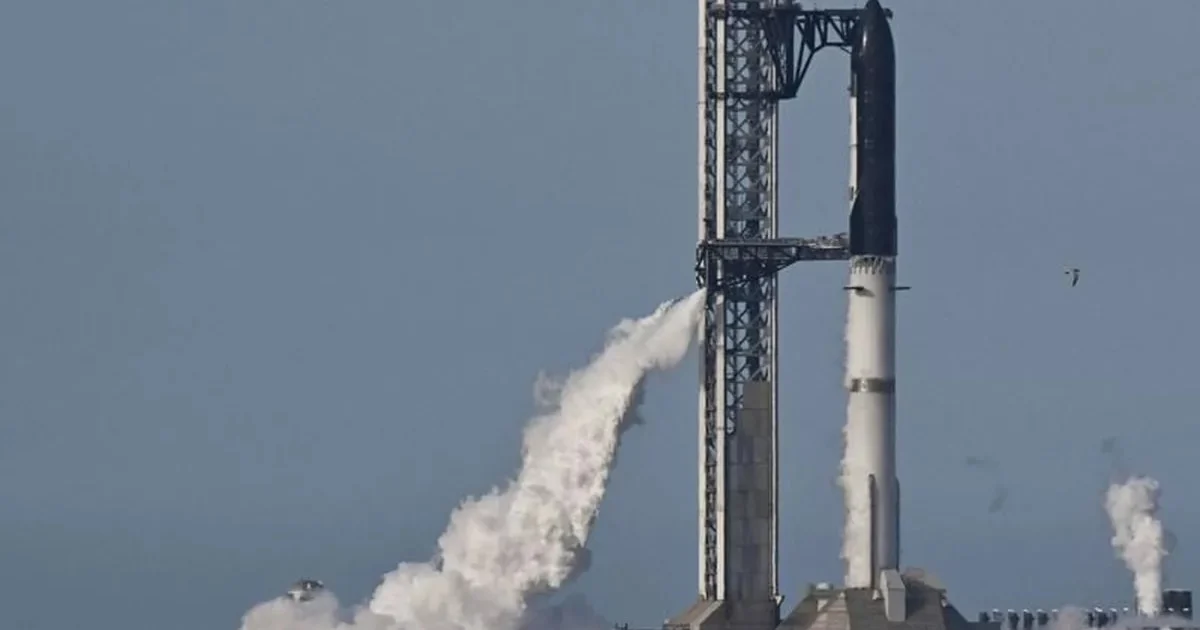
SpaceX’s Starship V3 mostly succeeds on first test flight
Starship V3 cleared its first flight with new Raptor 3 engines and Pad 2, but the real test remains whether SpaceX can turn a giant prototype into a reliable launcher.
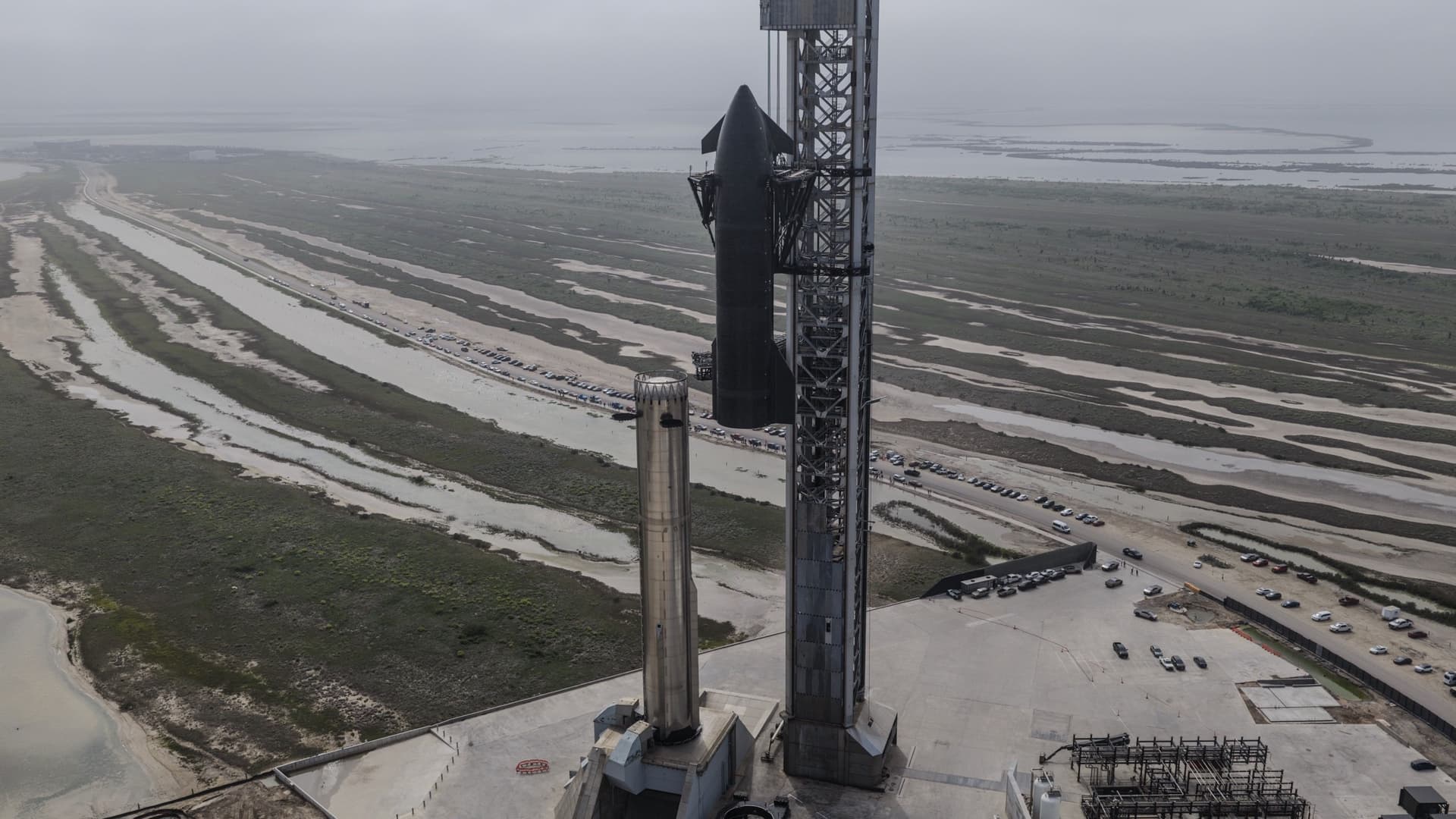
SpaceX’s newest Starship variant took a visible step forward on Friday, but not enough to end the debate over whether the rocket is becoming operational or merely growing more polished as a test vehicle. The company’s 12th Starship flight lifted off from Starbase, Texas, at 5:30 p.m. CT, and SpaceX said it was the first flight of the Starship and Super Heavy V3 vehicles, the first flight of the Raptor 3 engines, and the first launch from Pad 2.
The company framed Starship V3 as the third generation of Starship and Super Heavy, built around a new launch site and a revised booster design. SpaceX said Super Heavy V3 cuts the number of grid fins from four to three, with each fin 50 percent larger and stronger, a change aimed at helping control a far larger rocket as the system moves toward repeated use.
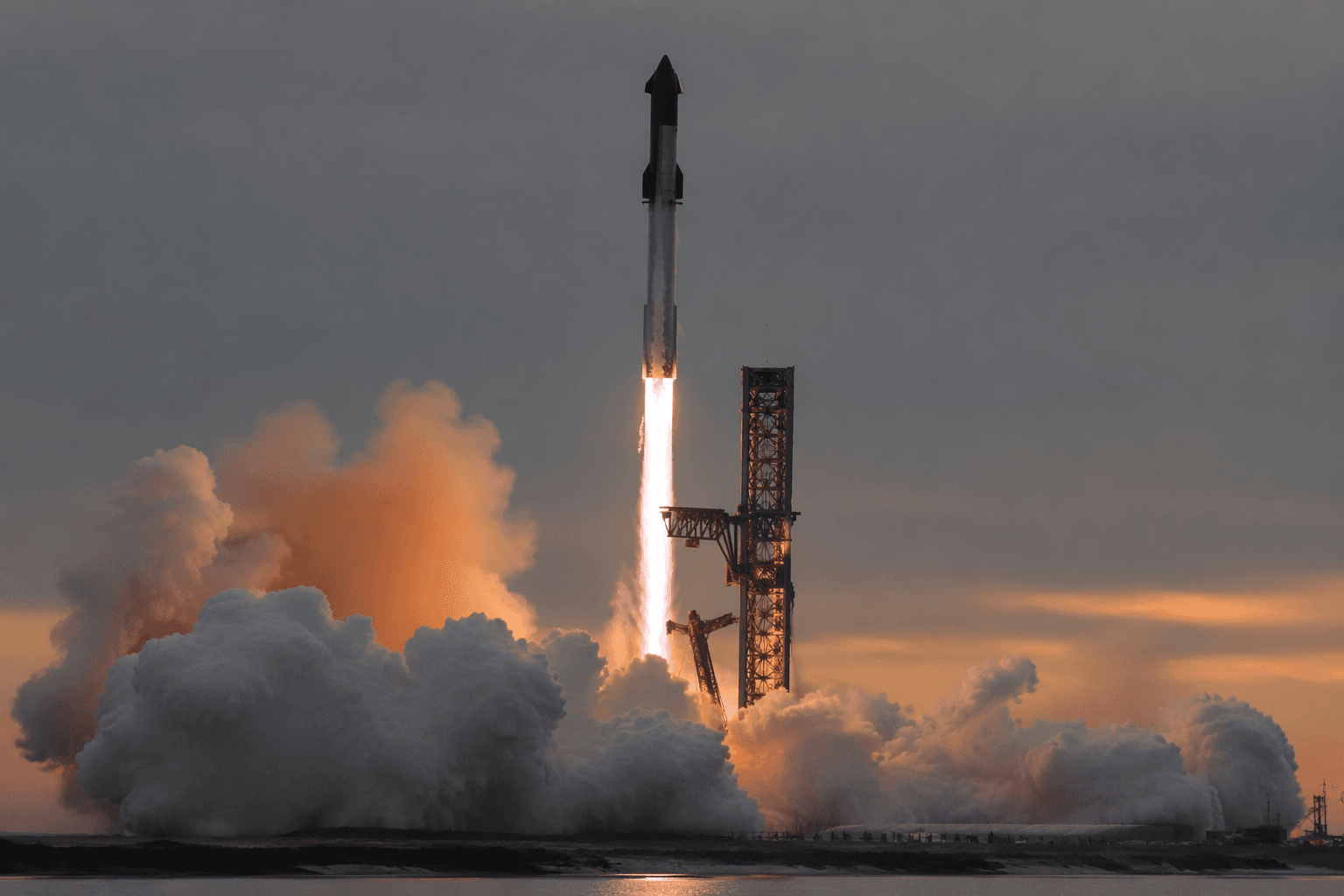
That is the kind of progress engineers can measure. The flight also marked the first time SpaceX deployed modified Starlink satellites to image Starship in space, another sign that the company is using each launch to prove out new hardware and new mission roles at once. On paper, the mission advanced several goals at the same time: a new vehicle family, new engines, a new pad and a new in-space satellite deployment.
Yet the word “mostly” still matters. Starship remains a system SpaceX says is designed for Earth orbit, the Moon, Mars and beyond, with the goal of carrying more than 100 metric tonnes to orbit in a fully reusable configuration. That promise is still ahead of the hardware. NASA says SpaceX must complete at least one uncrewed demonstration mission before Starship HLS can be used for Artemis III, and NASA’s Artemis III page still lists the crewed lunar mission as no earlier than 2027.
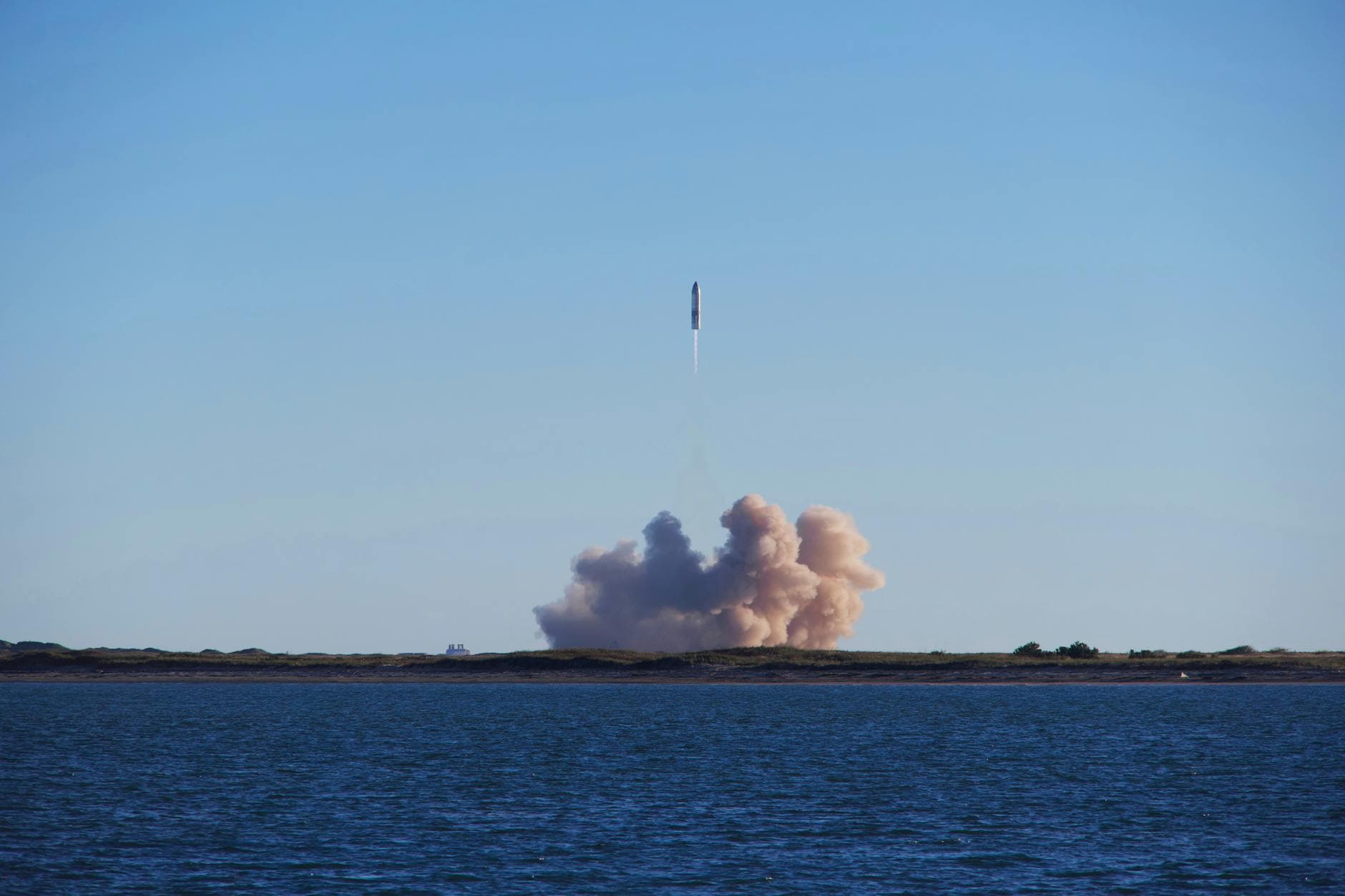
For NASA, the significance is not whether Starship can fly once, but whether it can become dependable enough to land astronauts near the Moon’s south pole on schedule. NASA called Starship’s March 14, 2024 integrated flight test an important milestone toward Artemis, and SpaceX’s May 27, 2025 Flight 9 included the first reflight of a Super Heavy booster in the Starship program. The May 22 flight extends that arc, but it does not close it.
For investors, the launch offered evidence that SpaceX is still pushing the world’s biggest rocket toward reuse, heavier payloads and a broader commercial case. For regulators, it was another reminder that Starship is still in the proving phase, with each flight expected to validate more systems before routine operations can be contemplated. The rocket’s first V3 flight was a real advance, but it is still the advance of an experimental machine, not yet a routine heavy-lift workhorse.
Know something we missed? Have a correction or additional information?
Submit a Tip