Spain blocks U.S. access to two bases, deepening rift with Trump administration
Spain says it will not permit U.S. forces to use two joint military bases as the U.S.-Israeli war in Iran escalates, raising risks for military logistics and local communities.
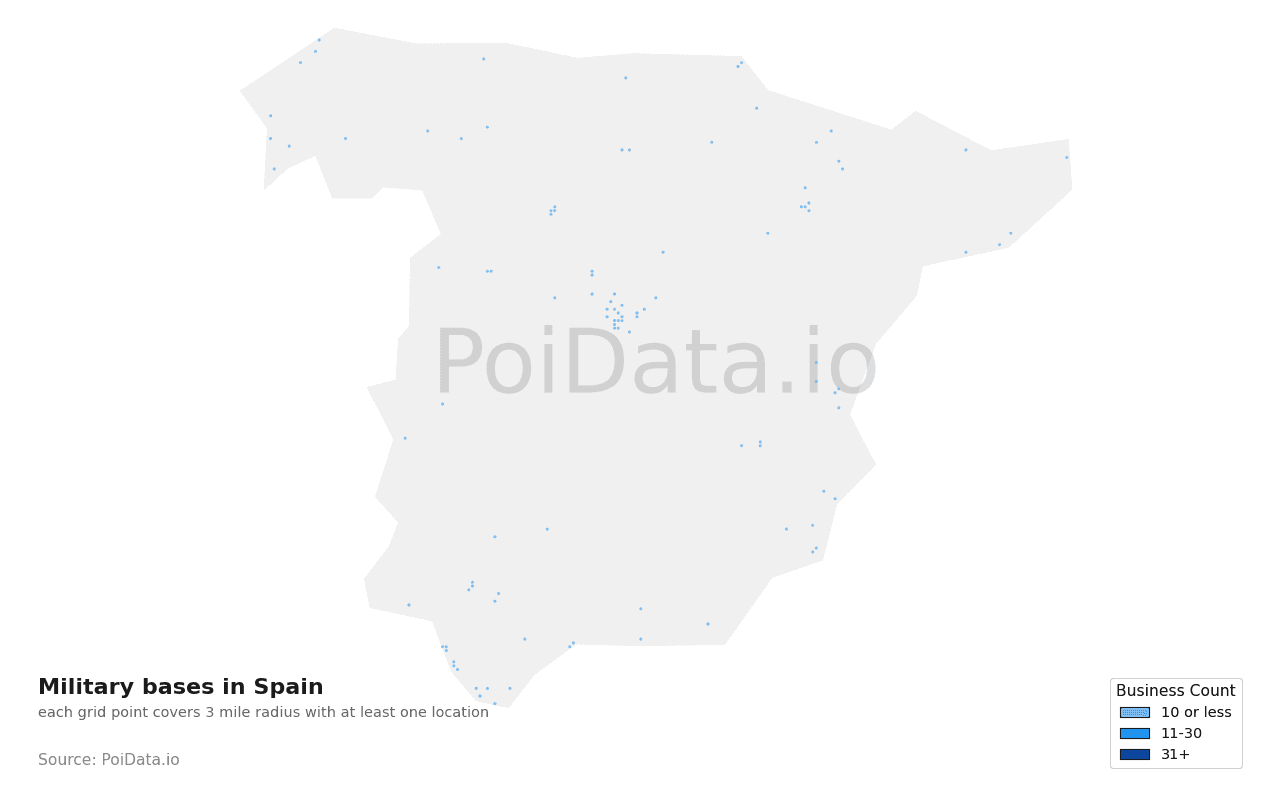
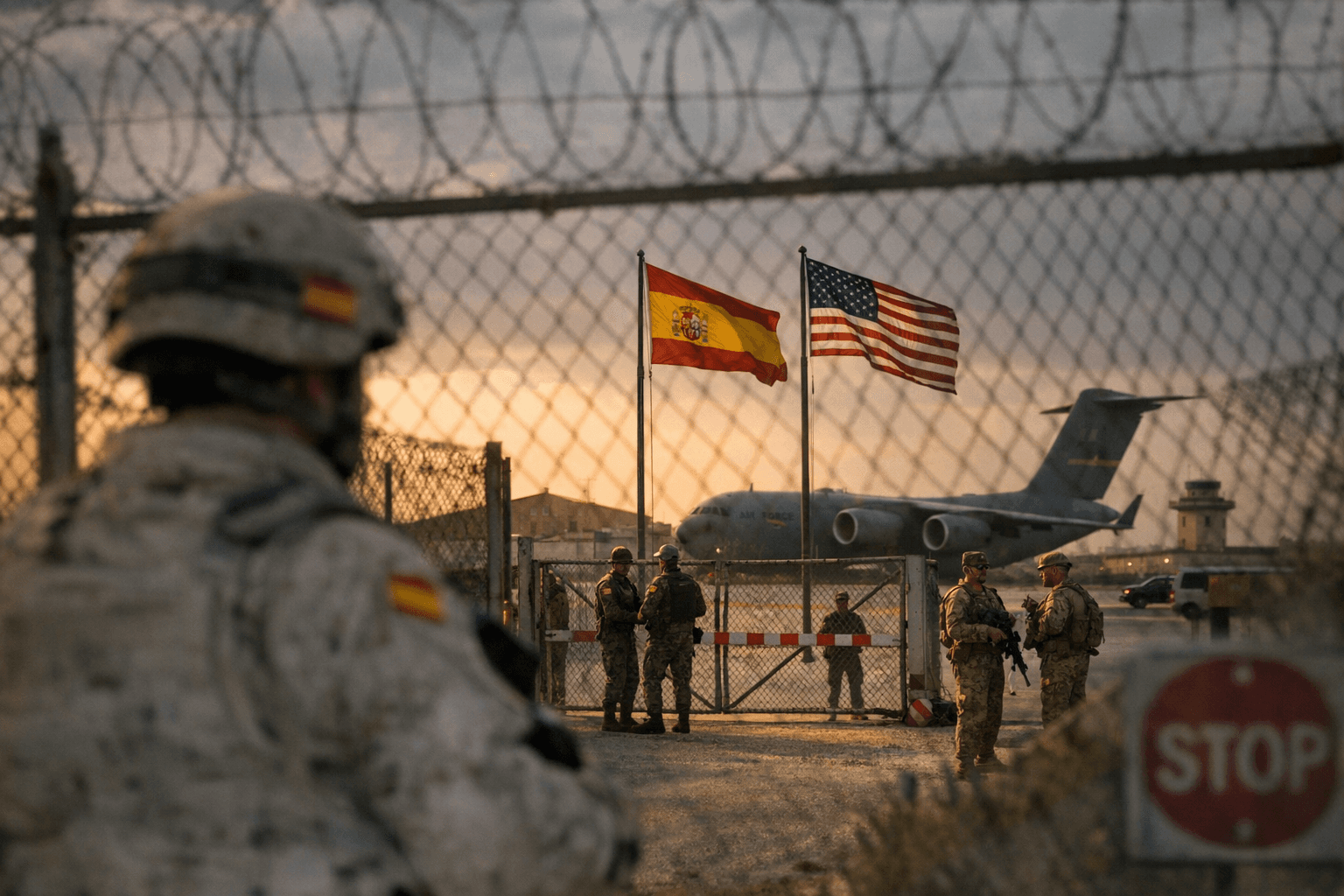
Spain reiterated that it will not permit U.S. forces to use two joint military bases on Spanish soil as the U.S.-Israeli war in Iran escalates, a decision that has widened a diplomatic rift with the Trump administration and created immediate operational and public health questions for both countries and host communities.
Spanish officials framed the move as a principled refusal to be a staging point in a widening regional conflict. For the Trump administration, which relies on a network of European hubs for logistics, surveillance and medical evacuation, blocked access complicates contingency planning in an already volatile theater. The dispute puts transatlantic military cooperation under strain at a moment when rapid medical response and secure supply routes are crucial to any large-scale contingency.
Operationally, denying access to established bases forces planners to reroute flights, sealift and casualty evacuation through alternative ports and airfields. That redistribution can lengthen transport times for wounded personnel, delay delivery of medical supplies and increase costs for rapid-response missions. Those shifts are not abstract: medical evacuation windows and the timely delivery of critical care supplies matter for survival in high-intensity conflict, and longer transit chains raise the risk of preventable harm.
The consequences ripple into Spanish towns that host joint facilities. Local economies often depend on base contracts, civilian employment linked to base services and the presence of military families who use health clinics, pharmacies and hospitals. Reduced U.S. activity can depress earnings for service workers, cleaners, drivers and small businesses, many of whose employees are lower income or migrants. Local health systems could lose reimbursements or shared resources tied to base operations even as they face new demands related to population movement, stress-related mental health needs and pandemic-era residual burdens.
Public health officials face practical choices. Municipal hospitals that already operate at tight capacity must plan for changes in patient mix and potential surges if regional instability triggers migration or if military medical roles are reallocated. Public health advocates in Spain and the United States are urging contingency planning that explicitly addresses continuity of healthcare access for affected civilians, including ensuring that workers who lose base-related employment do not also lose access to affordable care. Without targeted policy responses, the economic fallout could worsen health inequities in the most affected towns.
Politically, the standoff underscores growing friction between Madrid and Washington over the conduct of broader Middle East policy. The Trump administration views allied access as essential to operational reach; Spain’s refusal signals a willingness among some European partners to assert limits when popular sentiment or legal frameworks curb support for offensive action. That friction could force NATO and allied bodies to mediate logistical arrangements while also confronting the domestic implications of military decisions.
The immediate imperative is practical and local as well as diplomatic. Smooth, transparent planning for medical evacuation, supply rerouting, economic support and social services for base communities will determine whether this diplomatic rupture translates into avoidable harms for civilians and health systems. Absent swift negotiation, the fracture risks leaving frontline and secondary communities in Spain to shoulder economic and health burdens generated far beyond their borders.
Know something we missed? Have a correction or additional information?
Submit a Tip

