Spain held to shock 0-0 by debutant Cape Verde
Spain dominated with 734 passes but still drew 0-0 with debutant Cape Verde, where 40-year-old Vozinha and sharp organization turned a shock into a warning.
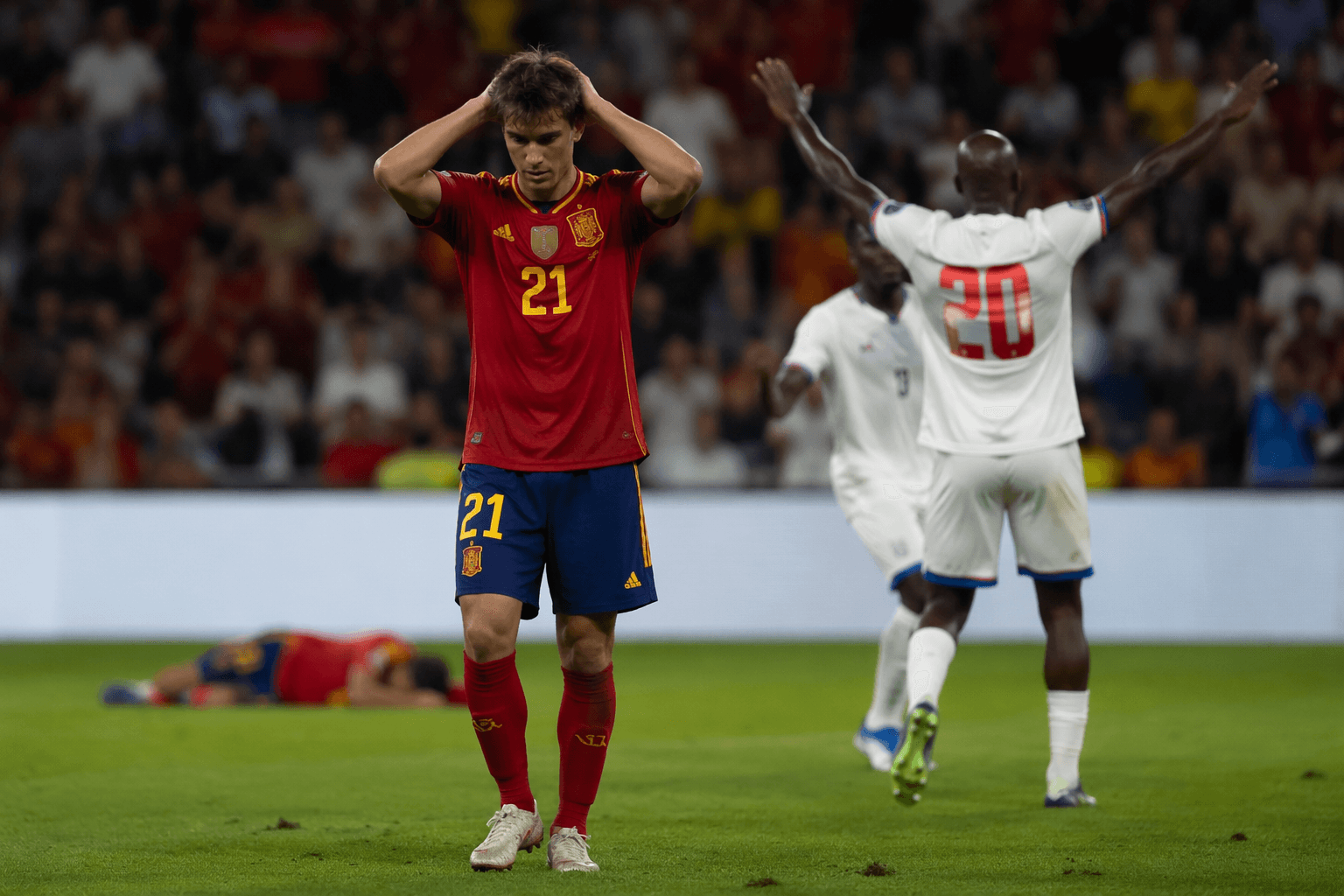
Spain’s World Cup opener became a hard lesson in how possession can flatter without hurting. Luis de la Fuente’s side finished with 734 passes and no goals in a 0-0 draw with debutant Cape Verde, a result FIFA described as a “sorpresa sísmica” and that left Spain looking frustrated against a team from a country of just over 500,000 people.
The clearest tactical takeaway for Spain is the one Guti underlined: control has to be paired with verticality. Spain moved the ball with authority, but too much of that circulation stayed in front of Cape Verde’s block until the game needed a sharper pass, a faster run or a more direct decision. ESPN said Lamine Yamal’s entrance changed the atmosphere in the stadium, which tells its own story about where the threat came from. Dunga’s focus on Yamal and Pedri also points in the same direction: Spain look dangerous when their most inventive players are allowed to accelerate the game, not merely arrange it.
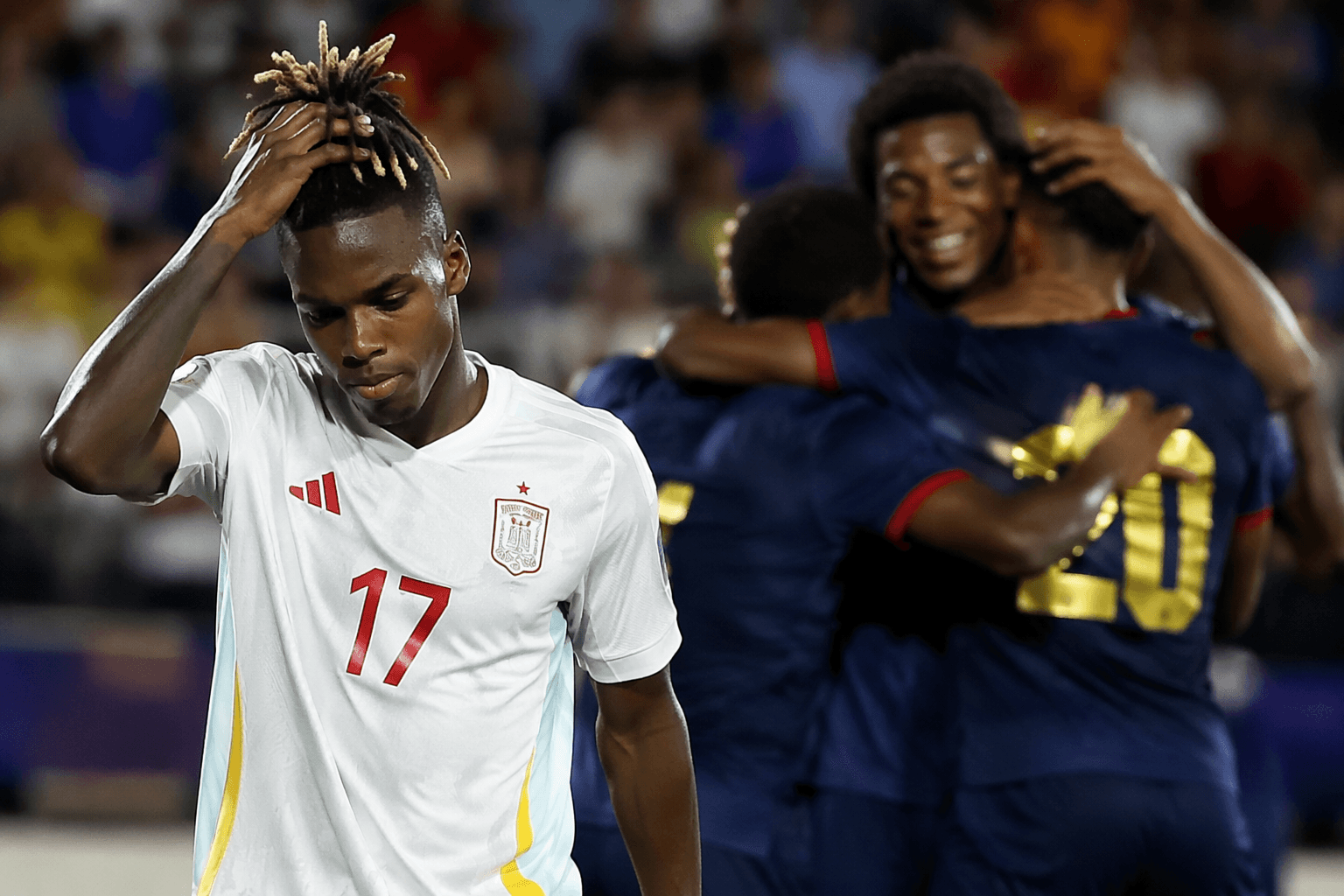
Cape Verde, meanwhile, earned more than a fortunate point. Dely Valdéz’s line that Cape Verde is not a surprise, but a reality, fits the evidence on the pitch: a compact structure, discipline in the spaces Spain wanted to attack, and a goalkeeper in Vozinha who refused to let the night drift away. At 40, he was the figure ESPN singled out as central to the historic result, and his performance gave Cape Verde credibility far beyond the symbolism of being a first-time World Cup side.
The numbers sharpen Spain’s concern. Since records began in 1966, the only team to complete more passes in a World Cup match without scoring was Spain itself, against Morocco in 2022, when it reached 926 passes in another 0-0. That is not just an odd statistic; it is a sign that Spain still need a cleaner final third, especially when opponents are organised enough to make the game narrow.
The broader day of draws reinforced the same tournament pattern. Belgium-Egypt, Saudi Arabia-Uruguay and Iran-New Zealand also finished level, and Carlos Salcido’s view that Iran looked better than Belgium highlighted a shift in how these games are being read. Structure, resistance and clarity are separating the sides that look truly dangerous from the ones still hiding flaws. Uruguay’s attacking stagnation sits on the warning side of that divide: 65.2 percent possession and 17 shots, according to ESPN, still left little sense of control that translated into real menace. Cape Verde, by contrast, looked like a team that already knows exactly how it wants to survive.
This article was produced by Prism’s automated news system from verified source data, official records, and press releases, then run through automated quality and moderation checks before publishing. The system is built and supervised by the people who set the standards it runs under. Read our full AI policy.
Know something we missed? Have a correction or additional information?
Submit a Tip