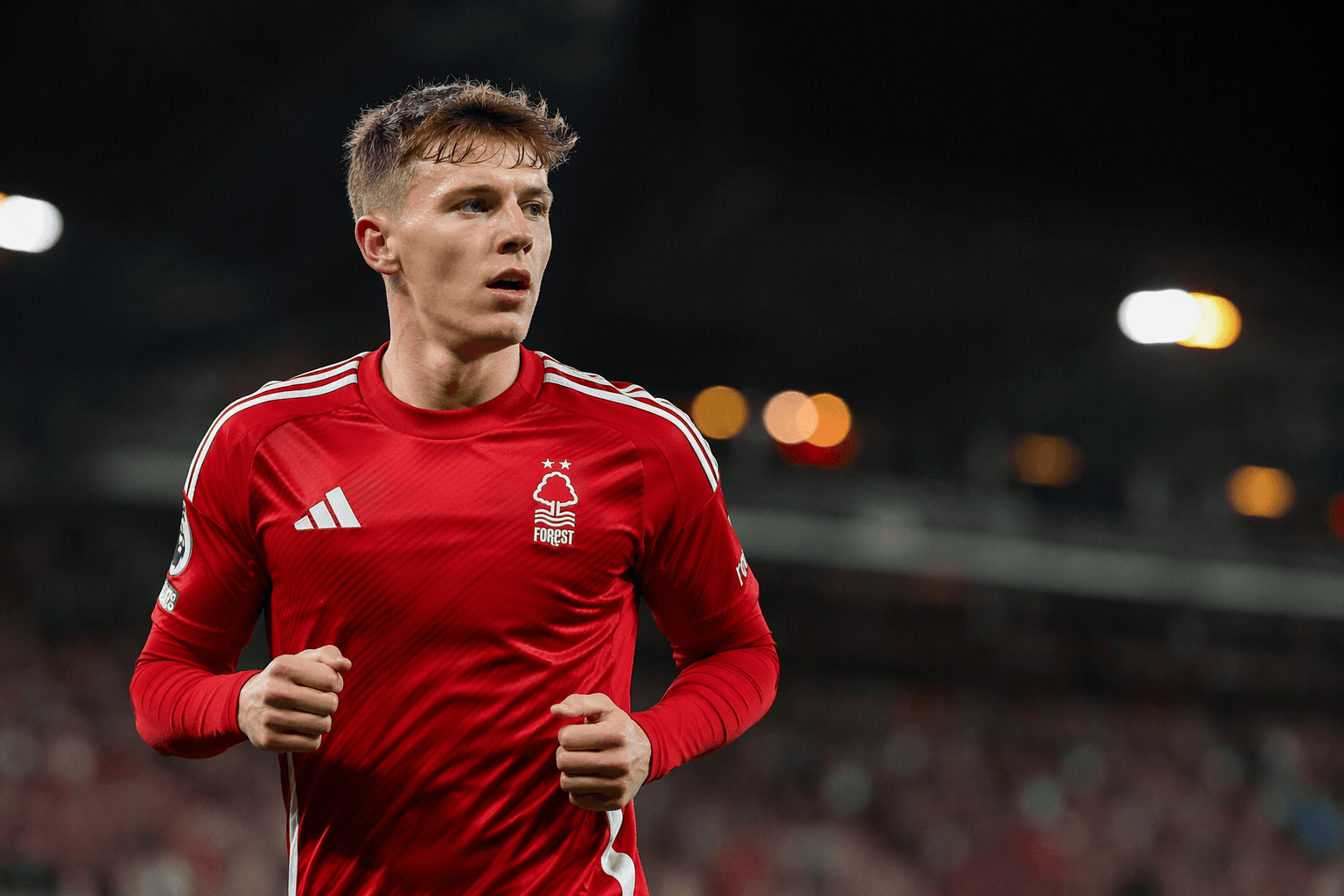
Spain leans on unity and role acceptance for World Cup 2026 push
Spain’s World Cup push rests on a united dressing room where stars accept roles, share pressure and keep the focus on the collective.
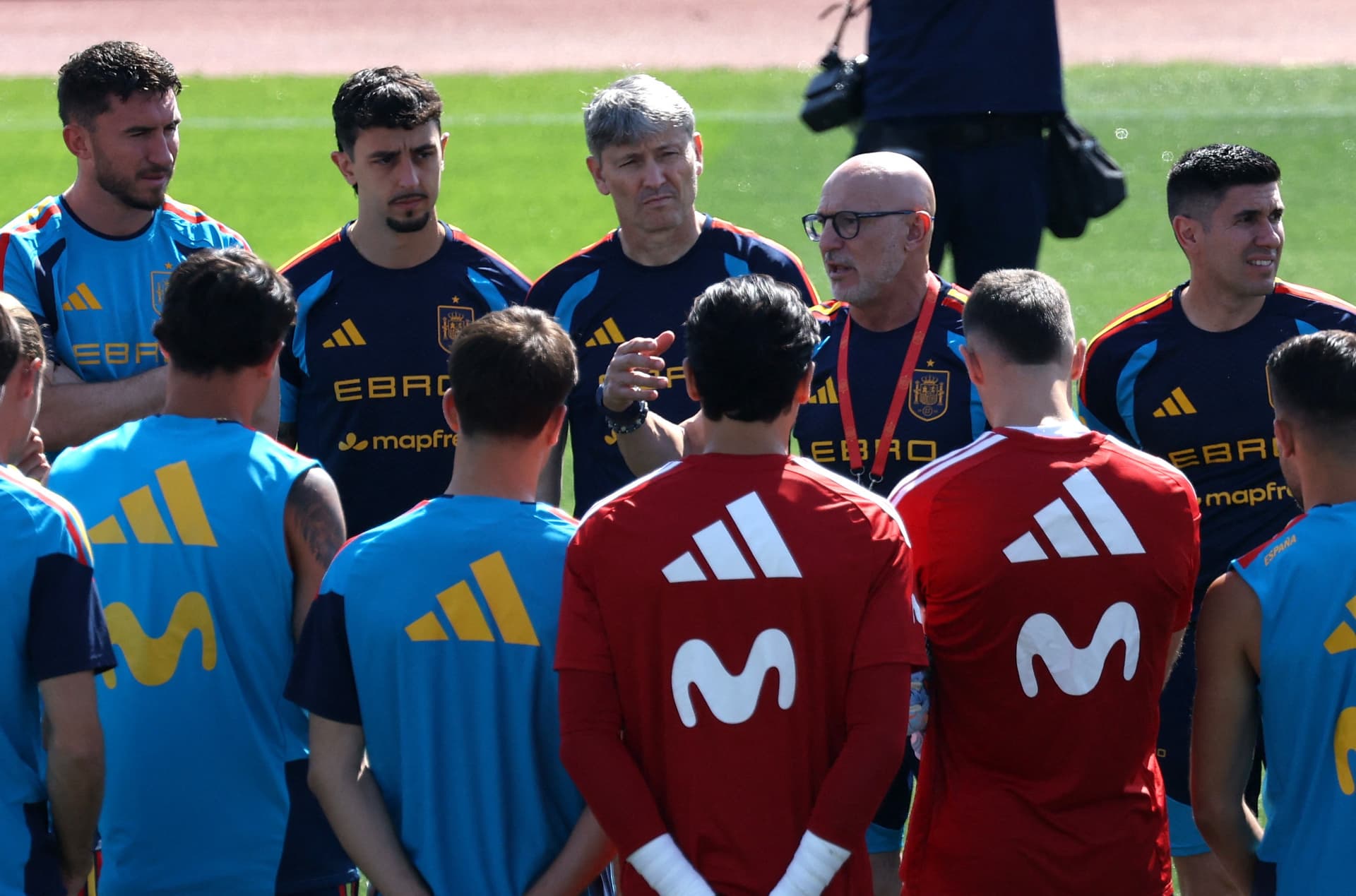
Spain’s route to the 2026 World Cup is being shaped less by individual brilliance than by a culture that prizes the group above any one name. Marc Cucurella, Mikel Merino and David Raya each describe a squad built on acceptance, humility and internal accountability, a formula that has already carried Spain through a run of major success under Luis de la Fuente.
A team-first identity with proven results
De la Fuente has led Spain since December 2022, and the results have given that message weight. Spain won the UEFA Nations League in 2023 and the Eurocopa in 2024 under his direction, establishing a record that makes the team’s current World Cup push feel like the next test of the same identity. The idea now is not simply to win more, but to show that a national team can sustain excellence when every player understands that role clarity matters as much as status.
That point matters in a tournament designed to punish ego. The World Cup runs from June 11 to July 19, 2026, across North America, and Spain’s group already reflects the demand for consistency: Cabo Verde, Saudi Arabia and Uruguay in Group H. Spain opened its campaign on June 15 in Atlanta against Cabo Verde, a first step in a competition where, as Cucurella put it, nobody wins easily.
Cucurella’s message: unity, gratitude and correction
Cucurella says he is living his first World Cup with great excitement and gratitude for the work that brought him there. His perspective is revealing because it is not framed around entitlement or certainty, but around belonging to a dressing room that is pulling together for a common purpose. He stressed that the squad is united and gets along well, a point that speaks to more than atmosphere: in a month-long tournament, harmony is part of the competitive infrastructure.
His comments also show how Spain wants to handle setbacks. Cucurella said what matters is identifying what went wrong and correcting it as a team, not splintering into blame. That is a practical leadership standard, not a slogan, and it helps explain why Spain has been so effective in recent cycles: the group is expected to solve problems together rather than wait for one player to rescue the situation.
That mindset also helps explain the importance of role acceptance. In a team built around collective responsibility, the full-back, the midfielder and the goalkeeper all carry different tasks, but none are treated as secondary. Spain’s depth is valuable because it allows the coaching staff to distribute responsibility without diluting standards.
Merino’s form shows what internal standards look like
If Cucurella speaks to culture, Merino speaks to performance discipline. He has been one of Spain’s key figures in qualification, scoring six goals in his last four matches and eight in his last eight appearances. He also played the full 90 minutes in each of the four qualifying matches in which he featured, a sign that his value goes beyond finishing and into endurance, trust and tactical reliability.
Merino’s own comments fit that profile. He called for calm, humility and optimism after any result, and said a bad match is not decisive in a tournament like this. He also insisted on self-criticism, even after wins, which is exactly the kind of internal standard that keeps a favored team from becoming complacent. In practical terms, it means Spain is trying to build a culture where success does not soften the demand for correction.
His recent production also reinforces the point. In Spain’s 0-3 victory over Bulgaria, Cucurella scored his first senior international goal and Merino added the second before halftime. The sequence is useful because it shows Spain’s attack is not dependent on a single striker or a single match-winner; contributions can come from different lines of the team, and the collective can still maintain control.
Depth is the competitive edge
Spain’s case for depth is strengthened by the variety of players producing decisive moments. Cucurella’s breakthrough goal against Bulgaria underlined how the squad can be dangerous from unexpected positions, while Merino’s scoring run shows a midfielder carrying real attacking weight in a side that is not asking one person to do everything. That distribution of responsibility is one of Spain’s clearest advantages heading into the knockout-heavy pressure of World Cup football.
It also matters because long tournaments expose teams that rely too heavily on individual rhythm. Spain’s structure is built to absorb fluctuations, and the comments from Cucurella and Merino suggest that the players understand that a poor result does not need to trigger panic. Instead, the emphasis is on adjustment, trust and the willingness to accept a different role when the match demands it.
Raya’s experience adds another layer of stability
David Raya brings a different kind of value to the same culture. The 32-year-old goalkeeper debuted for Spain on March 26, 2022, against Albania at the RCDE Stadium, and he now has 12 caps. He has already won both a European Championship and a Nations League with Spain, which places him inside the same winning cycle as the rest of the group.
That experience matters in a tournament setting because goalkeepers often carry the emotional temperature of a team. Raya’s place in the squad adds calm and familiarity to the broader leadership picture, especially in a side that is trying to treat every game as a collective exercise rather than a stage for individual rescue acts. When a team has already won major trophies together, the language of accountability becomes easier to sustain because it is backed by shared proof.
From training base to tournament stage
Spain’s official setup in the United States reflects the same attention to structure. The team is based in Chattanooga, with Baylor School serving as its training headquarters. That base matters not only for preparation, but also for the public face of the team: Spain’s connection with its supporters in the United States has become part of the tournament story, with the federation highlighting the bond between the squad and Spanish fans on American soil.
That support network can help, but the main competitive advantage still comes from inside the camp. Spain arrives as European champion, coached by De la Fuente, and carrying the habit of winning without losing the collective center. In a World Cup where margins are thin and pressure travels quickly, that shared identity may be as important as any individual performance.
Spain’s push is therefore not just about talent. It is about a dressing room that accepts hierarchy without resentment, depth without complacency and accountability without drama. If that balance holds, Spain has given itself the one thing every tournament team needs most: a way to keep the whole larger than the sum of its parts.
This article was produced by Prism’s automated news system from verified source data, official records, and press releases, then run through automated quality and moderation checks before publishing. The system is built and supervised by the people who set the standards it runs under. Read our full AI policy.
Did this article answer your question?
.jpg&w=1920&q=75)