Spain’s football dominance puts men’s and women’s World Cups together
Spain became the first nation to hold both World Cups at once, built on a pipeline that now feeds seniors and youth on both sides. Germany is the only other country to win both titles.
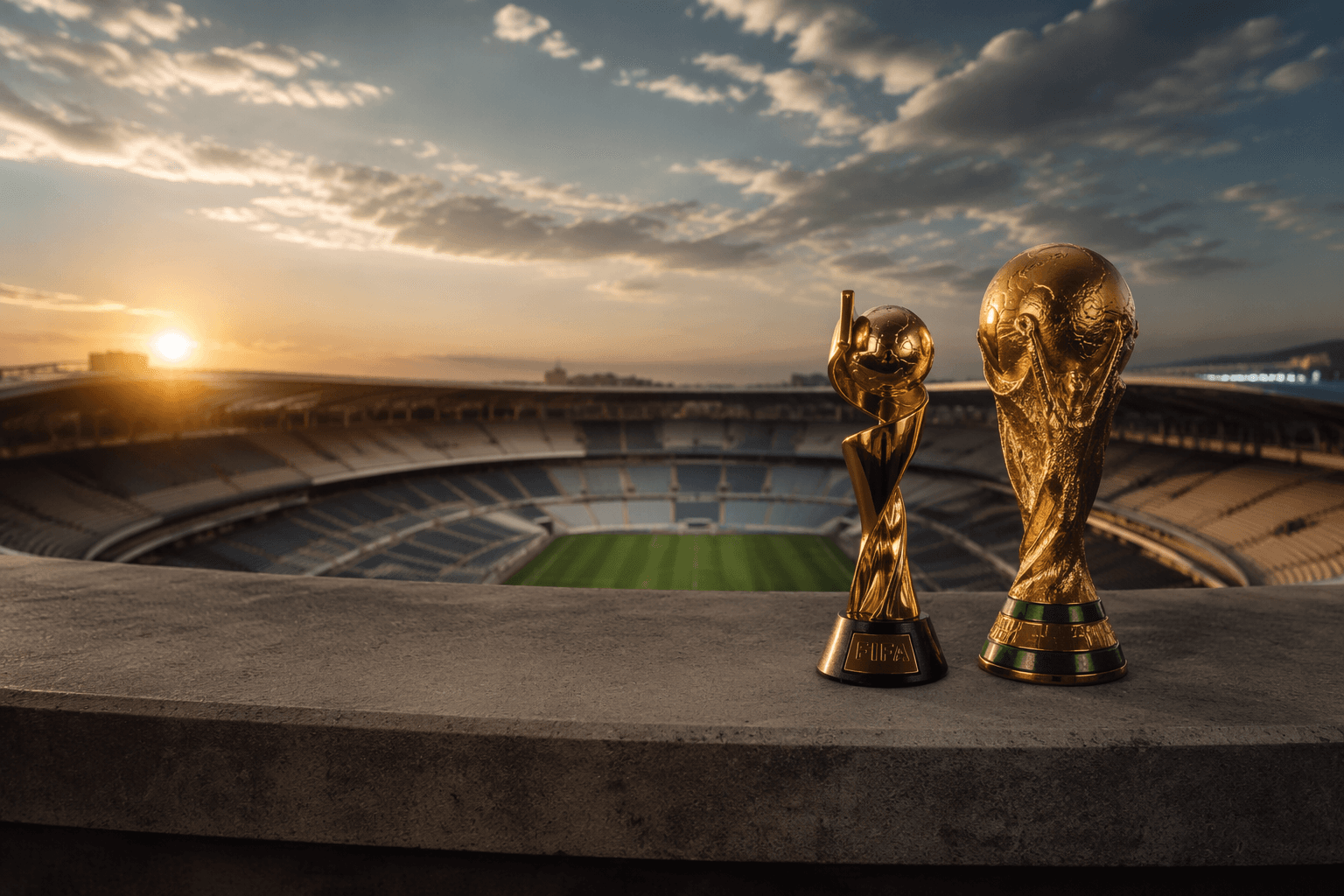
Spain’s grip on football is no longer about one golden team or one lucky tournament. It is the first nation to hold the men’s and women’s World Cup titles at the same time, after the men won the 2022 FIFA World Cup and the women beat England 1-0 in Sydney to take the 2023 crown. That made Spain only the second country, after Germany, to win both FIFA World Cups, and it put the country’s coaching and development structure under the microscope.
A rare double built across two World Cups
The women’s breakthrough came on 20 August 2023 in Sydney, Australia, when Olga Carmona scored the only goal of the final in the 29th minute. England’s best chance to answer came in the 69th minute, when Jenni Hermoso missed a penalty, and Spain held on for a first-ever Women’s World Cup title and their first final appearance in the tournament. The result also sat inside a longer arc of Spanish men’s pedigree, including the 2010 World Cup in Johannesburg, South Africa, and the 2022 men’s title that gave Spain its unique dual hold on the game’s biggest trophies.
The women’s run to the title was efficient as well as historic. Across six matches, Spain scored 17 goals, conceded 7, and kept 2 clean sheets, numbers that show a team able to control games while still surviving pressure in knockout football. In a final that ended 1-0, those margins mattered more than style points, and they helped make the team’s first world title look less like a surprise and more like the outcome of a system that had already been maturing for years.
The final was played against a backdrop of conflict, not consensus
The 2023 triumph did not arrive in a calm environment. It came amid major off-field turmoil and dispute within the women’s team and the Royal Spanish Football Federation, better known as the RFEF, including tension with coach Jorge Vilda and criticism of the federation itself. CNN described the win as coming against a backdrop of turmoil and dispute, and the political meaning of the result was impossible to ignore because players and commentators treated it as part of a wider fight for equality.
That matters because the story of dominance is not just about medals, but about who gets supported, heard, and financed inside the same national system. Spain’s women became world champions while the structure around them was being openly questioned, which makes the title a marker of resilience as much as sporting power. The fact that the victory emerged from a conflict over equality gives the trophy a broader social meaning than a clean, uncomplicated triumph ever could.
The real engine is a pipeline that keeps producing
Spain’s current era is bigger than the senior teams. BBC’s explanation of the country’s rise was blunt: “At all levels, Spain are dominating football right now.” That line fits the results, because the men won Euro 2024 after the women had already won the World Cup, and Spain’s youth sides have continued to deliver major trophies under the same federation structure.
The most concrete youth markers in that run are the men’s UEFA U19 European Championship titles in 2019 and 2024. Those wins matter because they show the country is not relying on one generation reaching its peak at the same time, but on a recurring flow of players who already know how to win in international tournaments before they reach the senior stage. One shorthand for the scale of the run is “sixteen titles in five years,” a frame that captures how Spain’s success has spread across the men’s, women’s, and age-group game instead of concentrating in one silo.
That breadth points back to the RFEF. The federation has been able to produce elite teams on parallel tracks, and the recent trophies suggest that its development ladder is feeding both senior national programs rather than treating the women’s game as an afterthought. Spain’s case is especially striking because the men’s and women’s teams have peaked in the same era, with Euro 2024 and the women’s 2023 World Cup sitting beside youth titles rather than replacing them.
What other national programs are likely to copy
The obvious lesson for other federations is that dominance is built before the senior team ever reaches a final. Spain’s example suggests that if youth teams keep winning, if coaching principles are shared across age groups, and if women’s football is given the same structural seriousness as the men’s side, senior success becomes repeatable rather than accidental. The RFEF’s current model has made that continuity visible through titles in 2019, 2022, 2023, 2024, and a wider stretch of wins that touches every level of the national setup.
The other lesson is that no modern football system can afford to treat equality as peripheral. Spain’s women won the world title while the federation faced criticism and the squad dealt with internal tension, which makes the achievement a reminder that talent alone does not explain success. The machinery matters, and in Spain that machinery now links coaching, youth development, and federation power into one of the sport’s most complete national programs.
This article was produced by Prism’s automated news system from verified source data, official records, and press releases, then run through automated quality and moderation checks before publishing. The system is built and supervised by the people who set the standards it runs under. Read our full AI policy.
Did this article answer your question?