Specialty grocer The Spanish Table closes amid eviction suit and unpaid rent
The Spanish Table temporarily closed after a landlord filed an eviction suit claiming nearly $25,000 owed for September-November; the dispute highlights cost pressures facing neighborhood grocers. A tentative reopening is expected Jan. 17 if matters are resolved.

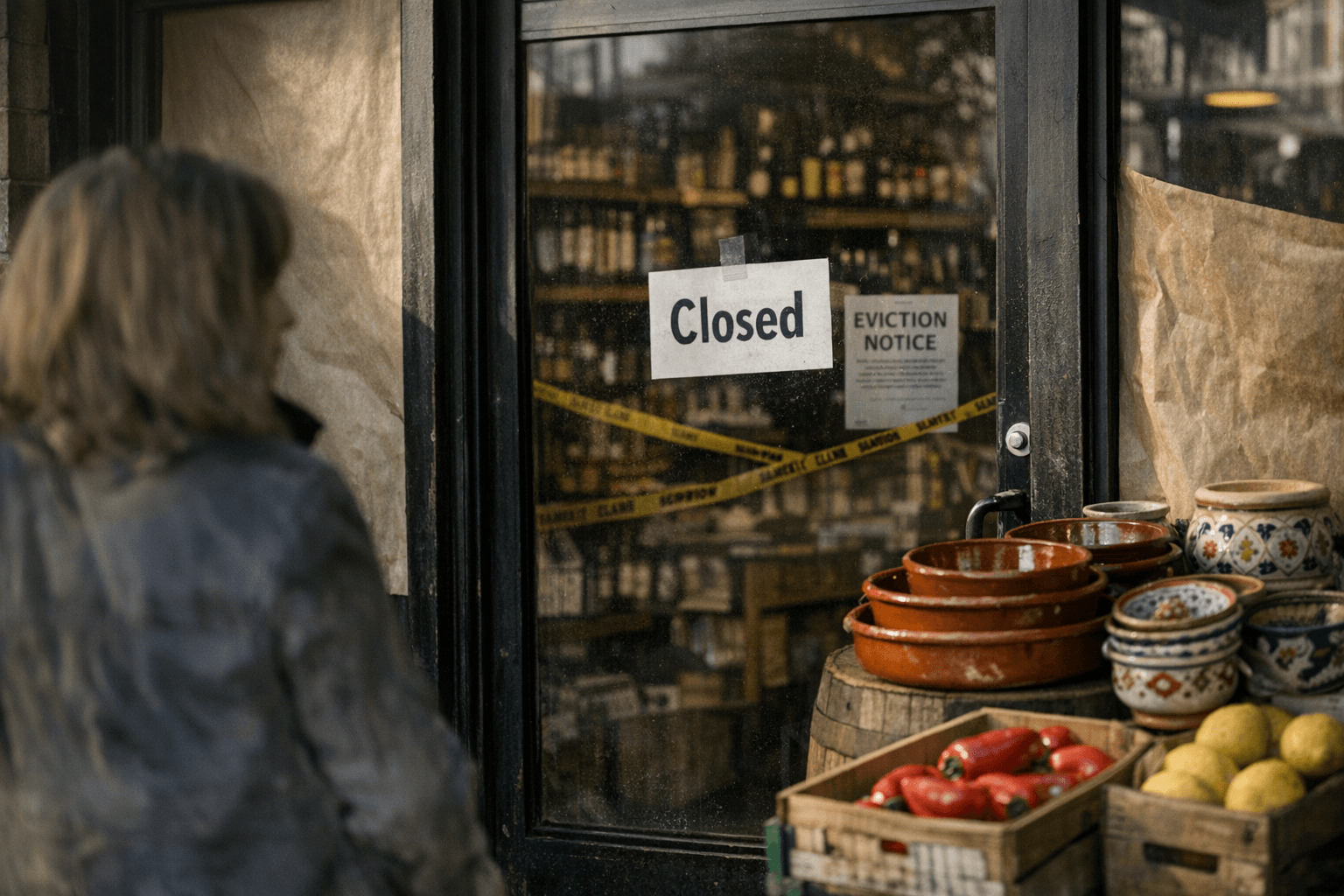
The Spanish Table, a San Francisco specialty grocery known for Spanish and Portuguese imports, temporarily closed this week after its landlord filed an eviction lawsuit alleging nearly $25,000 in unpaid rent for the period from September through November. The landlord issued a pay-or-quit notice and moved to enforce the lease in court, leaving the store shuttered while legal and financial questions are sorted.
Court filings allege roughly $25,000 in arrears over three months, which implies monthly rent obligations in the neighborhood of about $8,300. That back-rent figure provides a concrete window into the cost structure small grocers face here: missed payments over a short period can quickly trigger enforcement actions that interrupt trade and supply relationships. Store operators say they expect to tentatively reopen on Jan. 17 if the dispute is resolved and any required payments or arrangements are made.
The owner has a recent business history that includes prior closures of other locations, and the current dispute underscores broader economic stresses on independent retailers in San Francisco. Rising operating costs, from higher commercial rents to maintenance and labor expenses, have compressed margins for specialty grocers that sell lower-volume, higher-cost imported goods. Those pressures increase the frequency of tense landlord-tenant interactions and lead to short-term closures that disrupt both workers’ incomes and neighborhood access to niche foods.
Local shoppers who depend on The Spanish Table for Iberian staples will feel the immediate impact. Specialty supply chains are often thin and tied to specific stores; a temporary shutdown can break links with suppliers and make it harder for neighborhood restaurants and home cooks to source items quickly. Employees face uncertainty over work schedules and pay when a landlord-initiated closure occurs, and landlords face the costly process of litigation and re-leasing in a market where turnover can be high.
Policy choices and market structures shape how common these episodes will be. Without broad protections for commercial tenants, disputes typically resolve through negotiation, payment plans or litigation. For a city that prizes small food businesses as part of its cultural fabric, repeated closures of specialty retailers can reduce culinary diversity and make neighborhoods less resilient to economic shocks.
What comes next for The Spanish Table will hinge on whether the owner and landlord can reach an agreement before the tentative Jan. 17 reopening. The episode is a reminder to San Franciscans that even established neighborhood grocers remain vulnerable to short-term cash strains and rising fixed costs, and it may prompt renewed local conversations about how to keep specialty and independent food retailers viable in the city.
Sources:
Know something we missed? Have a correction or additional information?
Submit a Tip