Spending holds, but higher fuel costs reshape U.S. shopping habits
Higher gas costs are not stopping Americans from spending, but shoppers are quietly cutting trips, trading down and buying less of the extras.

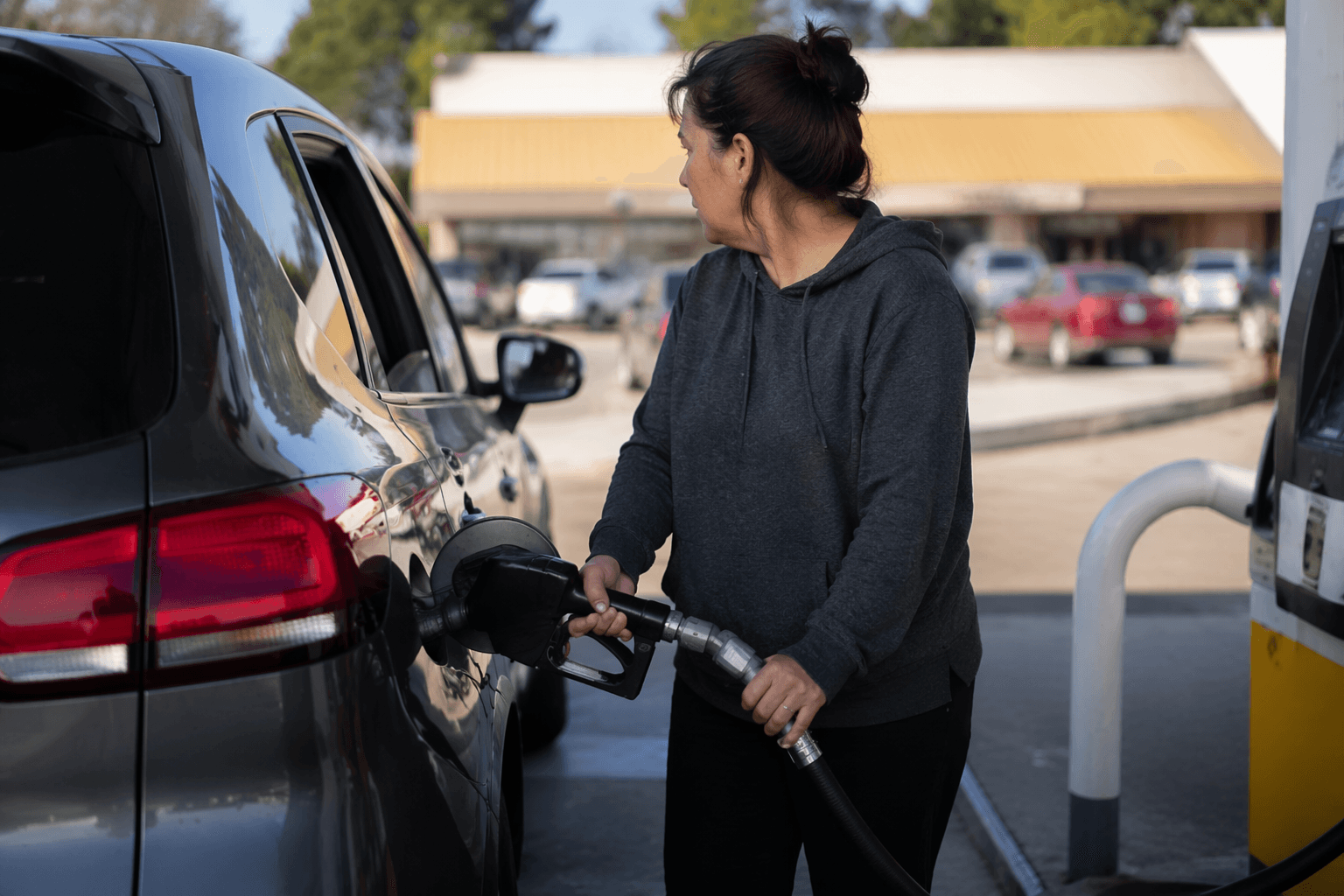
Higher fuel prices are reshaping U.S. shopping habits before headline spending data shows a broad pullback. At the national average regular-gas price of $4.191 on June 6, consumers are still spending, but retailers are seeing them become more selective about where they shop, how often they drive and which purchases they can delay.
The pressure is coming through the household budget in ways that go well beyond the pump. The Consumer Price Index for all urban consumers rose 0.6% in April and was up 3.8% from a year earlier, while energy prices climbed 3.8% in the month, accounting for more than 40% of the increase in the overall index. That matters because higher fuel costs lift transportation bills and can feed into food, clothing, insurance and other essentials.
Retailers are already noticing the behavior shift. Consumers are still buying gasoline, but they are changing how they buy it, trimming discretionary trips and making fewer visits to clothing and furniture stores. The strain is uneven across income groups: executives at companies such as Walmart, McDonald’s and Dollar General are still seeing resilience overall, yet lower-income households are pulling back more sharply. That split leaves the retail economy supported at the top and more fragile at the bottom.
The spending data still look firm on the surface. The Bureau of Economic Analysis said consumer spending rose 0.5% in April after a 1.0% increase in March, a sign that demand has not broken. McDonald’s said first-quarter global comparable sales rose 3.8%, while systemwide sales climbed 11% to more than $34 billion. Dollar General reported first-quarter fiscal 2026 net income of $444.1 million, up 13.3% from a year earlier, even as it said higher fuel costs were pressuring some shoppers. Value-oriented chains continue to draw traffic from budget-conscious consumers who are trading down rather than stopping spending altogether.
Tax refunds have helped cushion the blow so far, giving households a temporary lift just as gasoline costs climbed. Analysts worry that support will not last forever. If fuel stays elevated, more consumers are likely to retrench, shifting spending toward basics, delaying nonessential purchases and favoring discount channels. For retailers, that can keep sales totals afloat while squeezing margins and changing the mix of what Americans buy.
This article was produced by Prism’s automated news system from verified source data, official records, and press releases, then run through automated quality and moderation checks before publishing. The system is built and supervised by the people who set the standards it runs under. Read our full AI policy.
Know something we missed? Have a correction or additional information?
Submit a Tip