Spotify Lowers Monetization Barriers for Video Podcasters, Opens LA Studio
Spotify unveiled a creator-focused package that slashes eligibility thresholds for video-podcast monetization, launches a publishing API to bring third-party-hosted video shows onto its platform, and opened a new Sycamore Studios facility in Los Angeles. The moves accelerate Spotify’s push into video and creator commerce, expanding access for small creators while intensifying competition with incumbent video platforms.
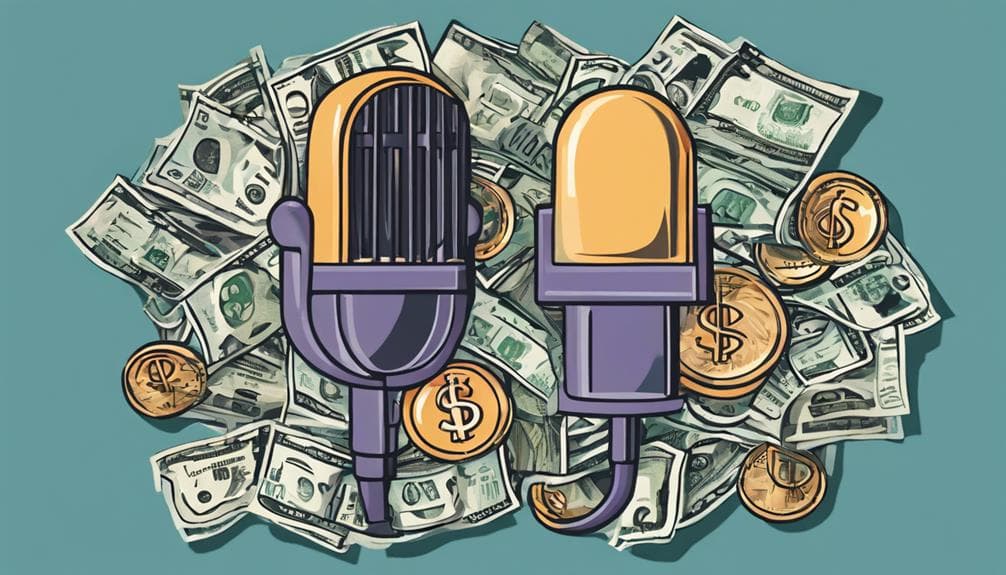
Spotify on January 7 announced a suite of initiatives aimed at lowering the costs and complexity of turning podcasts into revenue-generating video content. The company said it has reduced the minimum requirements to join its Partner Program to three episodes, 2,000 consumption hours, and an engaged audience of 1,000 over the last 30 days, positioning monetization as more accessible to early-stage creators.
Alongside the threshold changes, Spotify launched a publishing API intended to let podcasters use their existing hosting and publishing tools to deliver and monetize video episodes on Spotify. Industry hosting platforms already integrated at launch include Acast, Audioboom, Libsyn, Omny, and Podigee, enabling shows to syndicate video without rebuilding workflows. Spotify framed the API as part of a broader video strategy designed to attract creators who today split attention across multiple platforms.
Spotify also said it would roll out new sponsorship-management tools that allow creators to schedule, update, and measure sponsor spots embedded in host-read video ads. Those features will appear in the Spotify for Creators app and in Megaphone, Spotify’s podcast hosting and monetization suite, beginning in April. The aim is to give creators more control over sponsorship inventory and measurement, and to make host-read video ads a smoother product for both sellers and buyers.
The company capped the announcement with a real-estate investment: the opening of Spotify Sycamore Studios in Los Angeles, described by Spotify as located in one of the city’s most vibrant creative corridors. Sycamore joins Spotify’s existing studios in Los Angeles’s Arts District, New York, Stockholm, and London, extending the company’s physical footprint where producers, talent, and brands increasingly converge.
Taken together, the product and studio moves signal a deliberate push by Spotify to accelerate its transformation from an audio-first streaming service into a broader creator economy platform. Lowering entry requirements will likely expand the supply of monetizable inventory, making the platform more attractive to advertisers seeking studio-produced, host-driven video content. The publishing API, by reducing friction with third-party hosts, addresses a longstanding barrier for creators who guard their distribution pipelines.

The strategy has cultural and social implications. Easier monetization thresholds could democratize access, allowing niche and underrepresented creators to convert audiences into income sooner and diversify the voices that can sustain production. The Los Angeles studio expansion cements Spotify’s investment in entertainment ecosystems where podcasts intersect with film, television, and influencer culture, reinforcing podcasts as mainstream content rather than peripheral audio artifacts.
However, gaps remain. Spotify has not clarified the time window for the consumption-hours metric beyond the published numbers, nor has it disclosed revenue-sharing terms or technical specifics of the API. How advertisers will measure host-read video inventory and how creators will reconcile cross-platform audiences are practical questions that will determine whether the policy changes translate into sustained financial opportunity.
For creators and industry observers, the near-term metrics to watch are adoption of the new Partner Program thresholds, uptake of the API among hosting platforms and podcasters, and how sponsorship tools alter sales cycles ahead of the April rollout. Spotify’s moves mark an aggressive bet on video and creator monetization that will reverberate across media buyers, talent managers, and the next generation of digital storytellers.
This article was produced by Prism’s automated news system from verified source data, official records, and press releases, then run through automated quality and moderation checks before publishing. The system is built and supervised by the people who set the standards it runs under. Read our full AI policy.
Did this article answer your question?