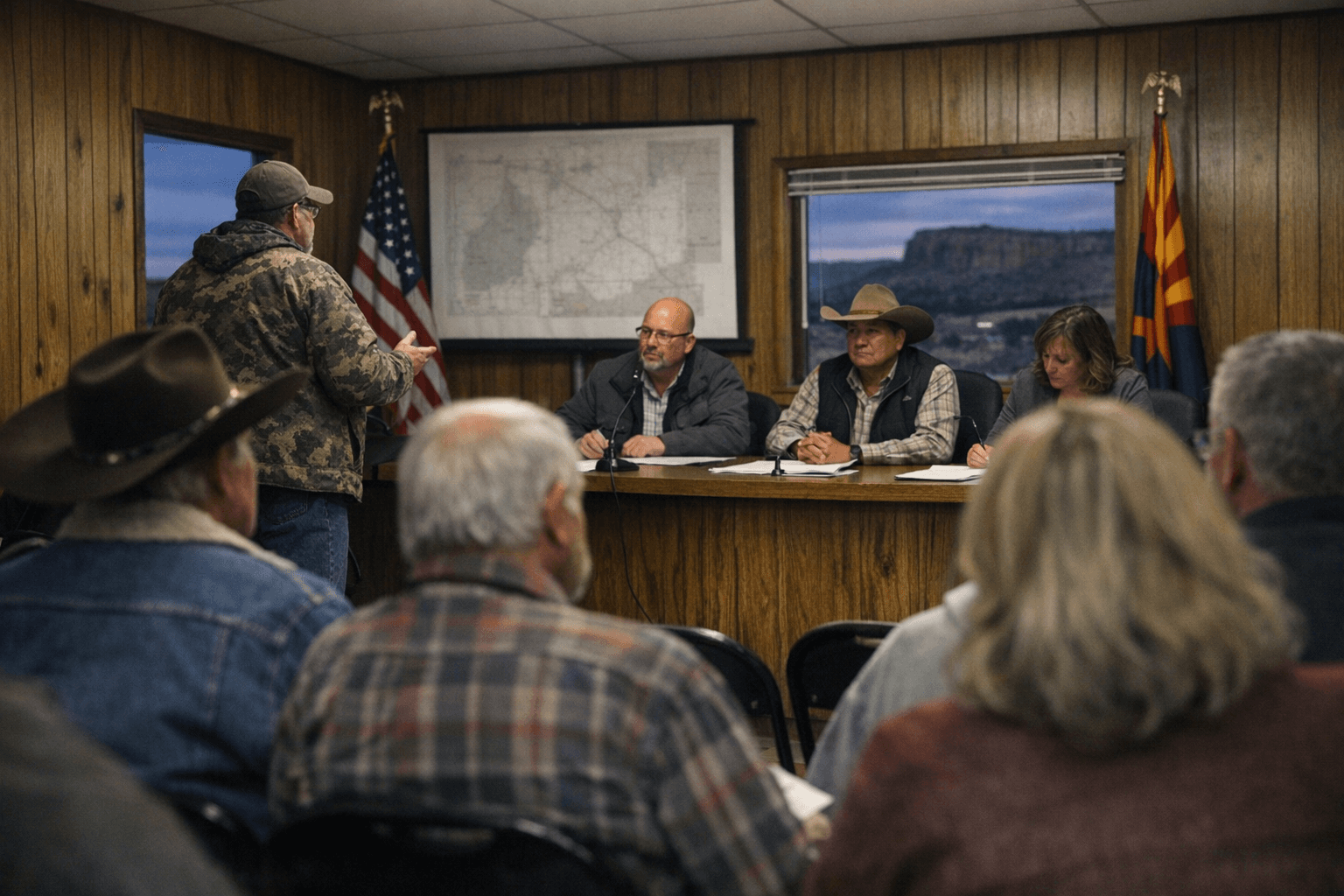
St. Michaels Hearing on Title 26 Sparks Heated Debate Over Chapter Authority
St. Michaels hearing on Title 26 drew more than six hours of public comment, exposing sharp splits over whether proposed revisions would clarify chapter roles or centralize authority and weaken local control.
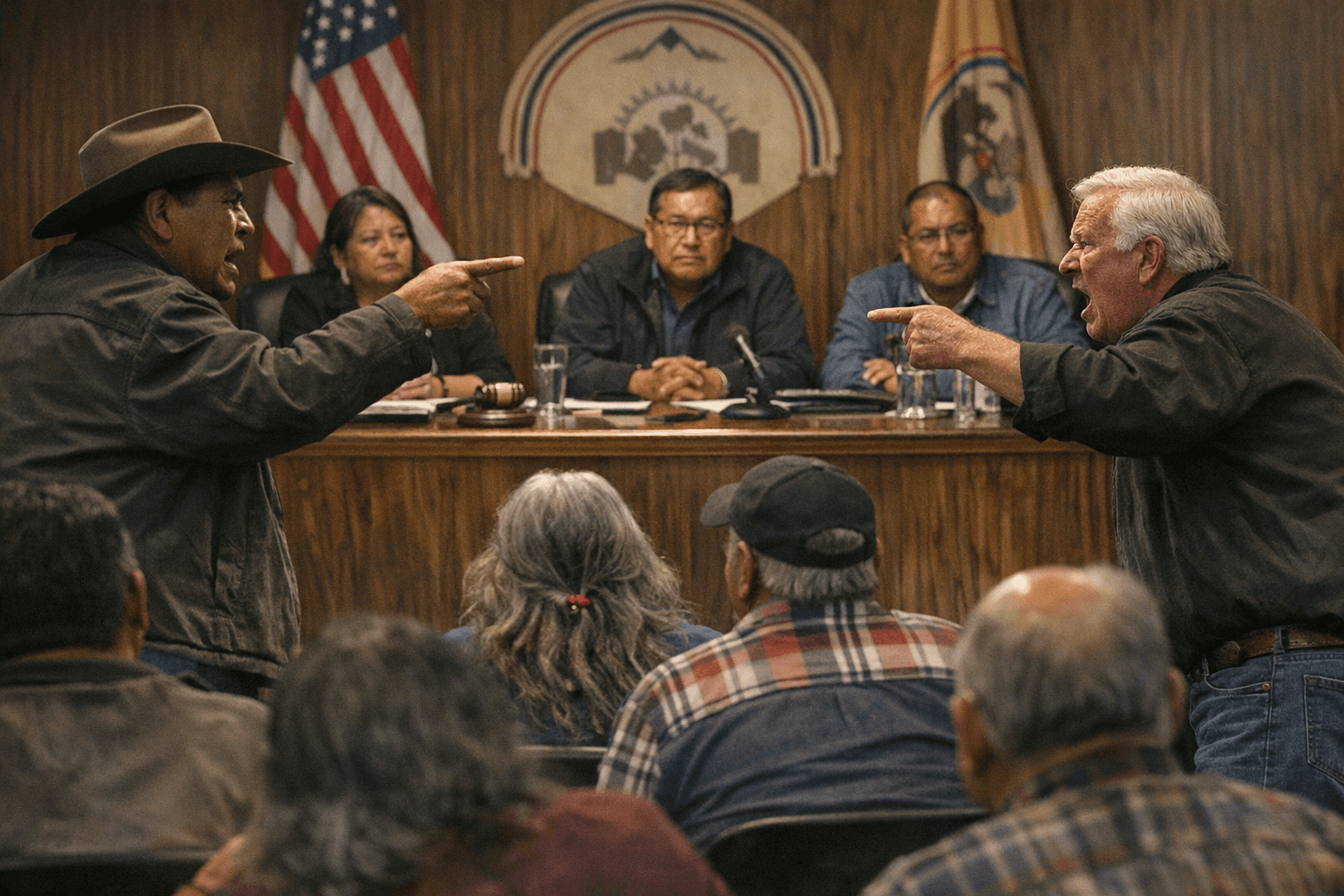
A packed St. Michaels Chapter house hosted a contentious public hearing on January 15 as the Resources and Development Committee gathered more than six hours of testimony on proposed revisions to Title 26 of the Navajo Nation Code. Residents, chapter officials and former leaders turned out in substantial numbers, turning the session into a focal point for local frustrations about governance, service delivery and federal land control.
The hearing opened with a steady stream of speakers describing a system many say is failing to meet community needs. Testimony ranged from calls for clearer operational rules and administrative fixes to warnings that the draft language would transfer decision-making upward, limiting authority at the chapter level. The debate split largely along interpretations of intent: some attendees urged clarifications that would help chapter administrators manage budgets, contracts and programs more effectively, while others argued the same changes would centralize power at the regional or central-government level.
Former 24th Navajo Nation Council Delegate Daniel Tso warned the proposal could weaken local governance and amount to “regionalizing the chapters.” That warning echoed through testimony from residents who said chapters are on the front lines of service delivery in Apache County and that any erosion of chapter authority would directly affect everyday access to resources and local responsiveness.
The hearing also highlighted tensions tied to federal land control. Several speakers linked questions of jurisdiction and authority to long-standing issues around land management, permitting and infrastructure projects on trust or federal lands in and around chapter communities. Those concerns underscored how statutory language in Title 26 could have practical consequences for project timelines, local contracting and the capacity of chapter governments to address needs such as roads, water and housing.
Institutionally, the Resources and Development Committee now holds a record of the community’s divisions. The committee’s role in moving legislation forward places it at the center of the next phase: reconciling competing priorities between strengthening chapter operations and preserving local decision-making. For Apache County residents, the stakes are procedural as well as political. Changes to Title 26 could reshape how chapters run elections, allocate funds and coordinate with regional and central offices, altering patterns of civic engagement and the leverage voters have over local officials.
The hearing demonstrated a high level of civic mobilization: lengthy testimony, large turnout and sustained questioning of both the substance of the draft and the process by which revisions were developed. The Resources and Development Committee must now weigh that testimony as it continues its review, balancing administrative clarity against protections for local autonomy.
For readers, the outcome will matter in practical ways: how chapter houses operate, how quickly projects move from plan to construction, and how residents make their voices heard. Those who want to influence the process should track committee actions, follow chapter meetings and engage with elected chapter officials as deliberations proceed.
Sources:
Know something we missed? Have a correction or additional information?
Submit a Tip