Stacey Oliver and Natasha Verma Debate Quiet Luxury Versus Maximalism on Fox5NY
Natasha Verma recently featured stylist Stacey Oliver on Fox5NY to untangle quiet luxury and maximalism as designers from Marni to Prada nudge volume back onto runways.
On Fox5NY, Emmy-winning anchor Natasha Verma recently featured stylist Stacey Oliver to discuss the shift between quiet luxury and maximalism, a conversation that lands as industry voices point to runway signals and generational change. The segment aired recently as part of ongoing conversations about wardrobe direction and taste.
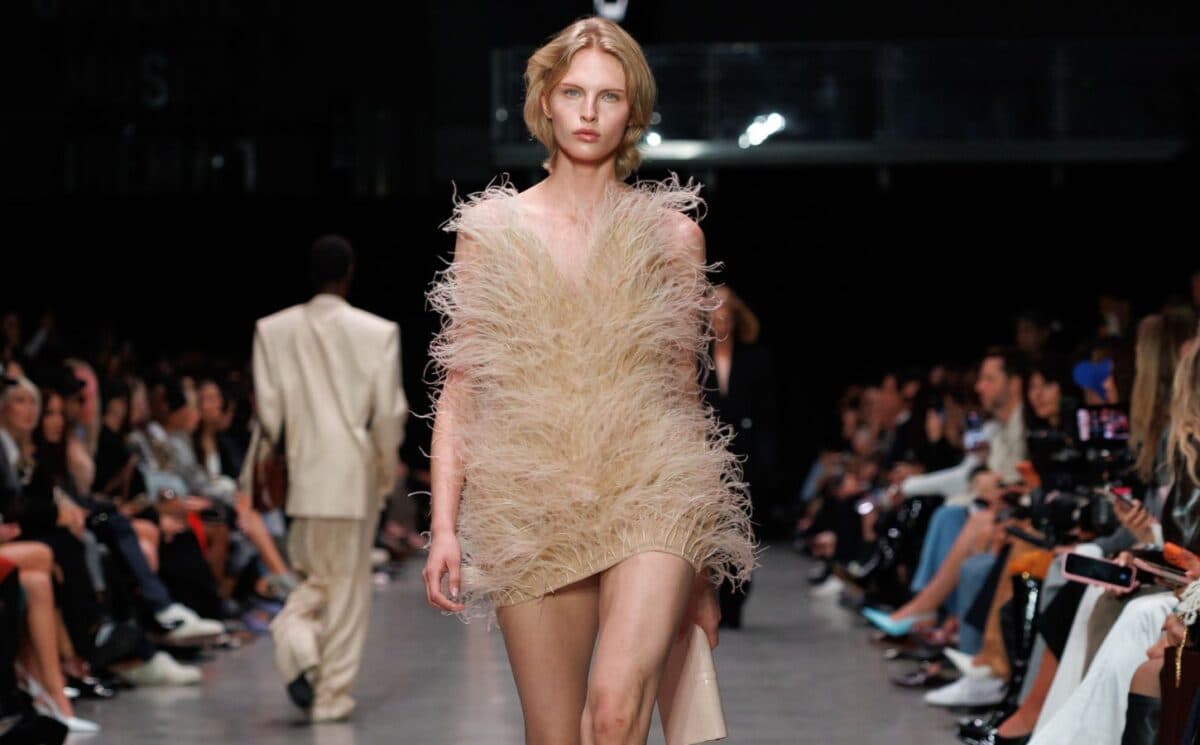
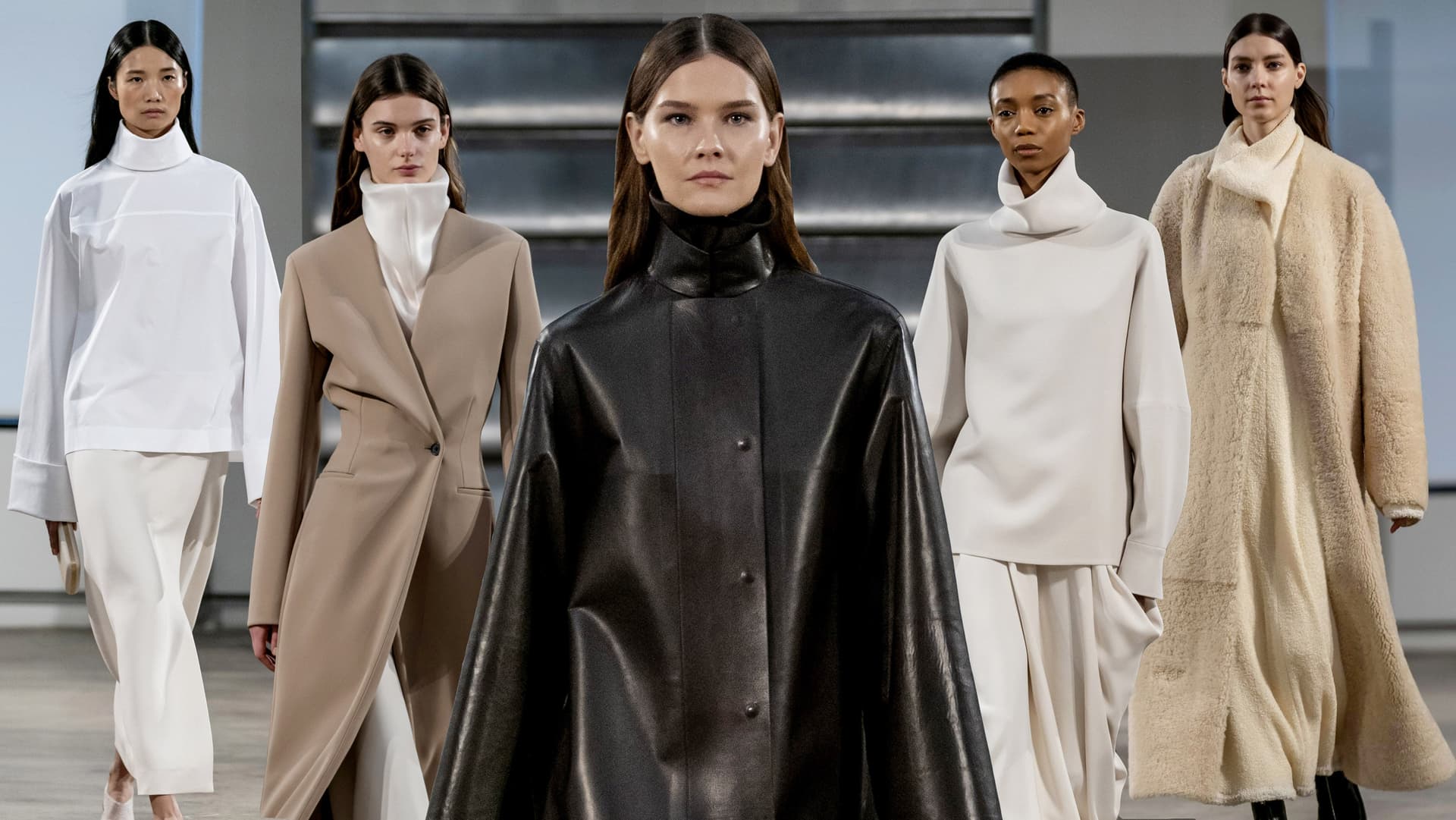
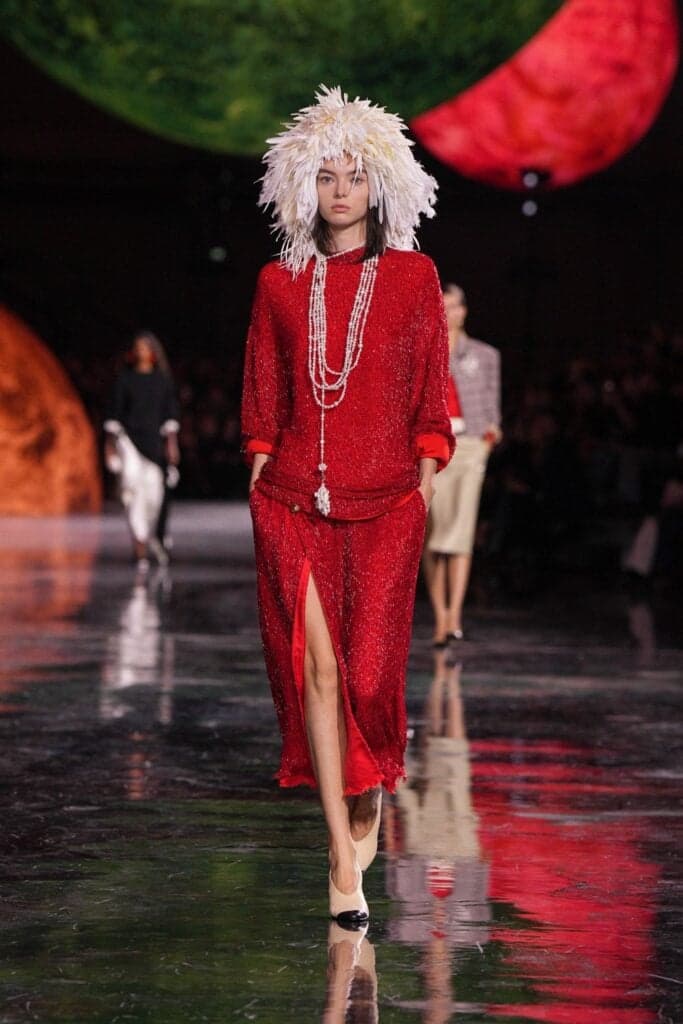
Runway momentum is visible. Forbes documents maximalist gestures from Marni, Fendi and Prada and cites comically shaped silhouettes and volume on the catwalk; Schiaparelli creative director Daniel Roseberry asked at his Paris Haute Couture show, “I’m so tired of everyone constantly equating modernity with simplicity. Can’t the new also be worked, be baroque, be extravagant?” Meanwhile, WWD’s backstage image from Marc Jacobs Spring 2025 RTW, credited to Kelly Taub/WWD via Getty Images, underscores designers’ appetite for theatricality heading into 2025 shows.
The data paint a partial picture of quiet luxury’s decline. Forbes reports Google Trends search-term data showing “quiet luxury” peaked in June of 2023 and that February of this year acquired 44% of search volume compared to that peak, signaling waning mainstream interest even as high fashion experiments with louder gestures.
Generational pressure is a clear accelerant. Istituto Marangoni, in a July 30, 2025 post, declares “Gen Z is making maximalism the future of fashion in 2026,” arguing that Gen Z “doesn’t dress to look rich; they dress to look more” and that rising cultural capital and spending power position younger shoppers as trendsetters for 2026.
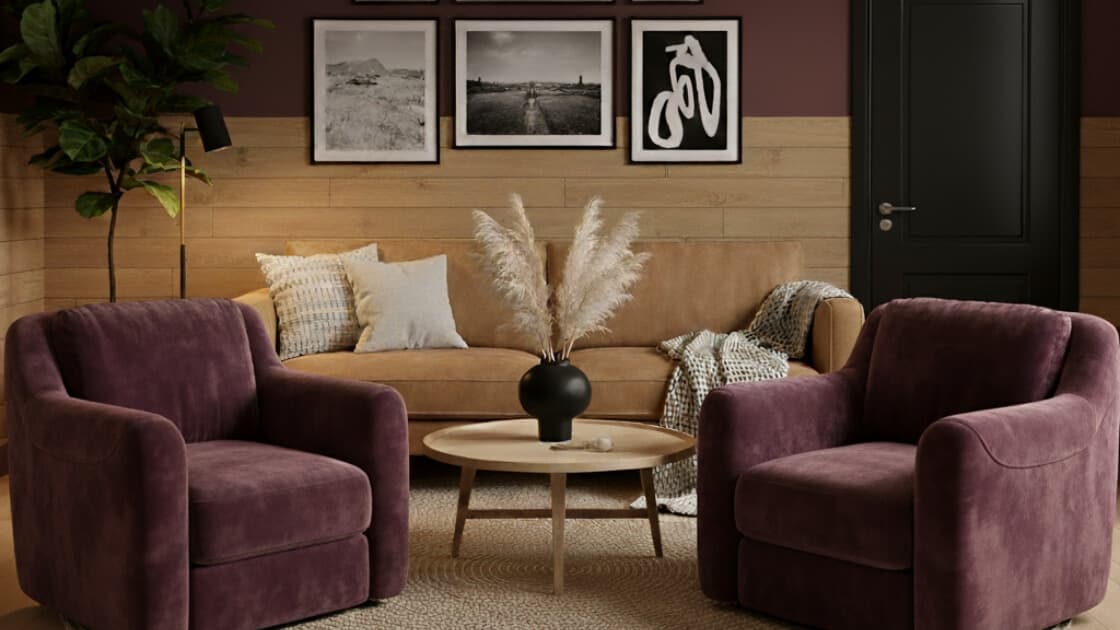
Definitions matter. Ruesophie frames quiet luxury as a “soft, stealth-wealth restraint,” noting it “hides its expense in invisible joinery, cashmere throws, and seamless technology” while warning that both camps share “quality materials, enduring craftsmanship, and disdain for fast, disposable decor.” By contrast, Ruesophie says, “Maximalism delights in visible abundance: patterned silk curtains, inlaid woods, hand-painted doors, and art clusters,” and teases an iteration it calls “tidy maximalism” — “clear sightlines, cohesive color stories, and edited surfaces, even when the overall impression is full and lush,” a look the writer predicts will dominate by 2026. Ruesophie also cautions that “the third, and most dreaded, error is confusing maximalism with clutter.”
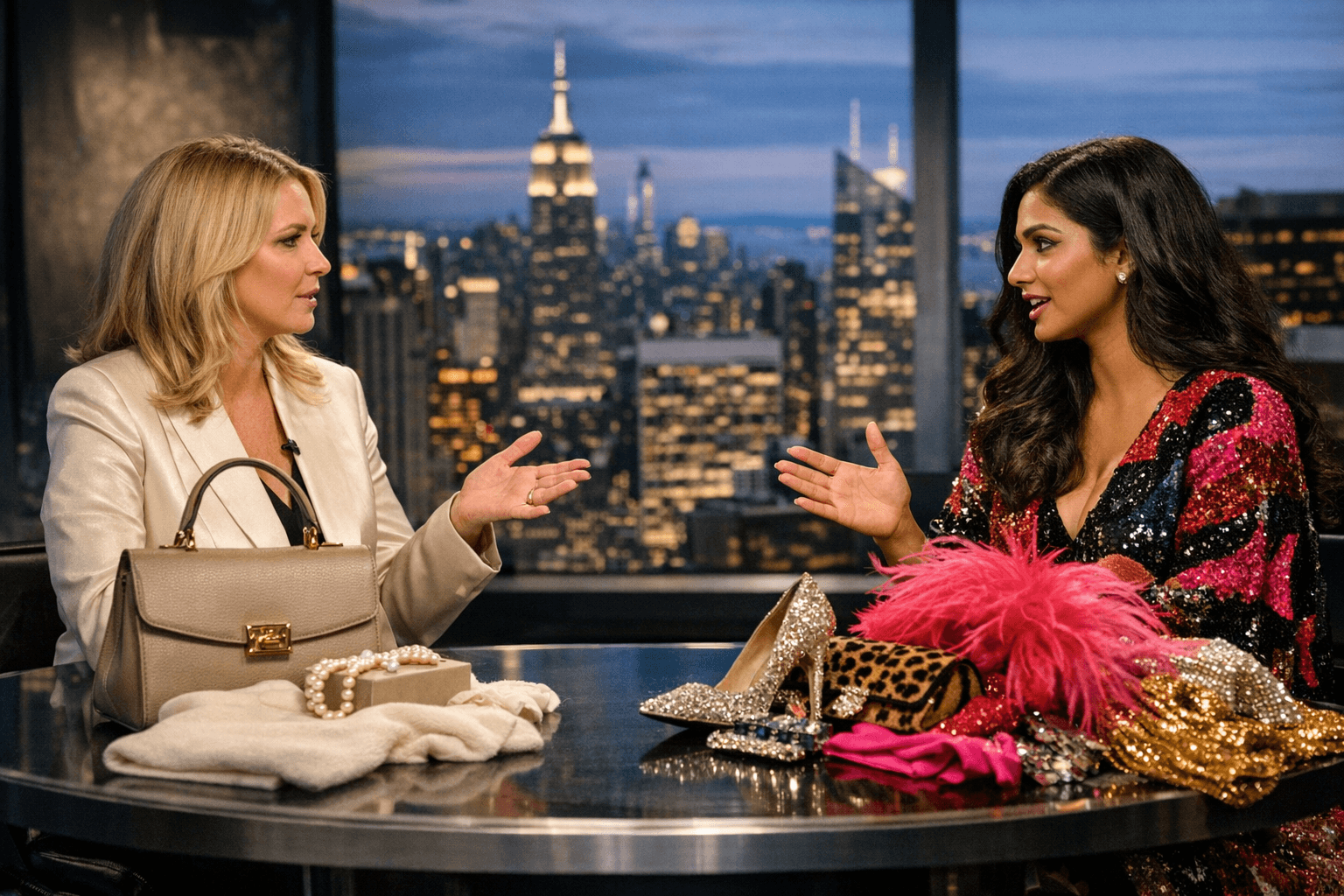
Personal style vignettes make the stakes tangible. In Vogue Arabia’s essay “The Death of Quiet Luxury: Maximalism is Making its Much-Anticipated Return,” the author describes weaving “my pearl-studded Gucci belt through the loops of my sand-toned trousers” before swapping into “a chunky cardigan printed with romantic bows,” and concludes bluntly, “Quiet luxury has stealthily stolen the fun from fashion. And I want it back.” Vogue Arabia also includes the line from Black: “Not everyone can pull off a maximalist style; it takes a bold and experimental personality.”
Not everyone frames this as a binary. Substack’s Whyyoushouldcare argues that consumers are rejecting being told what to want and that “The future isn’t ‘quiet luxury vs. maximalism.’ The future is: ‘What do you want to look like?’” That analysis places practical advice in sharp focus.
For readers wondering what to wear, the pragmatic path is clear: borrow maximalism’s theatrical cues in edited ways — oversized shirt collars, large-scale prints, shoulder pads or wide belts noted by Forbes — while keeping Ruesophie’s tidy maximalism rules in mind: cohesive color stories and edited surfaces. Balance the pearl-studded accessories and chunky cardigans Vogue Arabia celebrates with the craftsmanship Ruesophie insists both movements prize, because the lasting change may be less about which aesthetic wins and more about using these tools to declare your own story.
Know something we missed? Have a correction or additional information?
Submit a Tip