Star Wars Day spotlights six upcoming projects, from films to games
Star Wars Day now doubles as Disney’s franchise dashboard, with new films, streaming and games aimed at reviving, deepening and monetizing fan interest.
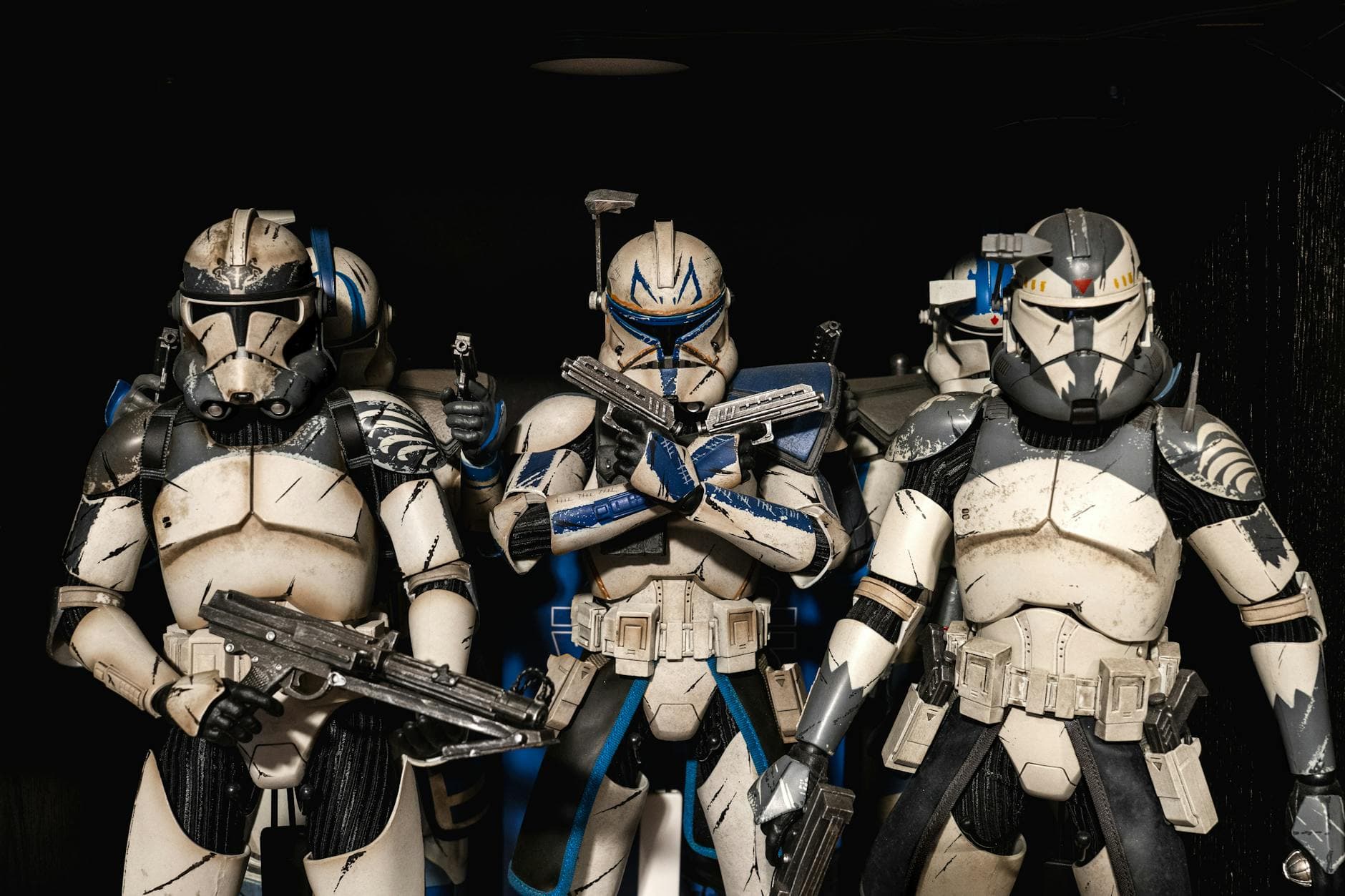
Star Wars Day has become more than a fandom joke about “May the force be with you.” It is now an annual signal for where Disney is placing its bets, and the latest slate shows a franchise being managed like a multi-channel portfolio, with theaters, streaming and games all serving different audiences at different price points. The holiday’s official status and the long tail of “May the 4th Be With You,” which can be traced back to 1978, underline how much cultural value Star Wars still has when Lucasfilm wants attention for what comes next.
The Mandalorian and Grogu
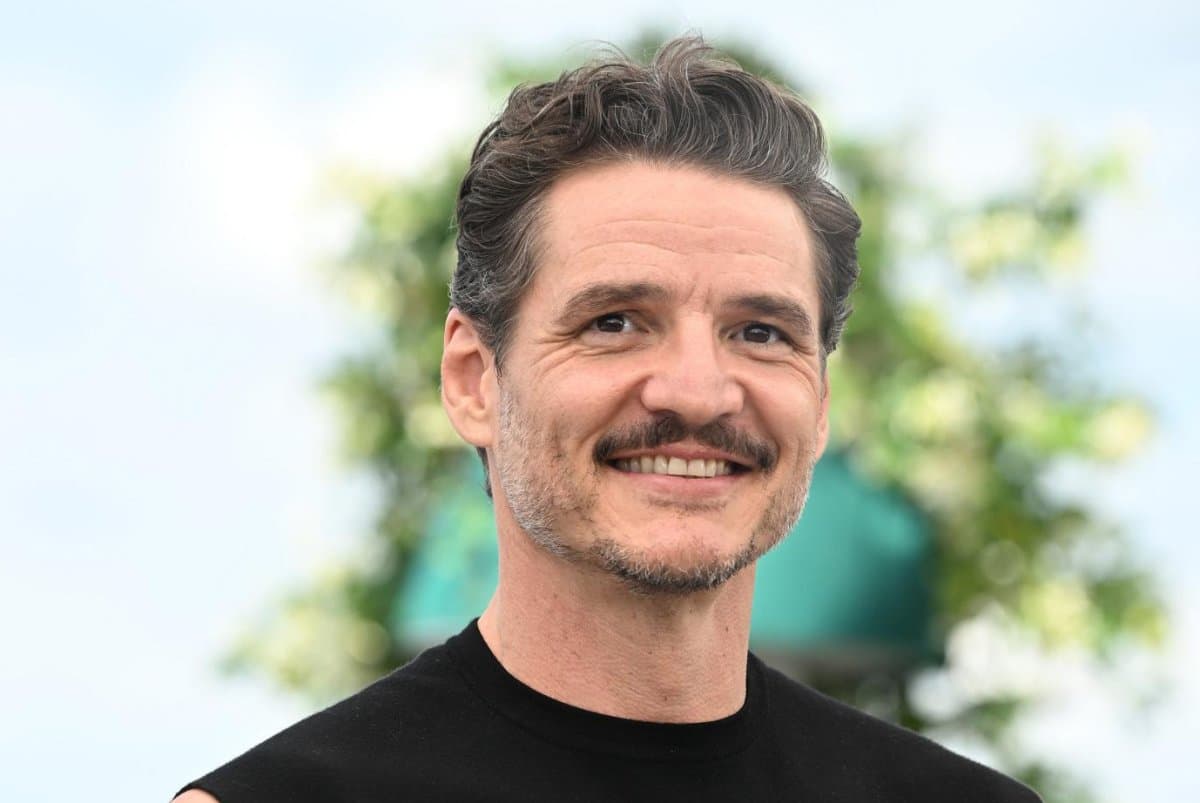
The clearest sign of Disney’s strategy is the decision to put The Mandalorian and Grogu into theaters and IMAX on May 22, 2026. That move turns a streaming success into a big-screen event, giving the studio a chance to pull in lapsed viewers who recognize Din Djarin and Grogu even if they have not kept up with every chapter on Disney+. Pedro Pascal returns, alongside Sigourney Weaver and Jeremy Allen White, with Jon Favreau directing and Ludwig Göransson back on music. Kathleen Kennedy, Ian Bryce, Favreau and Dave Filoni are producing, and Weaver’s Colonel Ward helps set the mission: the New Republic is trying to preserve the peace after the Empire’s fall while hunting Imperial war criminals. It is a familiar Star Wars setup, but the platform shift is the real business story, because it converts a proven TV asset into theatrical revenue.
Star Wars: Starfighter
If The Mandalorian and Grogu is about extending a known brand, Star Wars: Starfighter is about creating a new one. Lucasfilm has set the film for theatrical release on May 28, 2027, with Ryan Gosling starring and Shawn Levy directing from Jonathan Tropper’s script. The studio says the film began production in 2025 and is an original story set in a period never before explored in Star Wars, which matters because Disney is clearly trying to widen the universe without leaning entirely on legacy sequel-era characters. The cast list also signals scale and ambition, with Flynn Gray, Matt Smith, Mia Goth, Aaron Pierre, Simon Bird, Jamael Westman, Daniel Ings and Amy Adams joining the project. That combination of star power and a fresh timeline suggests a bid to attract moviegoers who want a new entry point, not just another continuation of familiar lore.
Ahsoka season 2
Ahsoka season 2 sits at the other end of the strategy, aimed squarely at the fans already deep in the ecosystem. At Star Wars Celebration Japan 2025, Lucasfilm said the season was about to begin filming, and later material confirmed Hayden Christensen’s return as Anakin Skywalker while Rosario Dawson comes back as Ahsoka Tano. By the time of San Diego Comic-Con 2025, the season was in production, and fans got their first look at Ezra Bridger’s new costume. That sequence tells you how Lucasfilm is using streaming: not as filler between films, but as a serialized loyalty engine that keeps a core audience invested in character arcs, timelines and cross-references that reward close attention. It is the kind of project that deepens engagement rather than chasing a broad theatrical reset.
Star Wars: Galactic Racer
Star Wars: Galactic Racer shows Lucasfilm pushing into games as a separate line of business, not just a promotional add-on. The title is set in the era after the Empire’s fall and centers on racing in the New Republic period, with the lawless Outer Rim providing the backdrop for a “runs-based” reinvention of the genre. StarWars.com says the game will launch worldwide on October 6, 2026 for PlayStation 5, Xbox Series X|S and PC. That platform spread matters because it turns Star Wars into a multi-device product, capable of reaching console players who may never buy a ticket for the films or keep up with the Disney+ series. It is also a reminder that Lucasfilm is willing to use a new gameplay format to broaden the franchise’s commercial footprint.
Star Wars Eclipse
Star Wars Eclipse takes a different swing again, this time with Lucasfilm Games and Quantic Dream building an intricately branching action-adventure game set in the High Republic era. Even without a date attached, the premise is revealing: Lucasfilm is not just revisiting the same eras in new formats, it is deliberately opening up less-traveled corners of the timeline to create room for fresh storytelling and new consumers. The branching structure also suggests a game designed for replayability and deeper immersion, which is valuable in a franchise where world-building itself is part of the product. In economic terms, this is a long-tail play, one that can generate attention over time rather than relying on a single launch spike.
Why this slate matters
Taken together, the six projects show a franchise being run with unusual precision. The Mandalorian and Grogu is built to revive broad interest through a theatrical upgrade, Starfighter is a bet on new characters and a new era, Ahsoka season 2 is for the die-hards who want serialized continuity, and the two games expand Star Wars into revenue streams that can outlast a movie release cycle. That mix is the larger point of Star Wars Day now: Disney is not simply celebrating a brand, it is using the calendar to keep the brand culturally present while it feeds different audiences through different channels. The result is a pipeline designed less around one blockbuster and more around constant franchise motion.
This article was produced by Prism’s automated news system from verified source data, official records, and press releases, then run through automated quality and moderation checks before publishing. The system is built and supervised by the people who set the standards it runs under. Read our full AI policy.
Did this article answer your question?