Starbucks ends AI inventory tool after nine months amid shortages push
Starbucks pulled a worker-facing inventory AI after nine months, as glitches and excess shipments raised fresh doubts about its shortage fix.
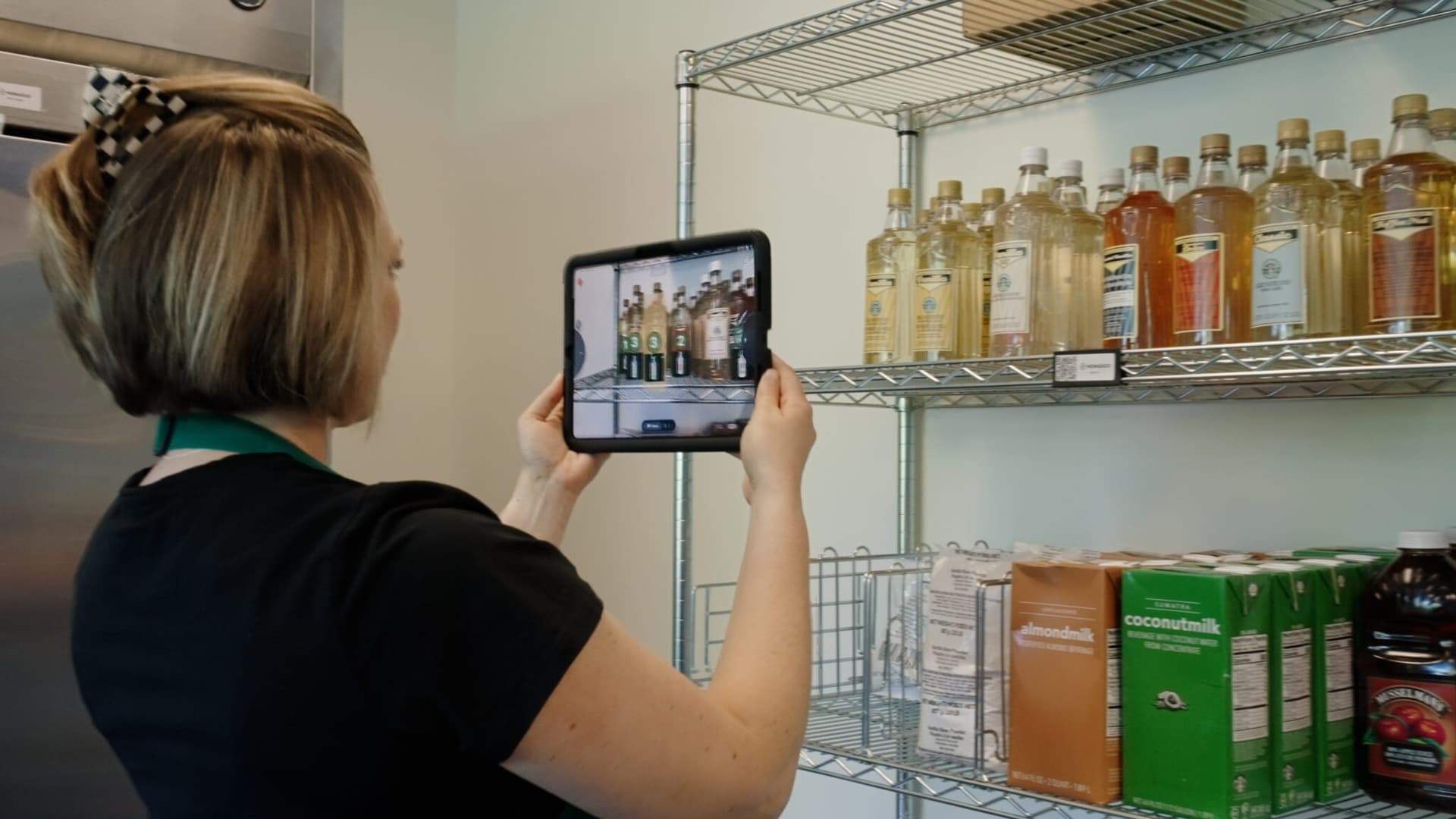
Starbucks pulled a worker-facing AI inventory tool from North American stores after about nine months, a sharp retreat for a system meant to ease the shortages that have frustrated baristas and customers alike. An internal company newsletter said, "Starting today, Automated Counting will be retired." The move came as chief executive Brian Niccol tries to steady product availability and improve the in-store experience at a chain where missing milk, pastries and cup lids have long fed complaints about service.
The rollback points to a basic problem: the software did not appear to deliver enough accuracy or reliability to justify keeping it in stores. Videos showed glitches in the inventory system, and baristas posted photographs of excessive shipments, signs that a tool designed to save labor may have created extra counting, correction work and waste instead. Starbucks did not say the program failed outright, but ending it so soon suggests the practical payoff was smaller than the promise.
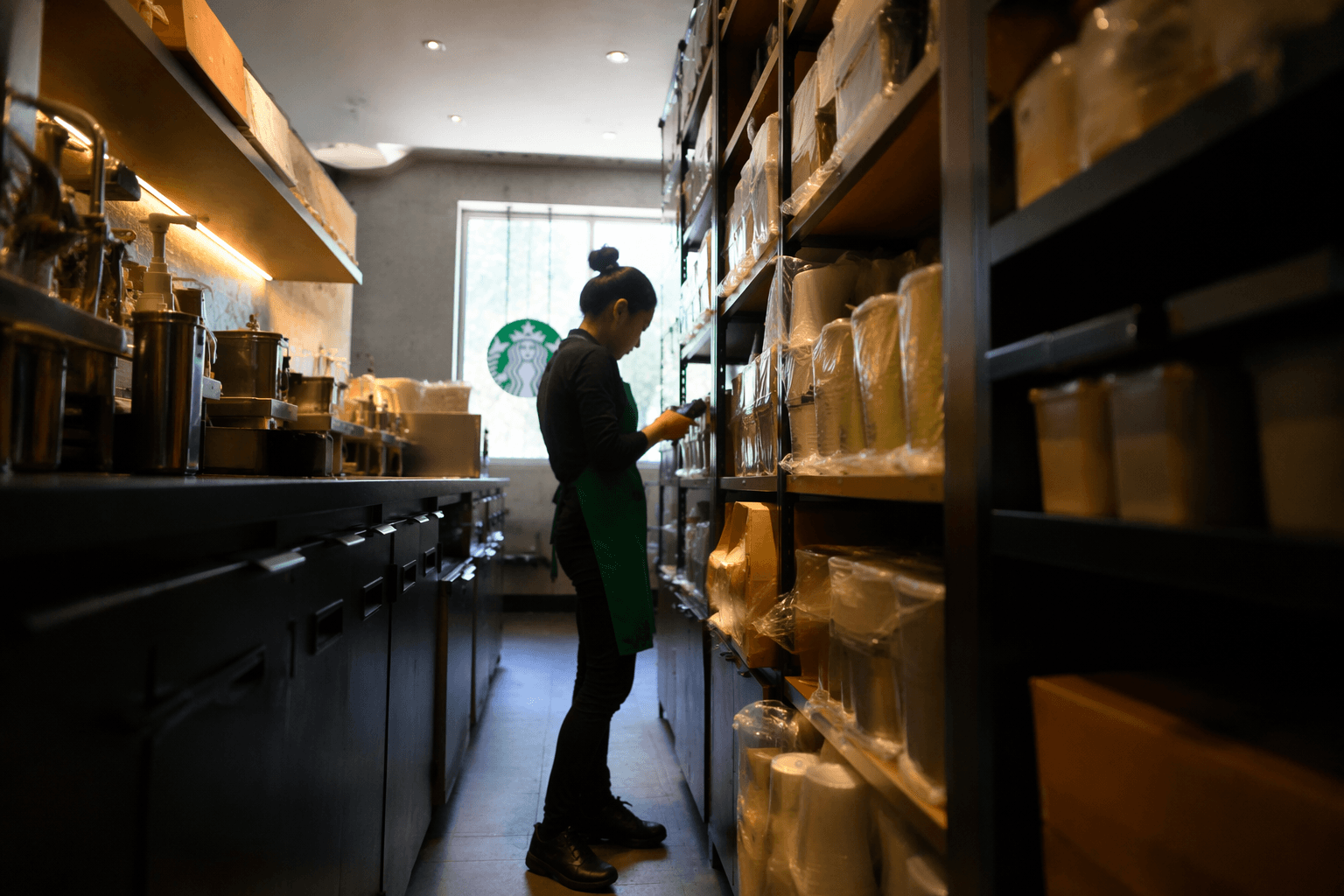
That matters because Starbucks shortages are not a new problem. Four Starbucks chief executives over five years have blamed lost sales on the company’s struggle to keep stores reliably stocked. In early 2024, less than a third of deliveries to Starbucks distribution centers arrived on time with the full amount of products, a failure that helped turn inventory management into a turnaround priority. Starbucks has said it is modernizing systems with AI-ready platforms, strengthening demand forecasting and making its distribution network more agile so the right products reach coffeehouses each day.
The stakes are high across a business that ended fiscal 2025 with 40,990 stores worldwide, including 16,864 in the United States. The chain closed 627 stores as part of a restructuring plan announced on September 25, 2025, with more than 90% of the closures in North America. Comparable sales had fallen 7% globally in fiscal fourth quarter 2024 and 2% in North America and the U.S. for fiscal 2024, though North America sales were flat in fiscal fourth quarter 2025 and U.S. sales turned positive in September and stayed positive through October. For Starbucks, the abandoned counting tool is a reminder that the hardest part of an AI turnaround may still be the oldest one: getting the product on the shelf.
Know something we missed? Have a correction or additional information?
Submit a Tip