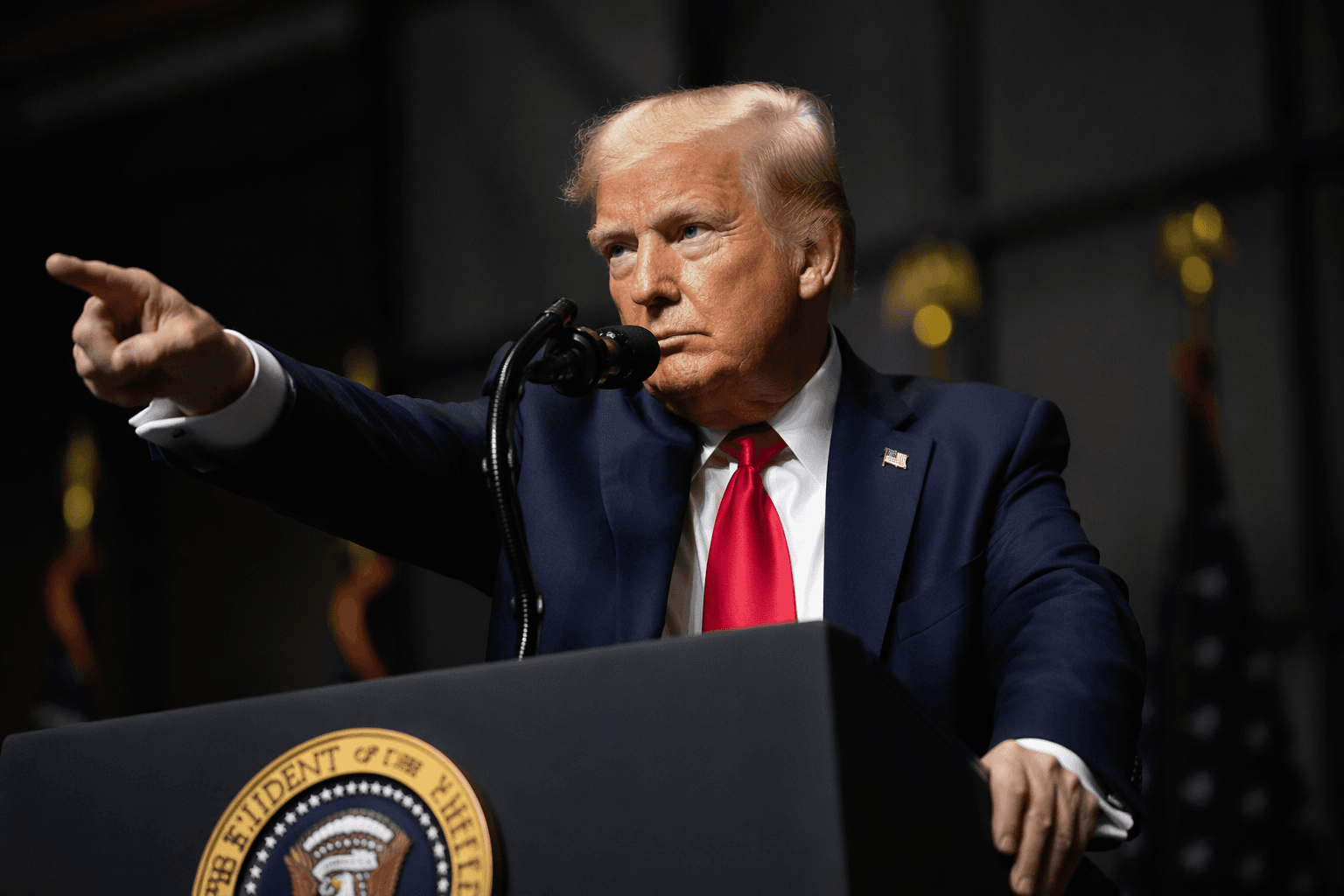
Starmer bids farewell at final PMQs, MPs trade tributes and jokes
At his final PMQs, Keir Starmer said Britain was in “better shape than I found it” and told MPs, “This is the end of my political journey.”
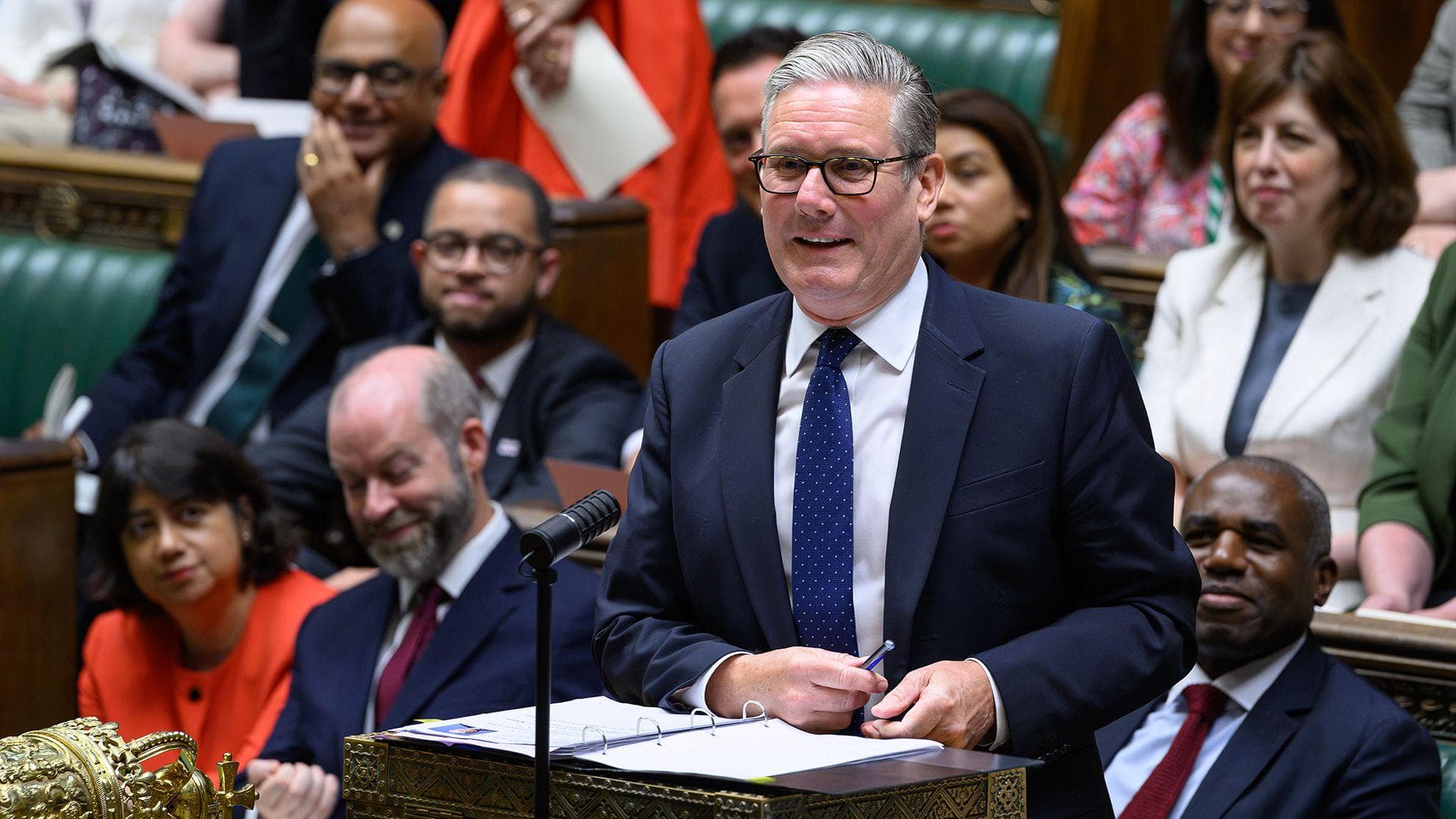
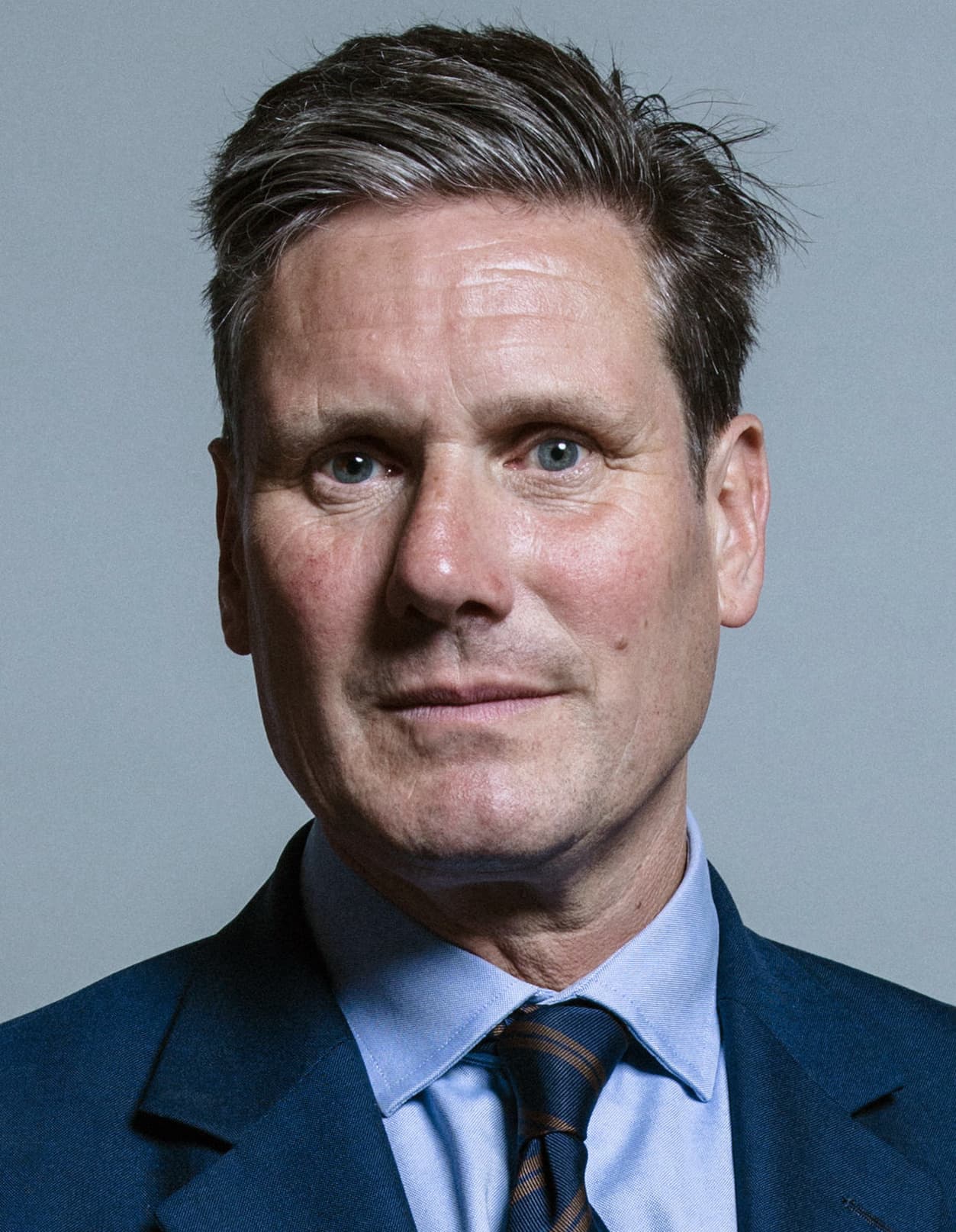
Keir Starmer used his final Prime Minister’s Questions to tell MPs, “This is the end of my political journey,” and said he was leaving the United Kingdom in “better shape than I found it.” He said he would remain a backbench MP for now, ending a two-year premiership that is due to hand over to a successor next week.
The farewell session in the House of Commons was gentler than a normal PMQs, with tributes, jokes and personal anecdotes cutting across party lines. MPs mixed criticism with warmth, while Labour figures and some opposition members stood for a final ovation. Rachel Reeves was among those visibly emotional as the chamber marked the end of Starmer’s run at the dispatch box.
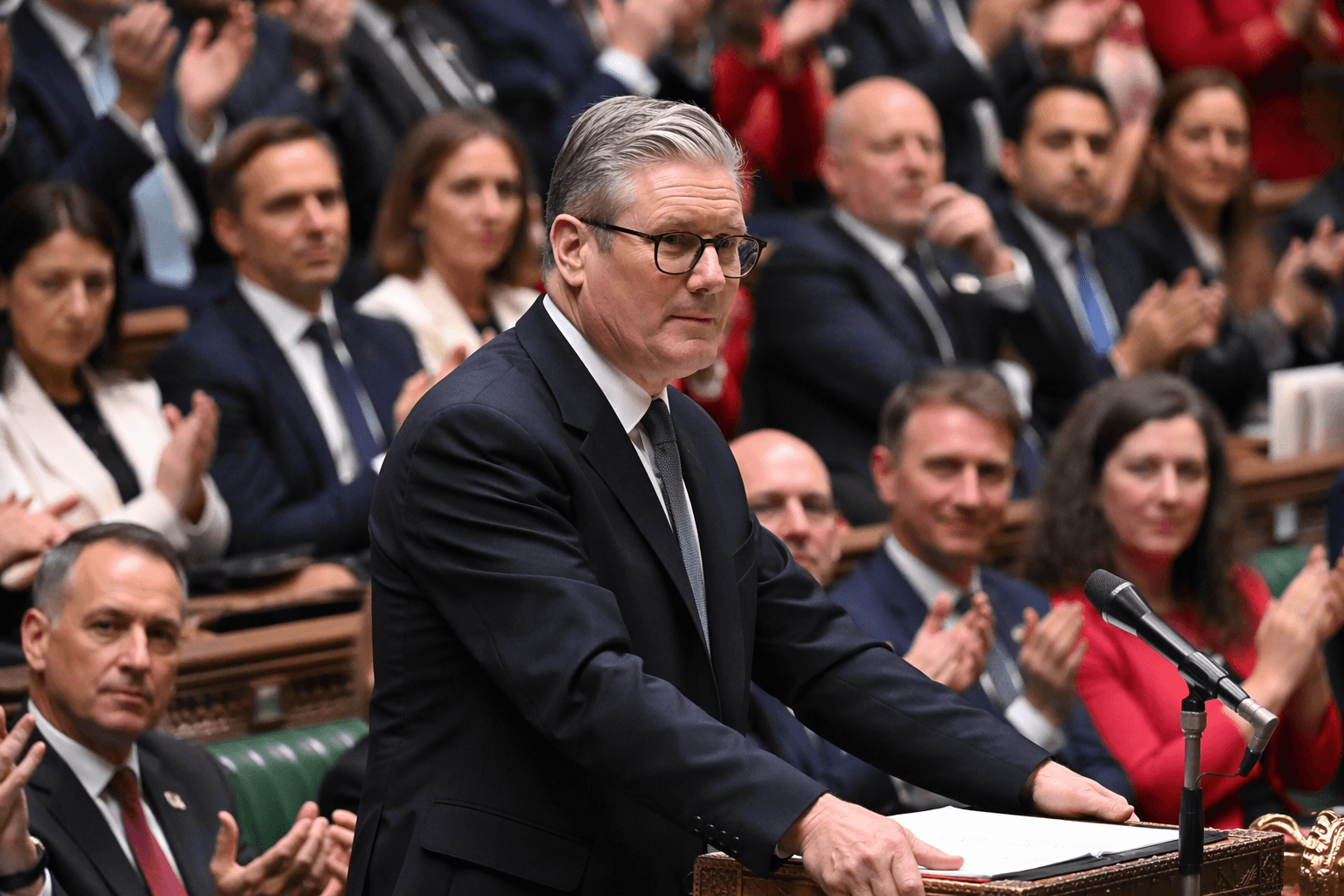
The mood reflected both the scale of Labour’s July 2024 landslide and the turbulence that followed. Starmer entered office with a huge majority, but his premiership soon became defined by scandals and U-turns that left his authority bruised even as he held the top job for two years. The final PMQs therefore read as more than a farewell: it was a verdict on a premiership that changed the party of government, but never fully settled the political weather around it.
The jokes were pointed as well as affectionate. MPs made references to Nigel Farage’s coming by-election contest against Count Binface, a sign that Westminster was still willing to use satire even in a moment of closure. Kemi Badenoch, the Conservative leader and the fourth Tory leader since 2022, used the occasion to warn that changing leaders is no silver bullet, a reminder that Starmer’s exit does not end the instability that has marked recent British politics.
His departure now hands Labour a fresh test. Britain’s parliamentary system allows a governing party to change prime ministers without calling a general election, and the next national vote does not have to be held until 2029. Starmer’s own exit, after the Commons’ final PMQs of the session, closes one chapter of Labour rule and opens another in which the party must define what survives of his project once he leaves 10 Downing Street.
This article was produced by Prism’s automated news system from verified source data, official records, and press releases, then run through automated quality and moderation checks before publishing. The system is built and supervised by the people who set the standards it runs under. Read our full AI policy.
Did this article answer your question?