Starmer defends cuts after defence secretary quits over spending row
Starmer insisted he had a duty to stay after John Healey quit, even as the defence row exposed a split over whether 2.68% of GDP can buy security.
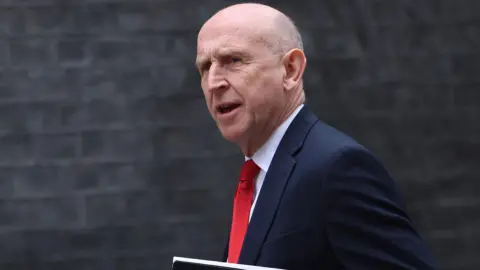
Keir Starmer is trying to present a cabinet rupture as proof of resolve, after John Healey quit as defence secretary and exposed a deep split inside the government over how far Britain can stretch its defence budget. Starmer said he had a duty to stay on as prime minister, rejected claims that he had lost authority, and insisted that defence remained his number one priority.
Speaking to the BBC, Starmer said he had made “hard-edged” decisions and argued that anyone who wanted to replace him would face the same financial constraints. The message was aimed as much at allies as at critics: he wants voters to read the spending fight as discipline under pressure, not drift, even as the cost of that discipline is now visible in the resignation of one of his senior ministers.

Healey resigned on Thursday, June 11, 2026, saying the long-delayed Defence Investment Plan fell “well short” of what was required and that HM Treasury was unwilling to commit enough resources to keep the country safe. He said the disputed plan would take defence spending to about 2.68% of GDP by 2030, a figure he judged inadequate because spending was already on course to reach about 2.6% next year.
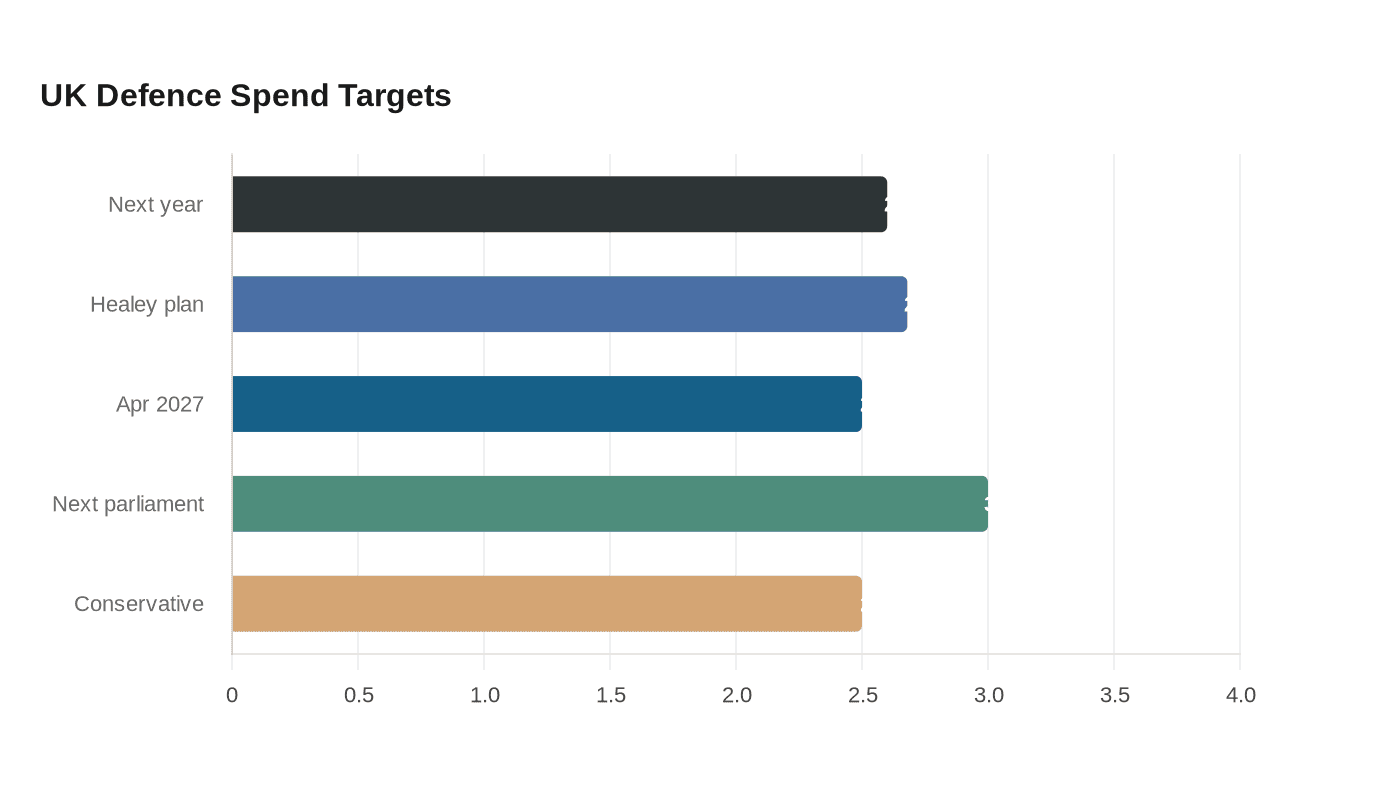
The row is about more than a single budget line. The government has said defence spending will rise to 2.5% of GDP from April 2027, with an ambition of reaching 3% in the next parliament if fiscal and economic conditions allow. That timetable is faster than the previous Conservative pledge to reach 2.5% by 2030, and the competing targets now define the political argument over who is serious about rearmament and who is simply promising what the public finances cannot bear.
The crisis deepened when Armed Forces Minister Al Carns also resigned, and Starmer appointed Dan Jarvis as the new defence secretary on June 11, 2026. The leadership changes have put Downing Street under pressure at a moment when the United Kingdom faces war in Europe, heightened Russian aggression, nuclear risks and cyber threats.
At stake is how new equipment and military infrastructure will be funded over the next decade. The final settlement will decide not only how quickly the government can rebuild capability, but whether Starmer can keep cabinet discipline intact while asking ministers, the military and the public to accept hard choices in a security crunch.
This article was produced by Prism’s automated news system from verified source data, official records, and press releases, then run through automated quality and moderation checks before publishing. The system is built and supervised by the people who set the standards it runs under. Read our full AI policy.
Did this article answer your question?

