Starmer defends defence spending plan after Healey resignation
Healey’s resignation turned a defence budget row into a test of Starmer’s authority, as he defended “hard-edged decisions” and a plan still seen as too thin.
Keir Starmer moved quickly to frame the defence row as a question of national priority rather than party panic after John Healey quit as defence secretary over the spending plan. But Healey’s departure on 11 June 2026, followed by the resignation of armed forces minister Al Carns, has pushed the argument far beyond Whitehall bookkeeping and into a contest over Labour discipline, fiscal credibility and who might one day challenge Starmer.
In a BBC interview, Starmer said “defence and security is the number one priority for me as Prime Minister” and insisted he had already taken “hard-edged decisions” to free up money for the military. He said cuts had been made from every cabinet department’s long-term capital budgets, underscoring how politically costly the funding push has become inside his own government.
Healey said the defence investment plan agreed by the Treasury would take spending to 2.68% of GDP by 2030, but he argued the country needed to reach 3%. He resigned after saying the plan “falls well short of what is required” and accusing the Treasury of refusing to commit enough resources to defend the country as threats rise. Ministers have since been appointed to replace the departing team, but the damage inside Labour was already done.
The dispute matters because it has become a proxy battle over how fast Britain should rearm and how much pain Labour is willing to absorb to do it. Starmer has already promised to raise core defence spending to 2.6% of GDP by 2027 and to 3% by the end of the next parliament in 2034, and in February he said the UK needed to “spend more, faster” on defence. That promise is now being tested against the tighter arithmetic of government spending and the scrutiny of MPs who want to know whether the prime minister can hold the line.
Reporting earlier in June said Starmer and Chancellor Rachel Reeves were weighing a defence investment package of about £18 billion over four years, with the figure possibly reduced to £15 billion because of broader fiscal pressure. The Defence Investment Plan was expected before the NATO summit in Turkey beginning on 7 July 2026, putting extra urgency on a decision that now looks like a measure of Starmer’s grip on power as much as a plan for the armed forces.

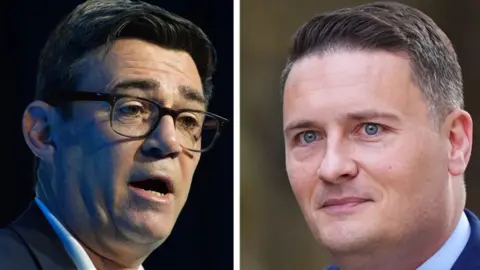
The row has already given potential rivals such as Wes Streeting and Andy Burnham fresh material for any future leadership contest. For Starmer, the issue is no longer just whether the defence settlement is big enough. It is whether Labour can enforce discipline now, before the argument over who leads it next starts in earnest.
This article was produced by Prism’s automated news system from verified source data, official records, and press releases, then run through automated quality and moderation checks before publishing. The system is built and supervised by the people who set the standards it runs under. Read our full AI policy.
Did this article answer your question?

