Starmer Faces Growing Labour Revolt After Local Election Losses, Resignation Calls Mount
Labour’s local-election losses triggered a rapid revolt, with MPs pushing Keir Starmer to set an exit date as U.K. borrowing costs rose.
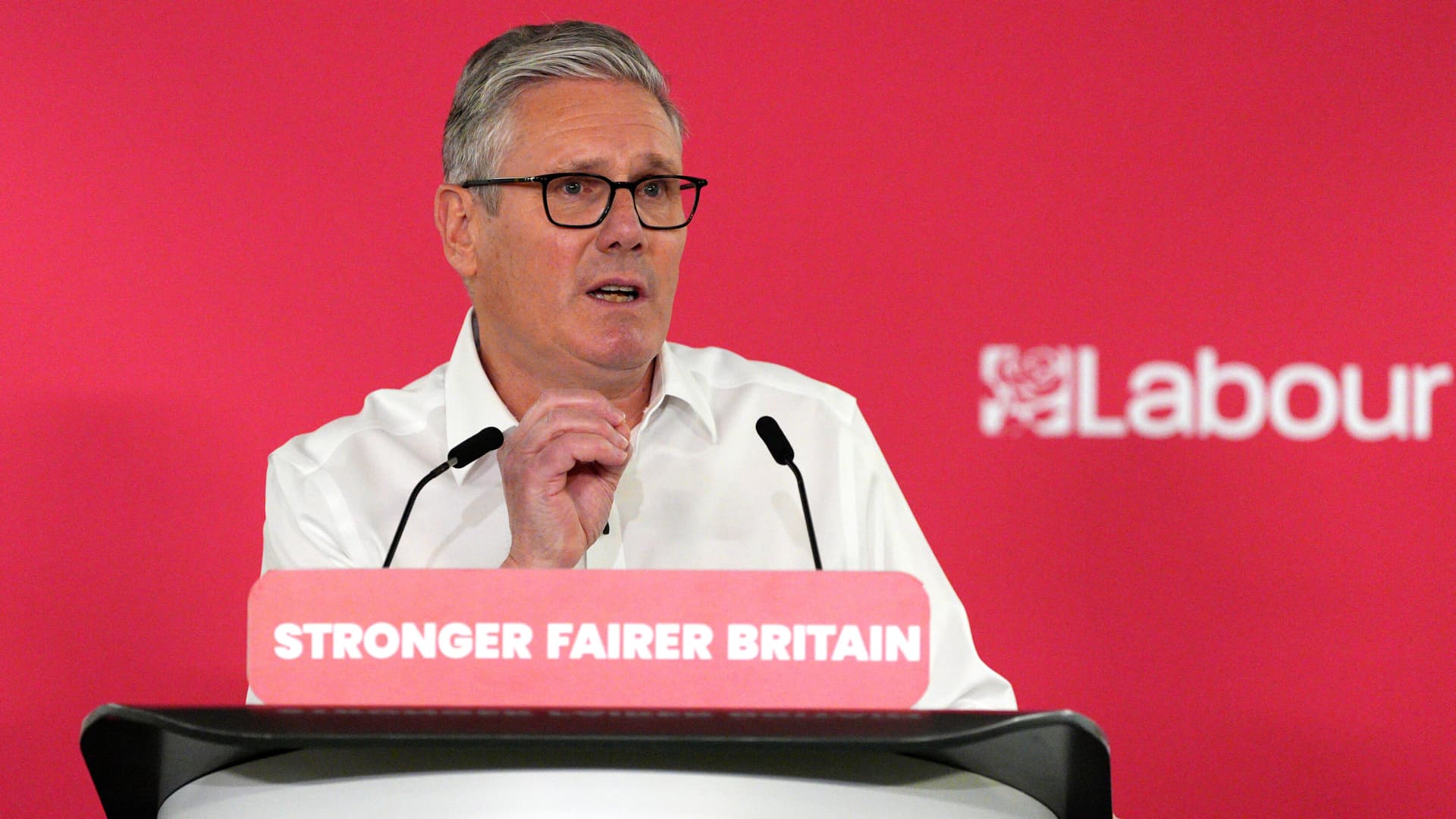
Keir Starmer was fighting to hold together a Labour Party that moved from victory to open revolt in a matter of months, as heavy losses in England’s local elections on Thursday, May 1, 2026, ignited fresh demands that he resign or set a departure date. The pressure inside the governing party deepened when reports said some Labour lawmakers were weighing a direct move against him, turning what began as an electoral backlash into a broader test of authority.
Starmer tried to close the door on speculation on Saturday, May 9, 2026, telling the BBC that he was “not going to walk away and plunge the country into chaos” and that he had “no plans to quit.” But the reassurance did little to stop the drift of dissent. Former minister Catherine West said she spoke for “more Labour people than just myself” in wanting Starmer to step aside, while cabinet minister Shabana Mahmood called on him to set out a timetable for leaving office, a sign that the unrest had reached into the cabinet itself.
The rebellion has sharpened questions about how much damage Labour can absorb before its authority begins to fray at the center. Bloomberg described Starmer as losing a fight to stay in power as the rebellion spread, and the speed of the backlash has stood out: Labour had only recently returned to government, making the breakdown in discipline unusually fast by the standards of British party politics. That pace matters in London, but it also matters in Washington, where allies are watching for signs that Britain’s policy line on NATO, Ukraine and wider transatlantic commitments could become less predictable if the leadership fight drags on.

Markets have already registered the strain. CNBC reported that yields on benchmark 10-year U.K. government bonds rose to 4.904% amid the turmoil, a move that underscored investor concern that a leadership challenge could unsettle borrowing costs and confidence in the U.K. government’s direction. For Starmer, the problem is no longer just a bruising set of local results. It is whether he can convince his own party, and the markets, that Labour’s authority is still intact enough to govern without a deeper break.
Know something we missed? Have a correction or additional information?
Submit a Tip