Starmer faces Labour revolt after local election losses shake No 10
Reform UK won 677 seats as Labour slumped to an estimated 19%, and Starmer promised to stay on and deliver change.
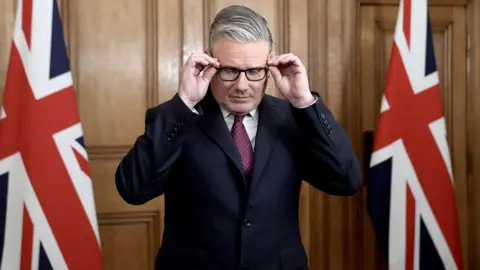
Keir Starmer is trying to hold together a government that swept into No 10 on a landslide and is now being tested by one of the sharpest local-election reversals in years. The Labour leader, who became prime minister on 5 July 2024 after taking the party leadership in April 2020, is facing a revolt built on a simple argument inside his own ranks: a huge mandate can shrink fast when voters stop seeing delivery.
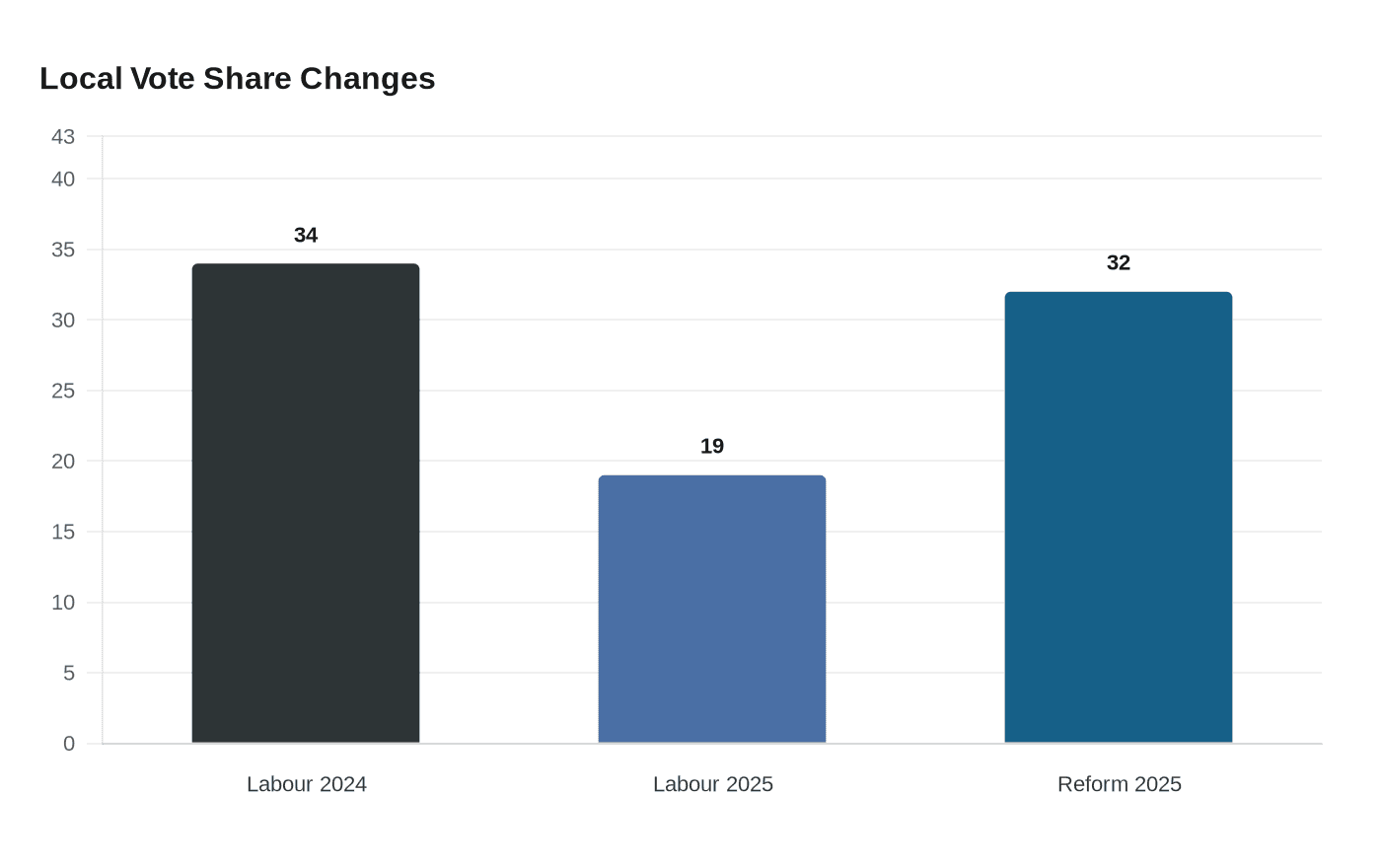
The scale of the warning was plain in England’s local elections on 1 May 2025. Reform UK won 677 seats, the largest haul in the contests covered by the House of Commons Library, taking 41% of the seats up for election. Labour still remained the largest party in local government, but the numbers pointed to a severe erosion in its appeal. The Commons Library estimated Labour would have come second on 19% of the vote, down from 34% in 2024, while Reform was put on 32%.
Those results landed with particular force because they came so soon after Labour’s general-election triumph. On 4 July 2024, 28,809,340 valid votes were cast from an electorate of 48,224,212, handing Labour a commanding parliamentary mandate. Less than a year later, local voters produced the lowest average winning vote share ever recorded in the Commons Library briefing, 40.7%, and 75 candidates were elected with less than 30% of the vote. The message was not just about one party losing ground; it was about the fragmentation of English politics and the volatility of the electorate Starmer now has to govern.
The local ballot also covered 1,637 council seats across 23 local authorities, along with four combined authority mayors and two local council mayors. That concentration matters because local government is where national discontent becomes visible in hard numbers, seat by seat. Reform’s gains, and Labour’s losses, showed how quickly a protest vote can harden into a broader challenge to both the governing party and the traditional opposition.
Starmer has said he will stay in office to “deliver change,” but the pressure on him is no longer just about internal party discipline. It is about whether Labour can turn a landslide into durable authority before the next round of tests, and whether a weakened prime minister can keep Britain steady for allies watching trade talks, NATO commitments and Ukraine coordination. For No 10, the danger is that electoral instability at home starts to look like strategic uncertainty abroad.
This article was produced by Prism’s automated news system from verified source data, official records, and press releases, then run through automated quality and moderation checks before publishing. The system is built and supervised by the people who set the standards it runs under. Read our full AI policy.
Know something we missed? Have a correction or additional information?
Submit a Tip