Starmer faces mounting Labour doubts after Mandelson vetting row
Starmer insists Labour’s “vast majority” still back him, but the Mandelson vetting row has exposed doubts about his judgement, discipline and control.
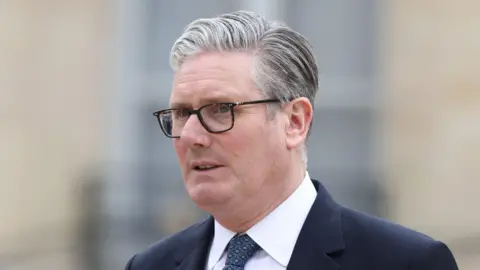
Keir Starmer is trying to steady Labour after the Peter Mandelson vetting row, but the dispute has instead sharpened questions about whether his authority inside the party is holding. Starmer said the “vast majority” of Labour MPs still support him and want him to remain prime minister, adding that politics always has “talk” and that quieter supporters simply want to “get on with the job.”
The row has become more than a personnel dispute. Starmer told MPs this week that security officials had recommended against vetting approval for Mandelson, but that warning was not passed on to him. He also said he did not regret sacking Sir Olly Robbins, the Foreign, Commonwealth and Development Office’s most senior civil servant, after the fallout. Robbins has given a different account, telling MPs he was not told there had been a recommendation to deny clearance, only that officials were “leaning against” it. He later said there had been an “atmosphere of pressure” to get Mandelson into Washington quickly.
That clash has turned the affair into a test of ministerial judgement as much as a question of process. Critics argue Starmer should have pressed harder on the vetting before the appointment became a political problem. Opposition leader Kemi Badenoch has said his “reputation is at stake,” a warning that cuts to the heart of Labour’s claim to competence in government.
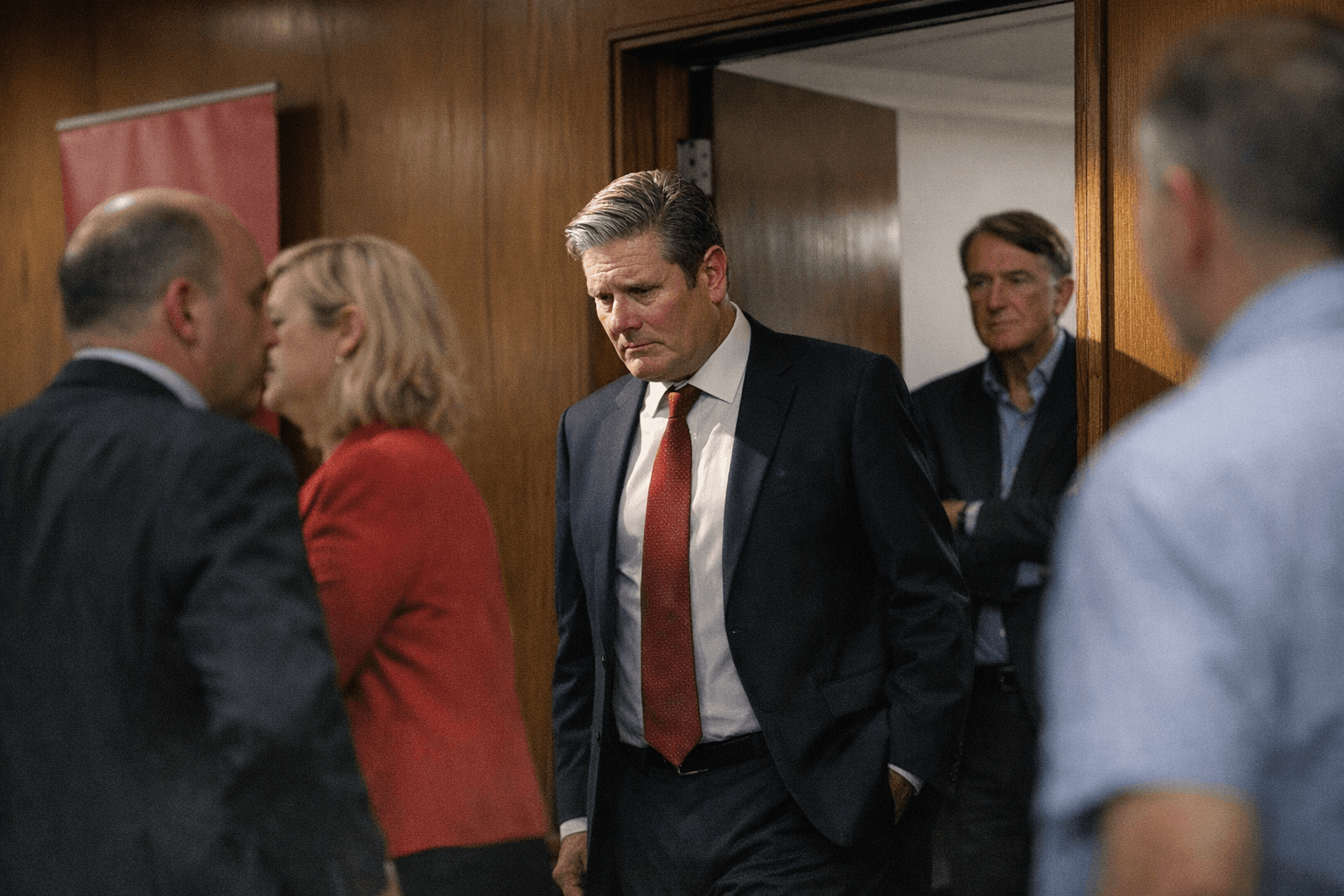
The political stakes are wider than one appointment. In a Sky News interview on February 11, 2026, Starmer said he would lead Labour into the next general election in 2029 and would “never walk away.” Yet by April, Labour MPs were already being described as uneasy about his position, with some believing any leadership challenge would be delayed until after the local elections on May 7, 2026, when the party is expected to face difficult results.
For a party that won a large majority in 2024, the issue now is whether internal discipline is fraying at the point where it matters most: the ability to govern, command Whitehall and project a clear national message. The Mandelson row has not just revived speculation about Starmer’s future. It has raised a broader question about whether Labour’s leadership is beginning to lose control of the machinery around it.
This article was produced by Prism’s automated news system from verified source data, official records, and press releases, then run through automated quality and moderation checks before publishing. The system is built and supervised by the people who set the standards it runs under. Read our full AI policy.
Did this article answer your question?

