Starmer faces pressure over Mandelson vetting scandal and Epstein warnings
Starmer is under fire after Peter Mandelson’s failed vetting surfaced, along with warnings over Epstein links and a £75,000 payout that has deepened the trust crisis.
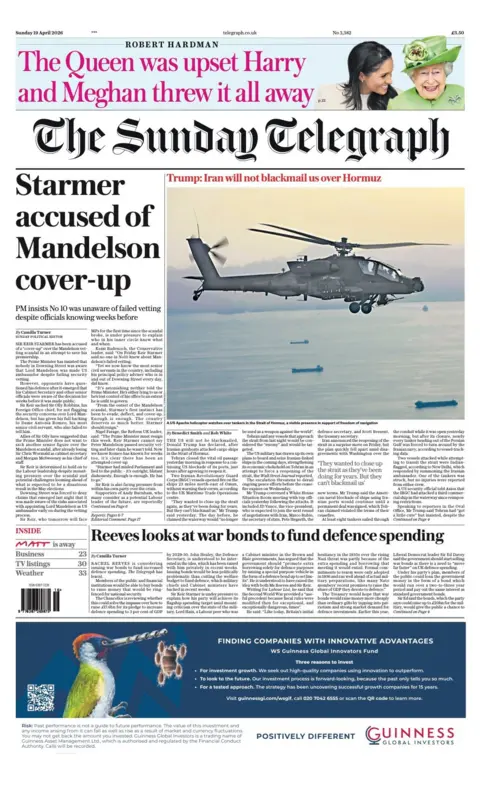
Keir Starmer is facing mounting pressure after Peter Mandelson’s failed security vetting for the US ambassador role came to light, raising fresh questions over who in government knew what, and when. The row has moved beyond one appointment and into a broader test of Downing Street’s grip on accountability, after the Foreign Office overruled the vetting advice and approved Mandelson anyway.
The appointment was announced on 20 December 2024, but reports now indicate Mandelson had failed Developed Vetting in January 2025. That detail matters because the approval process was supposed to act as a final safeguard for one of Britain’s most sensitive diplomatic posts. Instead, the case has turned into a dispute over whether the system was ignored, delayed or simply not properly escalated.

The pressure intensified after documents released in March 2026 warned of a “general reputational risk” in appointing Mandelson because of his relationship with Jeffrey Epstein. Those files also said Mandelson reportedly stayed in Epstein’s house while Epstein was in jail in June 2009, and revealed that Mandelson later received a £75,000 taxpayer-funded payout after his contract was terminated. For Starmer, the issue is no longer only reputational. It goes to whether political judgment overrode the normal checks meant to protect the state.
Starmer’s own words are now part of the controversy. On 4 February 2026, he told MPs, “Yes, it did,” when asked whether the official security vetting mentioned Mandelson’s ongoing relationship with Epstein. Then, on 17 April 2026, he said it was “unforgivable” that he had not been told Mandelson had failed security vetting while he was telling Parliament that due process had been followed. That contradiction has sharpened concern over whether MPs were given a full and accurate picture.
Downing Street says Starmer and ministers only learned of the failed vetting on Tuesday 15 April 2026. But reports that at least two senior civil servants knew weeks earlier have raised new questions about why the alert did not reach the prime minister sooner, and why Cabinet Office officials waited while legal checks were completed. The sacking of Sir Olly Robbins, the Foreign Office’s permanent under-secretary, on 16 April 2026 has only deepened the sense of a Whitehall blame game.
Opposition leaders Kemi Badenoch, Nigel Farage and Ed Davey are all calling for Starmer to resign. With local elections in England and regional votes in Scotland and Wales due on 7 May 2026, the dispute now threatens to spill into the campaign, leaving Labour to explain not just one appointment, but the culture of judgment behind it.
Know something we missed? Have a correction or additional information?
Submit a Tip