Starmer faces resignation calls over Mandelson security vetting failure
Starmer said he was not told Mandelson failed vetting, while officials overruled a security recommendation and removed a top Foreign Office official.
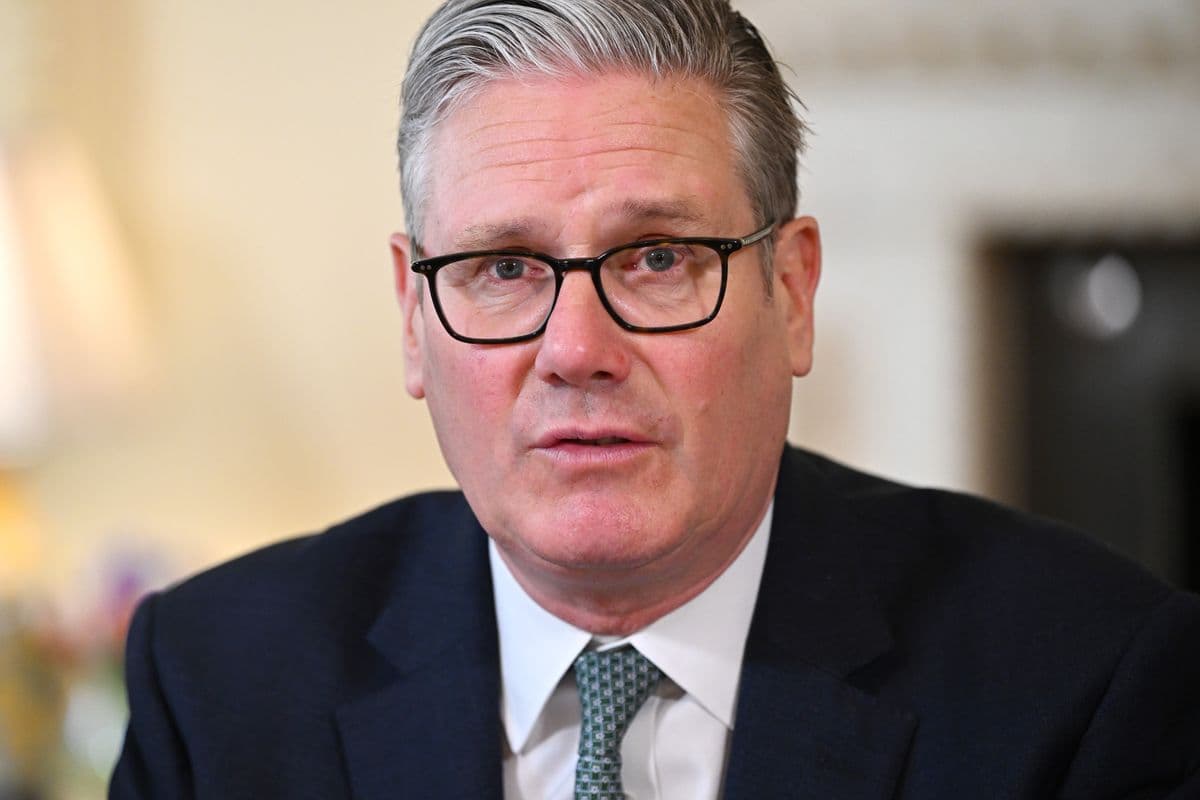
Keir Starmer is facing resignation calls after the government admitted he was not told that Peter Mandelson had failed security vetting before his appointment as ambassador to the United States.
Starmer said on Friday it was “staggering” that he had not been informed and “unforgivable” that he was left telling Parliament that “due process” had been followed. Downing Street says he first learned this week that Mandelson had failed the initial checks, and insists no minister was told.

The row goes to the heart of ministerial accountability. The Ministerial Code requires ministers to give accurate and truthful information to Parliament, while Parliament’s own accountability resolution says it is of “paramount importance” that ministers correct inadvertent errors at the earliest opportunity. Knowingly misleading Parliament is generally treated as a resignation-level offence.
Mandelson was appointed on 20 December 2024, with the government saying he would take up the post early in 2025. GOV.UK records him as ambassador from 10 February 2025 to 11 September 2025. His appointment had already been controversial because of his ties to Jeffrey Epstein, and he was presented as bringing “extensive foreign and economic policy knowledge” and strong business links to the role.
The government has now blamed Foreign Office officials for overruling the security recommendation, and Sir Olly Robbins, the Foreign Office’s top official at the time, has been removed in the fallout. A Humble Address dated 4 February 2026 sought papers on Mandelson’s appointment, including Cabinet Office due diligence, conflict-of-interest forms, and material on his links to Russia, China and Jeffrey Epstein. The Intelligence and Security Committee has said it expects any security-sensitive material to be passed to it separately.
The political damage has widened quickly. Kemi Badenoch and Nigel Farage have both called for Starmer to resign, arguing he misled Parliament. The Liberal Democrats have also demanded accountability and their frontbench has written to the Prime Minister’s ethics adviser, Sir Laurie Magnus, asking for an investigation. Starmer says he will go to Parliament on Monday to set out the facts and has said he does not plan to resign.
The affair lands at a dangerous moment for Labour, with weeks to go before local elections in England and devolved votes in Scotland and Wales. More than a Westminster embarrassment, it has become a test of whether security vetting can be overridden once a political decision has been announced, and whether the government still treats clearance warnings as binding rather than inconvenient.
Sources:
Know something we missed? Have a correction or additional information?
Submit a Tip