Starmer fights for Labour leadership after heavy election losses
Starmer faced a party revolt after Labour’s worst local-election losses in more than 30 years, with more than 30 MPs openly calling for him to go.

Keir Starmer faced a survival test as he prepared a major speech aimed at stopping Labour MPs from turning discontent into a formal leadership challenge. The pressure on the prime minister sharpened after Labour’s heavy local-election losses, described as the worst for a governing party in more than three decades, and after more than 30 Labour MPs publicly called for him to resign.
The speech was meant to do more than reset the message. Starmer was planning to argue that Labour needed a sharper, more ambitious course, and that only he could keep the party in office long enough to deliver what he still called national renewal. He said he would be “full-throated” about closer ties with Brussels and would continue his “10-year project” of national renewal, signalling that rebuilding relations with Europe would sit at the centre of his political fightback.
That shift mattered because the revolt inside Labour was no longer abstract. Catherine West, a former minister in Starmer’s government, said she would seek to trigger a leadership contest if no alternative move was made by Monday. Her warning turned the question in Westminster from whether Starmer was weakened to whether he could still hold the parliamentary party together long enough to prevent a contest gathering momentum.
Starmer’s allies moved quickly to head off that threat. Gordon Brown was brought back into the orbit of government as a special envoy on global finance, part of an effort to calm Labour factional tensions and project experience at the top of the party. But the manoeuvre did not end the speculation. Andy Burnham remained the name most often discussed by those looking beyond Starmer, and he refused to rule out a leadership bid amid widespread discontent.
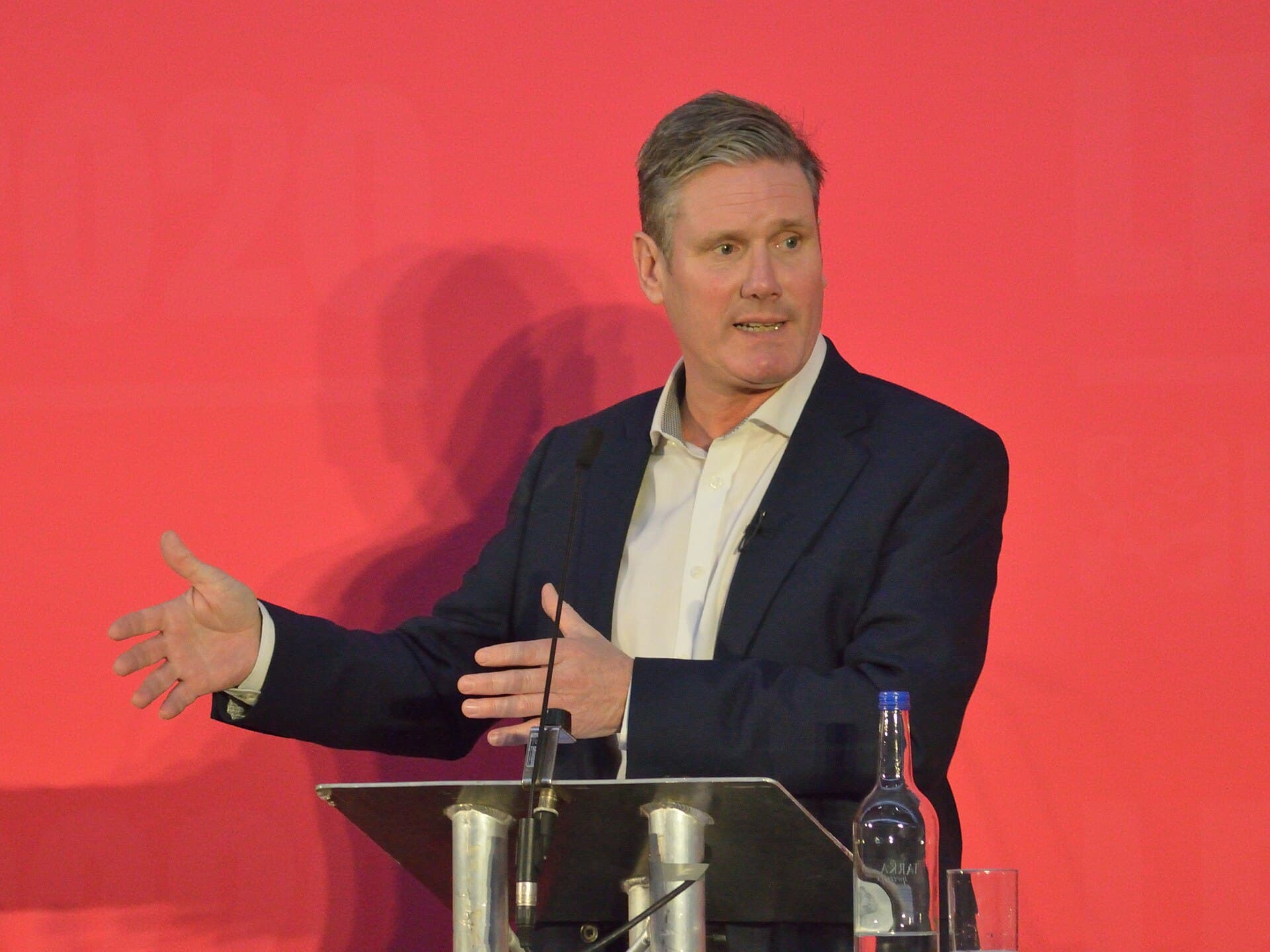
The immediate test was not simply whether Starmer could survive a single speech, but whether he could convince wavering MPs that a reset was real. For many of them, the make-or-break issue was whether he had a credible route to beat Reform UK and Nigel Farage, while also restoring authority after months of internal unrest. If the answer was no, the numbers in Westminster could still move against him, and fast.
Know something we missed? Have a correction or additional information?
Submit a Tip