Starmer Plans Law to Adopt EU Rules Without Parliamentary Votes
Starmer is preparing a law that would let ministers adopt EU single-market rules without a parliamentary vote, reopening the Brexit fight over sovereignty.
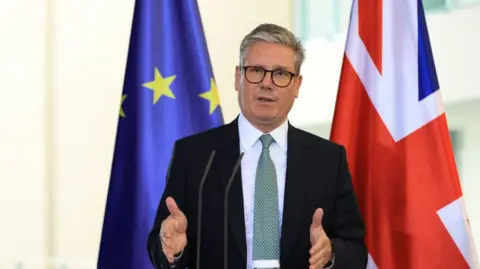
Sir Keir Starmer is preparing a law that would let the government adopt EU single-market rules without sending each change through a normal parliamentary vote. The move would hand ministers a faster route to align Britain with Brussels, and it would revive the core Brexit argument over who should control the rules that govern trade.
The plan sits inside Labour’s wider EU reset, aimed at cutting post-Brexit frictions and lifting growth. Ministers are already working on closer alignment in food and drink, net zero rules and access to the EU electricity market, while the government’s broader agenda is expected to feature in major legislation and the King’s Speech in May 2026.
One of the clearest examples is food trade. The UK government said on 9 March 2026 that Britain and the European Union had agreed on 19 May 2025 to pursue a new sanitary and phytosanitary agreement, or SPS deal. Industry groups say such an agreement would reduce checks and paperwork on food, animals, feed and plants, easing pressure on retailers and supply chains that have faced years of added compliance costs since Brexit.
The constitutional argument is more explosive than the technical detail. Reports say ministers are examining secondary legislation powers, sometimes described as Henry VIII powers, to approve future rule changes if they are judged to be in the national interest. Critics in the Conservative Party and Reform UK are likely to cast that as integration by stealth, warning that Parliament would be sidelined while European rules are adopted through the back door.
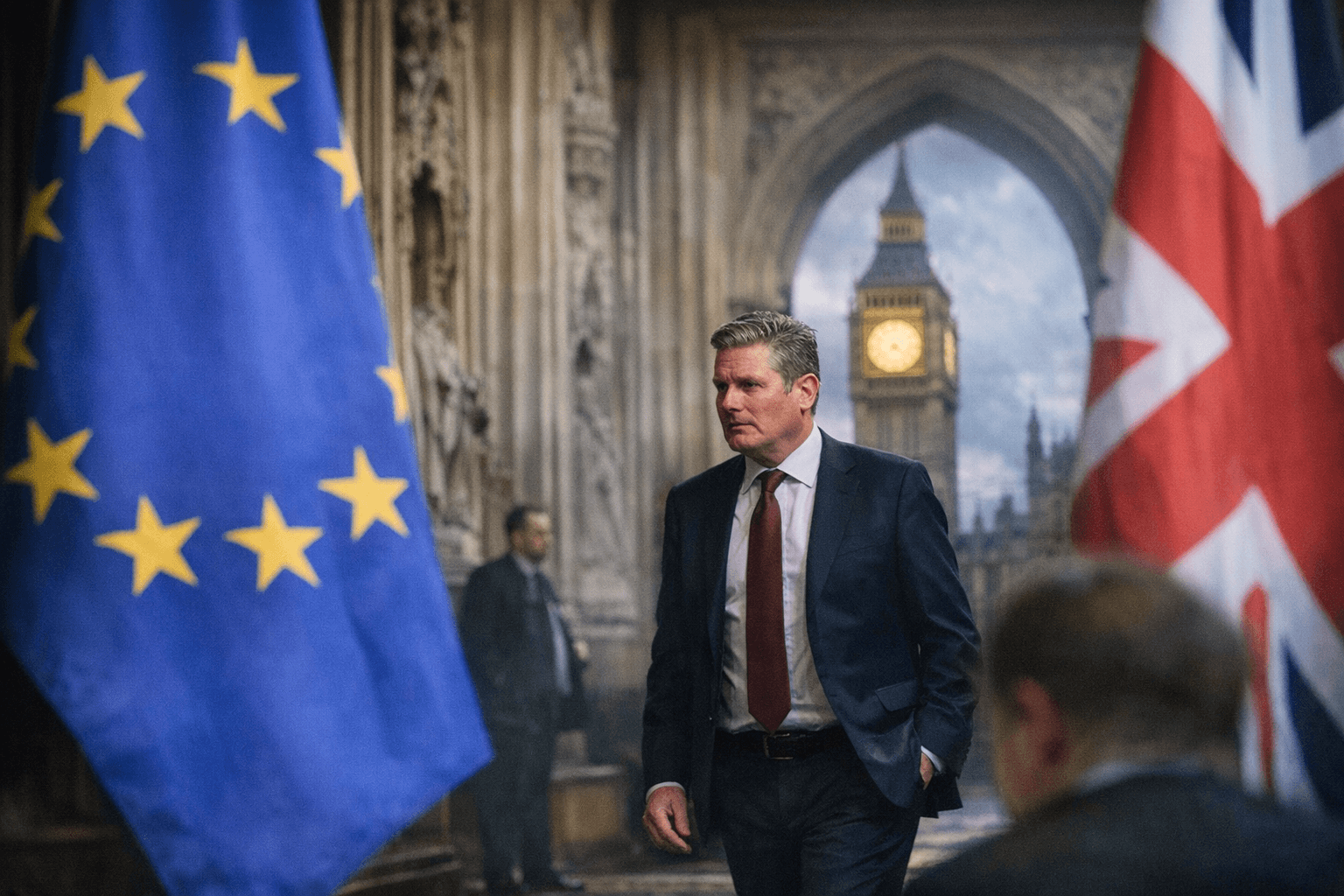
Business groups, by contrast, see a route to lower costs and less bureaucracy. They argue that closer alignment would trim the Brexit paperwork tax that has weighed on exporters, especially in sectors where every extra certificate, label change and border check adds delay and expense. The Telegraph has also reported that officials are looking at bringing back 76 EU directives, with agriculture and food among the most exposed areas.
Starmer has already signaled how far he is willing to go. In January 2026 he said Britain should go “further” in aligning with the European market where it is in the national interest, and by early April he was arguing that global instability meant Britain should place more weight on economic and defence ties with Europe. The political test now is whether Labour can sell economic stability without reopening the sovereignty battle that defined Brexit in the first place.
This article was produced by Prism’s automated news system from verified source data, official records, and press releases, then run through automated quality and moderation checks before publishing. The system is built and supervised by the people who set the standards it runs under. Read our full AI policy.
Did this article answer your question?

