Starmer projects calm as Labour unrest raises leadership questions
Starmer insists he is focused on governing, but more than 80 Labour MPs and four ministerial aides have deepened doubts about his authority.
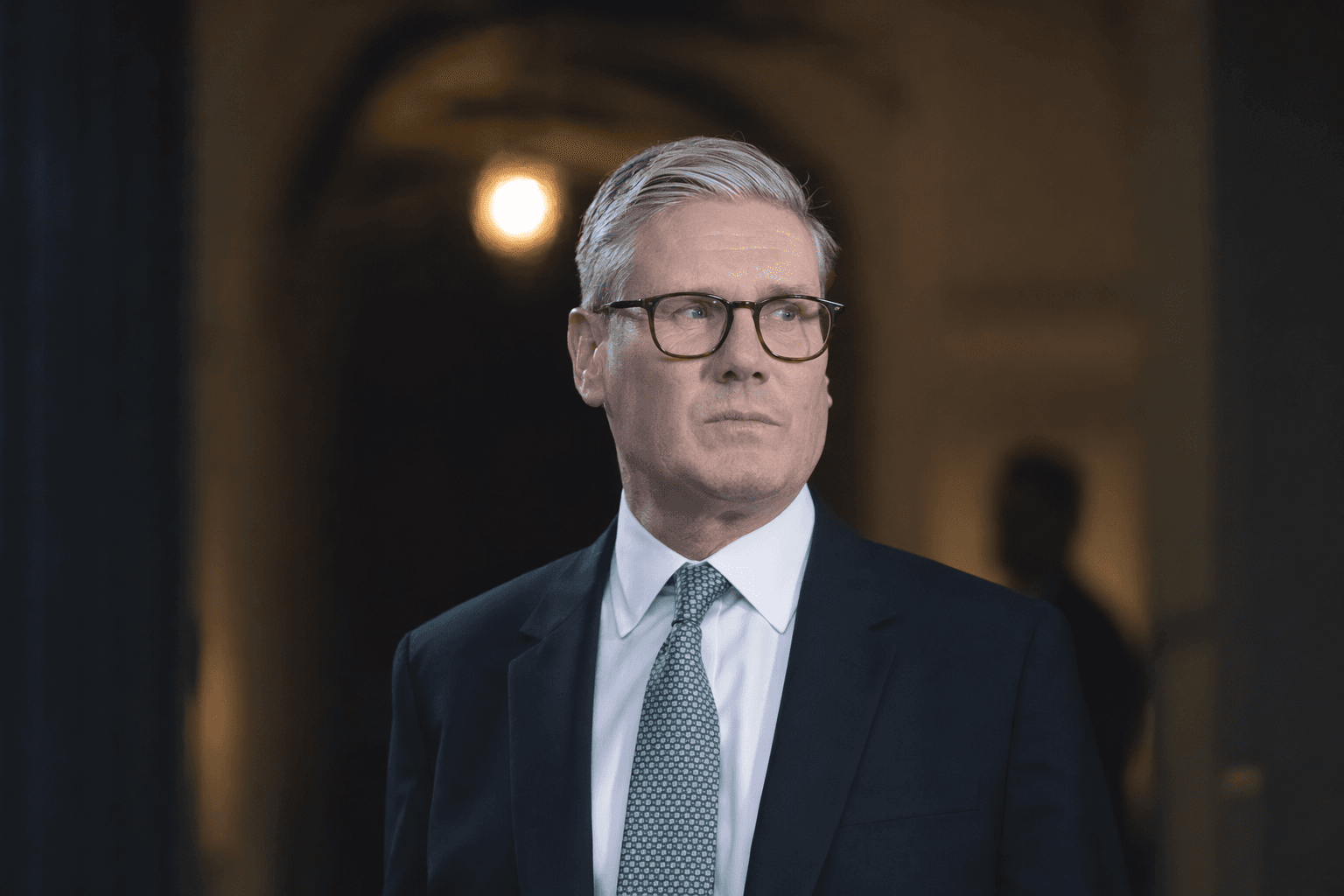
Keir Starmer is trying to project calm, but the pressure inside Labour is no longer a side issue. After the local election losses, Starmer said he was focused on doing his job as prime minister, even as more than 70 Labour lawmakers publicly called for him to quit and four ministerial aides resigned.
The unrest hardened further by May 12, when more than 81 Labour MPs had reportedly written to Starmer asking him to step down, a bloc that represented about 20% of Labour’s MPs in the House of Commons. Starmer told Cabinet he refused to step aside, while Deputy Prime Minister David Lammy tried to contain the damage by saying there would be "no timetable for departure" and that Starmer remained committed to the job. Lammy also called the row a "spectacular own goal" for Labour.
That internal fight came just as the government was preparing for the King’s Speech and the State Opening of Parliament on May 14, 2026, a moment when a prime minister usually wants discipline, not open questions about authority. Instead, ministers including Shabana Mahmood and Yvette Cooper were among those urging Starmer to consider an orderly transition, sharpening the sense that the dispute had moved beyond routine party unease.

The trigger was the May 7 local elections, where Labour went into the vote expecting to lose up to 1,850 councillors and then endured a far heavier political blow. Later tallies showed the party losing about 1,200 to 1,500 council seats and dozens of councils, while Reform UK gained more than 1,300 seats. For Labour, the results were not just disappointing; they were the first major electoral verdict on the party since its 2024 landslide victory ended 14 years of Conservative rule.

The losses were especially damaging in places that have long mattered to Labour’s claim on working-class Britain. In Tameside, Greater Manchester, Labour lost control of the council for the first time in 47 years after losing 14 of the 15 seats it was defending. Reform also made substantial gains in Wigan, Hartlepool and Havering, reinforcing the picture of a party under pressure in its old strongholds.

Starmer has said he intends to serve a full five-year term, but the turmoil has shifted the question from longevity to leverage. When a prime minister spends political capital reassuring his own side that he is simply staying in the job, the problem is not only a noisy rebellion. It is whether the government can still govern while its leadership becomes the story.
This article was produced by Prism’s automated news system from verified source data, official records, and press releases, then run through automated quality and moderation checks before publishing. The system is built and supervised by the people who set the standards it runs under. Read our full AI policy.
Did this article answer your question?

