Starmer quits Labour leadership, vows orderly transition as pressure mounts
Starmer said he would quit Labour leadership but stay on as prime minister, triggering a July contest that could choose Britain’s next leader.
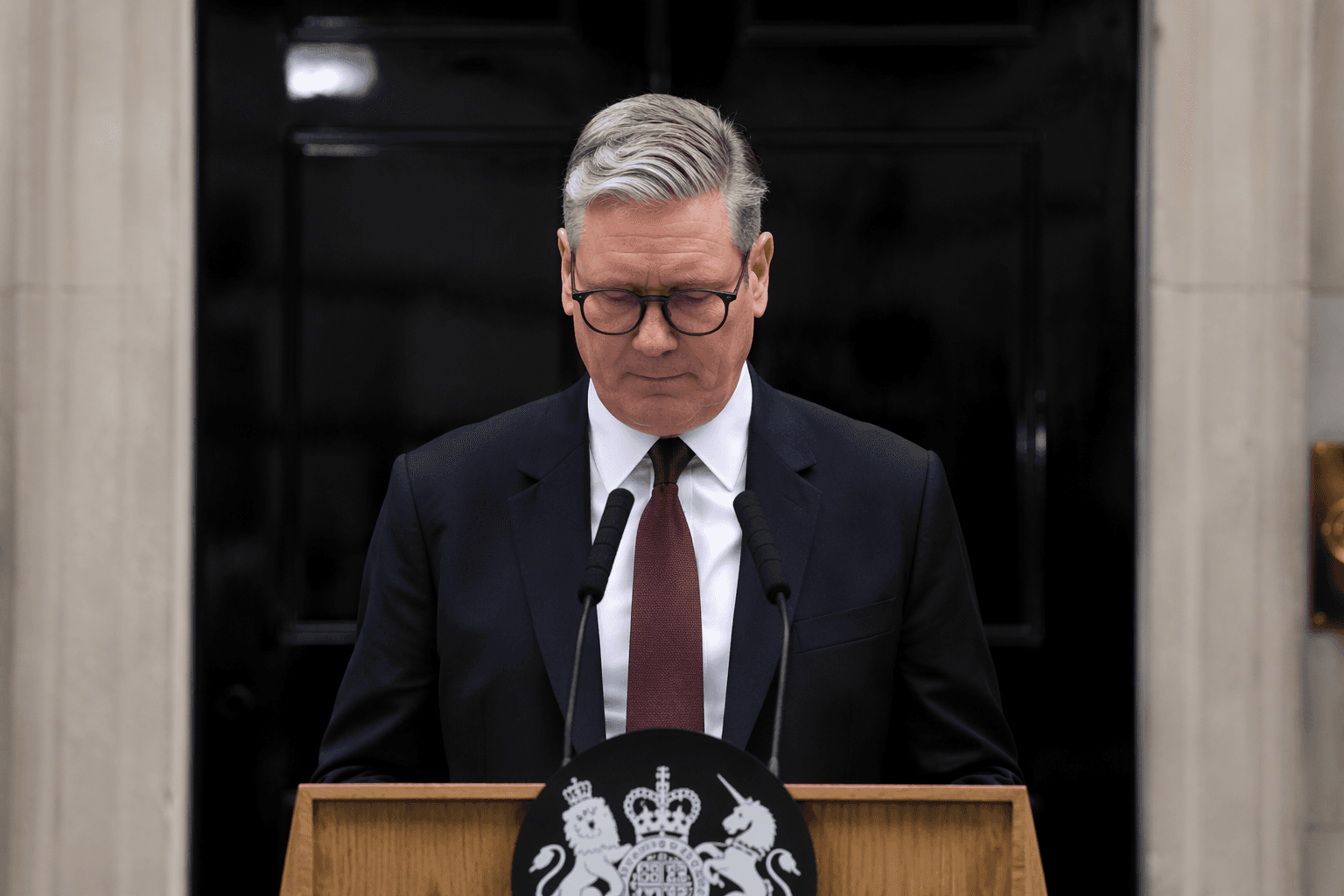
Keir Starmer opened a new period of uncertainty at 10 Downing Street by saying he would step down as Labour leader while staying on as prime minister until the party chooses a successor. The move was designed to avoid a chaotic handover, but it immediately shifted attention to the power vacuum inside Labour, the likely contenders to fill it, and the risk that Britain could be headed for another abrupt change at the top of government.
Starmer’s departure followed heavy Labour losses in the local elections in May 2026 and months of mounting criticism from Labour MPs over his leadership and policy agenda. He said he had heard from his parliamentary party that he was not best placed to lead Labour into the next general election and had accepted that judgment. Less than two years after leading Labour to one of its biggest parliamentary victories in the 2024 general election, Starmer was forced to confront a party rebellion that has now become a fight over who inherits both Labour and, by extension, the premiership.

The timetable now points to a fast-moving contest. Labour leadership nominations were reported to open on 9 July 2026 and close on 16 July 2026, with a new leader potentially in place by September if the process stays on schedule. That means Starmer will remain in office for weeks as a caretaker prime minister, responsible for day-to-day government while party members and MPs settle on his replacement. The central political question is no longer whether he can survive the pressure, but who can assemble a majority inside Labour quickly enough to take over.
Andy Burnham, the former Greater Manchester mayor, has already signalled he will run, and Wes Streeting was reported to be backing him, a sign that the contest may move quickly toward an early favorite. If Burnham consolidates support, he could have a clear path through a leadership race that now carries national stakes far beyond Westminster. Because Labour is in government, the party’s choice will effectively determine the next UK prime minister, turning an internal succession into a decision with immediate consequences for policy, markets and Britain’s diplomatic posture.
The reaction was immediate in financial markets, where sterling weakened and UK government bond yields moved after the announcement. Investors have been rattled by another leadership change after a period of political instability, and any drawn-out contest could feed uncertainty over fiscal policy, regulation and relations with the Bank of England. For allies watching London, the succession now matters as much for foreign policy continuity as for domestic politics, making Starmer’s orderly exit a test of whether Labour can contain the damage while it chooses its next leader.
This article was produced by Prism’s automated news system from verified source data, official records, and press releases, then run through automated quality and moderation checks before publishing. The system is built and supervised by the people who set the standards it runs under. Read our full AI policy.
Did this article answer your question?

