Starmer to water down UK electric vehicle sales targets, papers say
Starmer is set to soften Britain’s EV sales targets, a move seen as a blow to Ed Miliband’s net-zero agenda and a win for carmakers and unions.
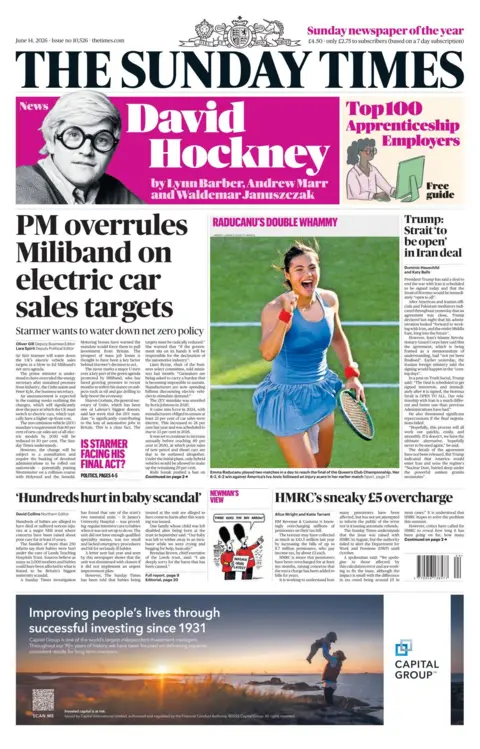
Keir Starmer is preparing to water down Britain’s electric vehicle sales targets, a shift that would hand a victory to carmakers, Unite and business secretary Peter Kyle while opening a new fault line inside Labour over how fast the country should move away from petrol and diesel. The change would also land as a setback for Ed Miliband’s net-zero agenda, turning the ZEV mandate into a test of whether the government prizes industrial pragmatism over climate ambition.
The stakes are high because the Zero Emission Vehicle mandate is not just a symbol, it is the rulebook for Britain’s car market. It currently requires manufacturers to keep raising the share of new zero-emission cars and vans they sell, on a path to 80% of new cars and 70% of new vans by 2030, then 100% by 2035. In April 2025, the government already confirmed the 2030 phase-out date for new petrol and diesel car sales, said hybrids could remain on sale until 2035, exempted small manufacturers and promised to change the mandate so industry could upgrade more easily while still delivering the 2030 commitment.

The political pressure has intensified because the numbers show both progress and strain. The Society of Motor Manufacturers and Traders said new-car registrations rose 7.1% in May 2026, battery electric vehicles reached a 27.3% market share and EV registrations climbed 34.2%. Even so, the industry group said that was still short of the 33% battery-electric target required for 2026, and in March 2026 it argued that the transition pathway was built on over-optimistic assumptions and needed an urgent review.
That warning matters for workers and factories as much as for climate policy. The government has said manufacturers have committed more than £20 billion in UK vehicle manufacturing since the mandate was announced, a sign that the rules have already helped shape investment decisions. At the same time, SMMT says manufacturers have offered £10 billion in discounts over the past two years to keep EVs moving in the market, a reminder that the transition has been propped up by heavy commercial sacrifices as battery costs, high energy prices and weaker demand have kept pressure on sales.
A softened target would ease some compliance pressure on carmakers and may buy ministers time with industry and unions, but it would also risk weakening the certainty that investors need to keep shifting production lines, supply chains and jobs. For consumers, the promise is more flexibility in the short term; the danger is a slower transition and a longer wait before zero-emission cars become the default rather than the premium option. For Starmer, the choice is now stark: defend Labour’s industrial credibility or hold the line on the climate timetable that Ed Miliband has made central to the party’s identity.
This article was produced by Prism’s automated news system from verified source data, official records, and press releases, then run through automated quality and moderation checks before publishing. The system is built and supervised by the people who set the standards it runs under. Read our full AI policy.
Did this article answer your question?

