Starmer unveils £15 billion defense boost for Britain's armed forces
Starmer's £15 billion boost landed beside a £28 billion shortfall warning from Britain’s top brass. The money goes first to drones, munitions and the nuclear deterrent.

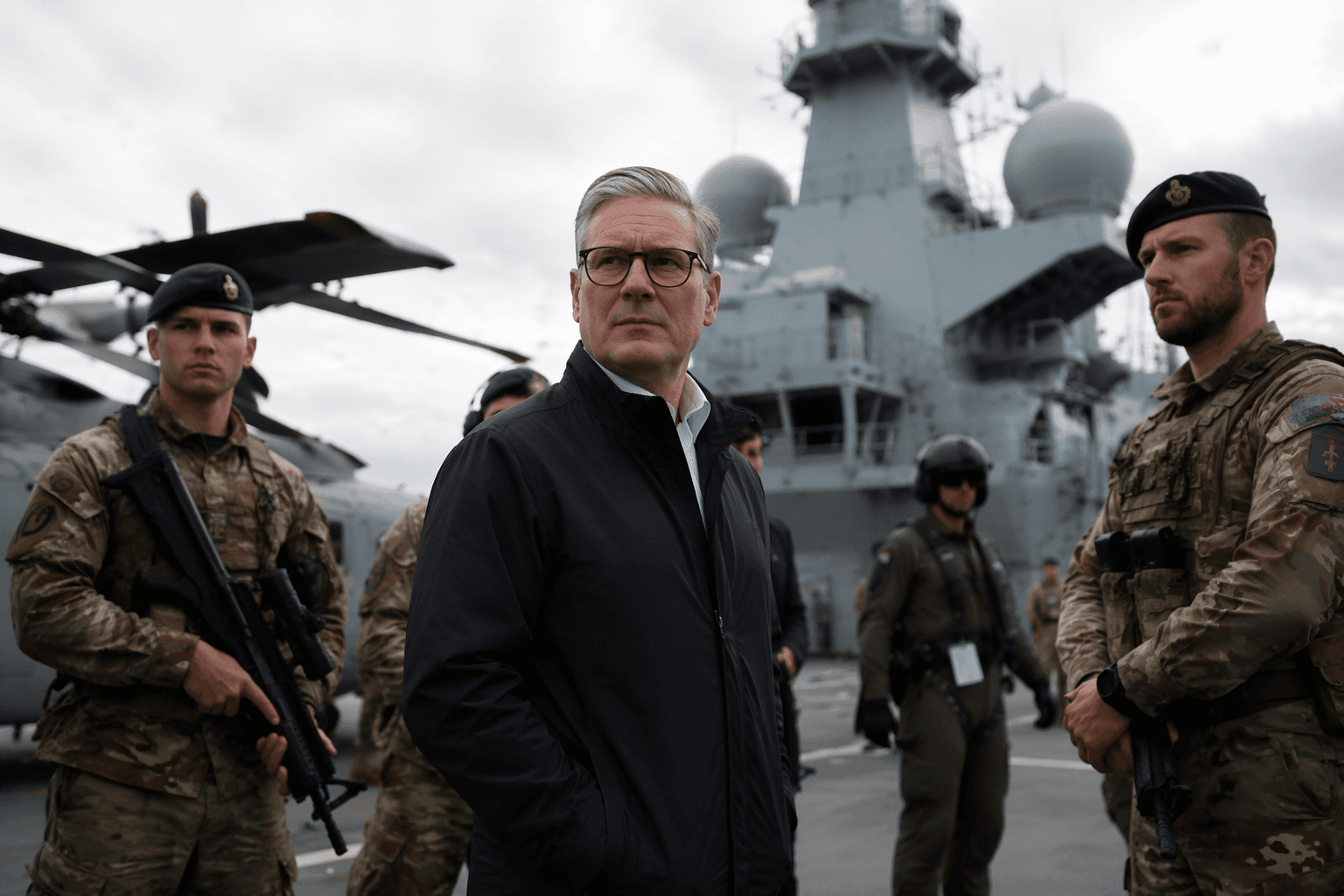
Keir Starmer’s government published a Defence Investment Plan on 30 June, adding £15 billion in new money to a four-year package worth £298 billion. The plan is designed to push Britain’s armed forces toward warfighting readiness, back UK jobs and businesses, and speed investment into drones, autonomy and artificial intelligence.
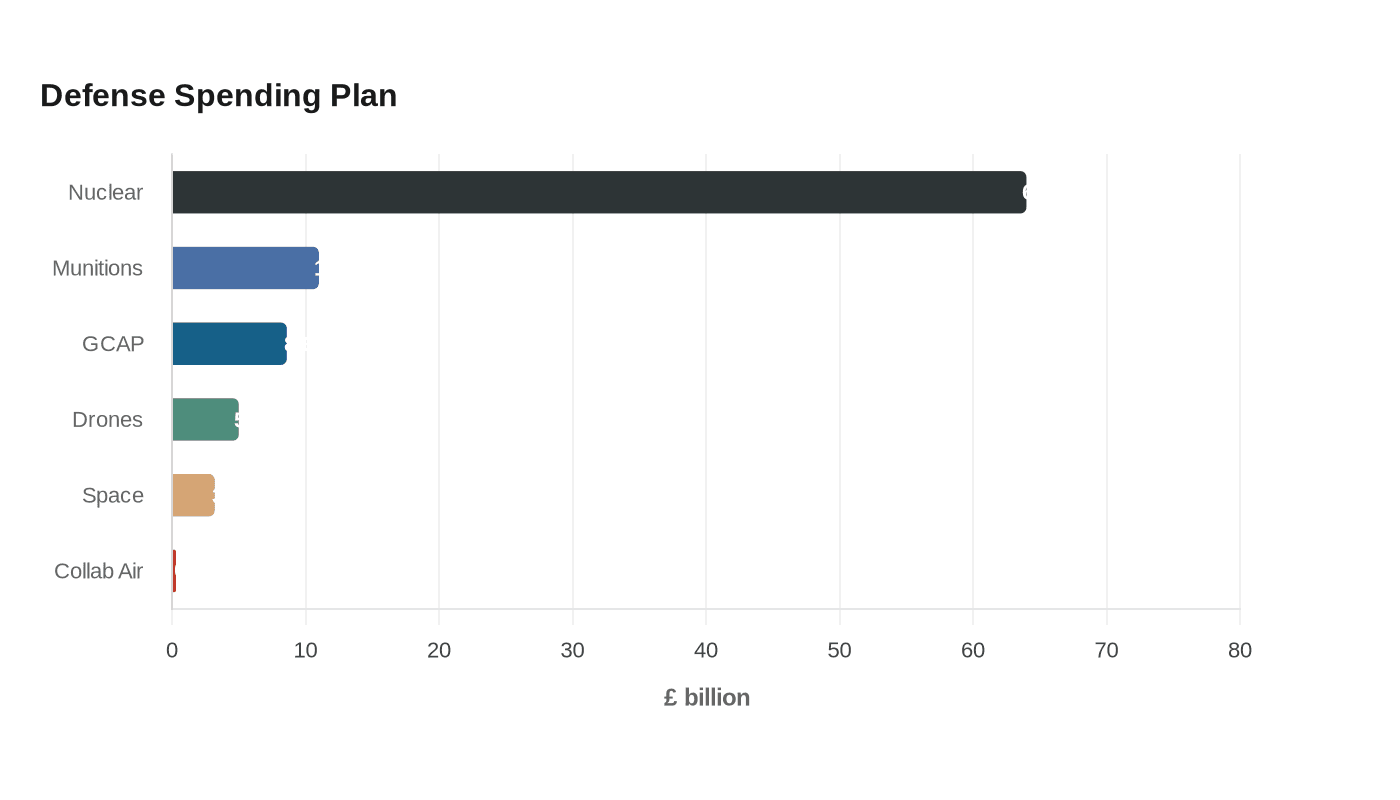
The spending choices show where ministers want the force to change fastest. Rachel Reeves told MPs the extra money covers 2026-27 through 2029-30, with £5 billion for drones and autonomous systems, £8.6 billion for the Global Combat Air Programme with Italy and Japan, £300 million for collaborative combat aircraft, £11 billion for munitions and weapons including at least six new energetics factories, £3.2 billion for space capabilities, and £64 billion for renewing the nuclear deterrent. The government says the package will support nearly 60,000 additional direct and indirect jobs in Britain’s defence sector by the end of the decade.
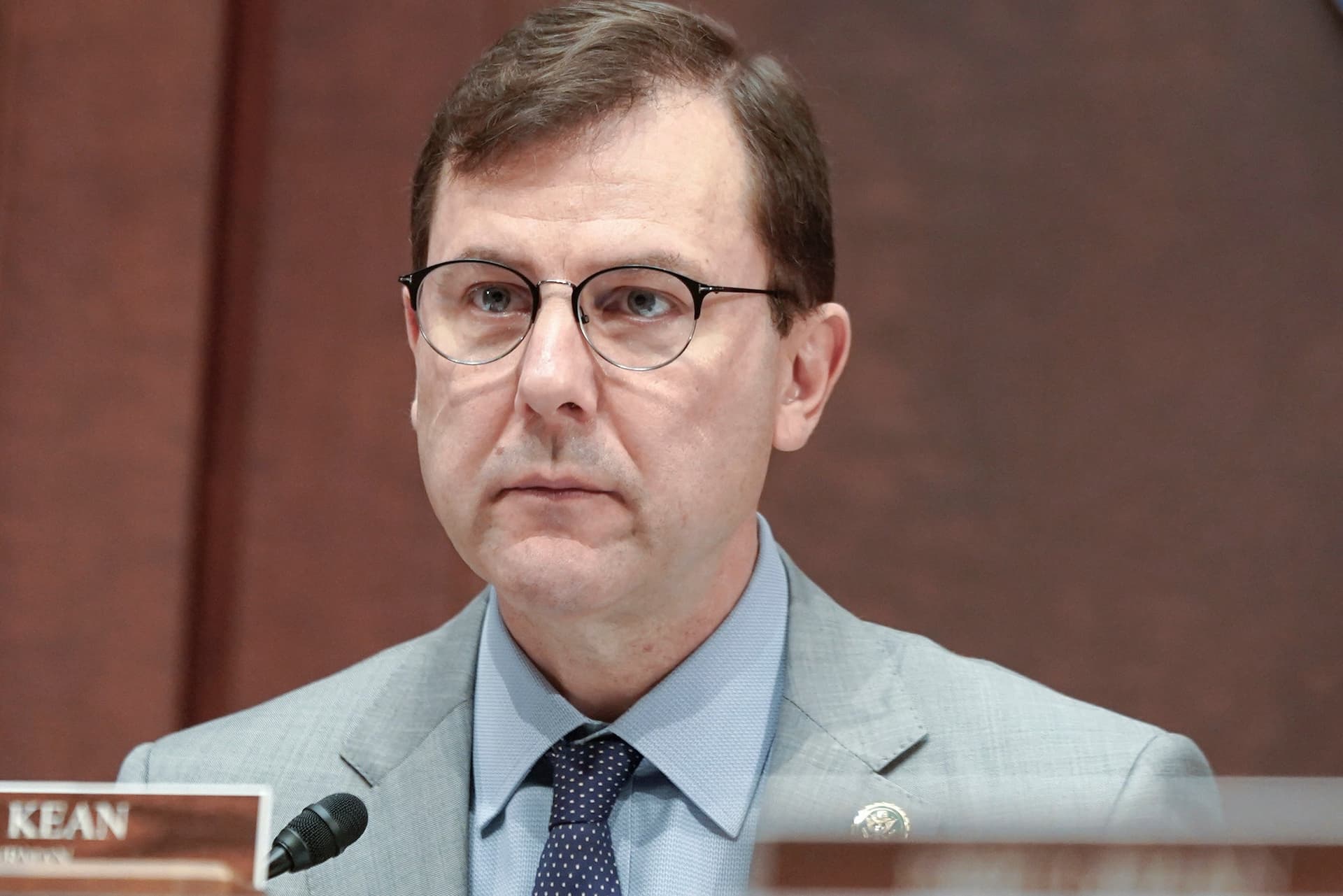
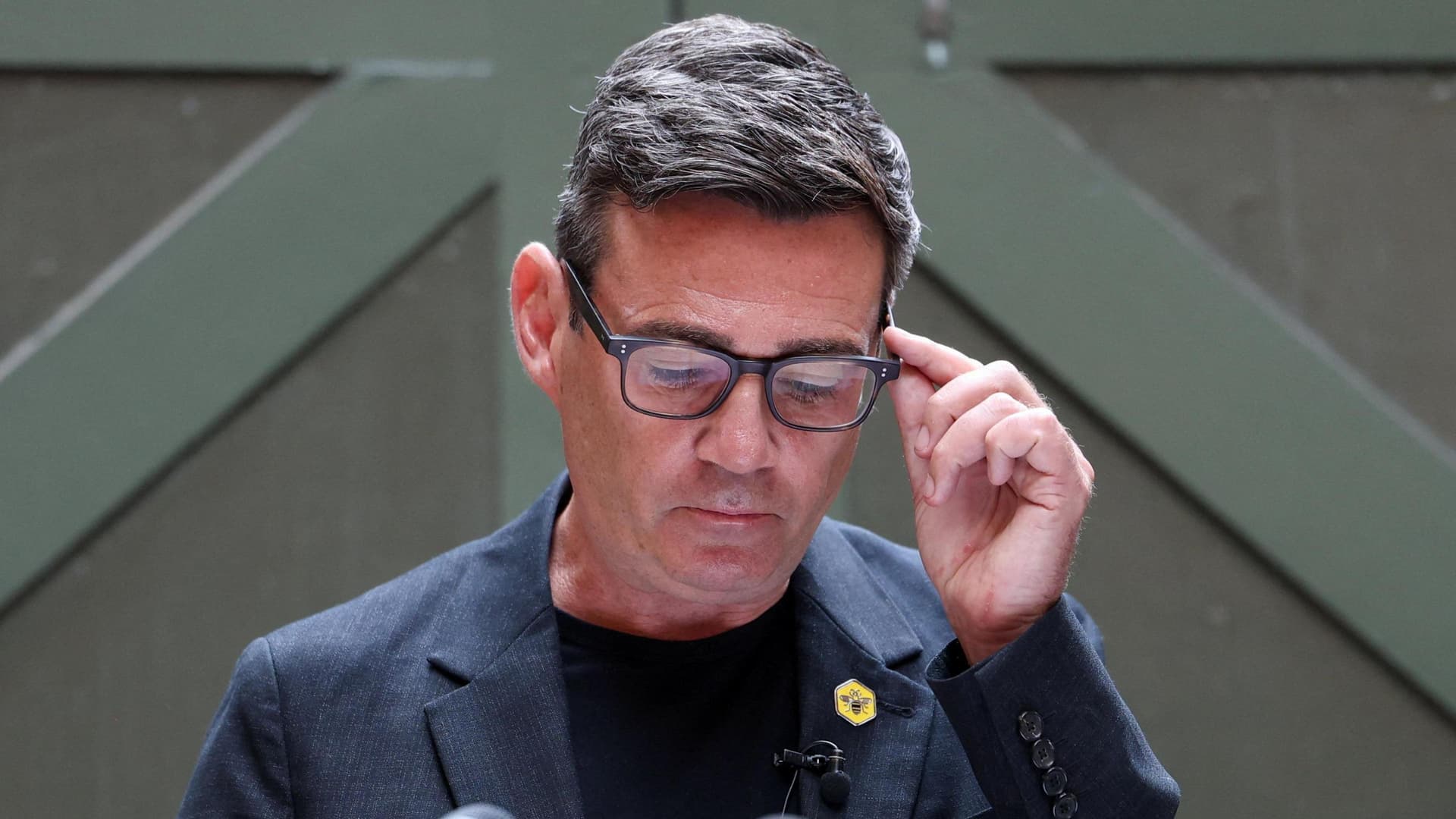
The announcement came after months of pressure from inside the military and sharp political friction at the top of government. Defence chiefs had wanted £28 billion, and Chief of the Defence Staff Richard Knighton warned on 5 June that Britain was running out of time to strengthen its defenses against Russian pressure. John Healey resigned as defence secretary on 11 June, saying the plan “falls well short” of what was required. The dispute exposed the gap between ministers’ promises of modernization and the scale of the capability problems they are trying to fix.
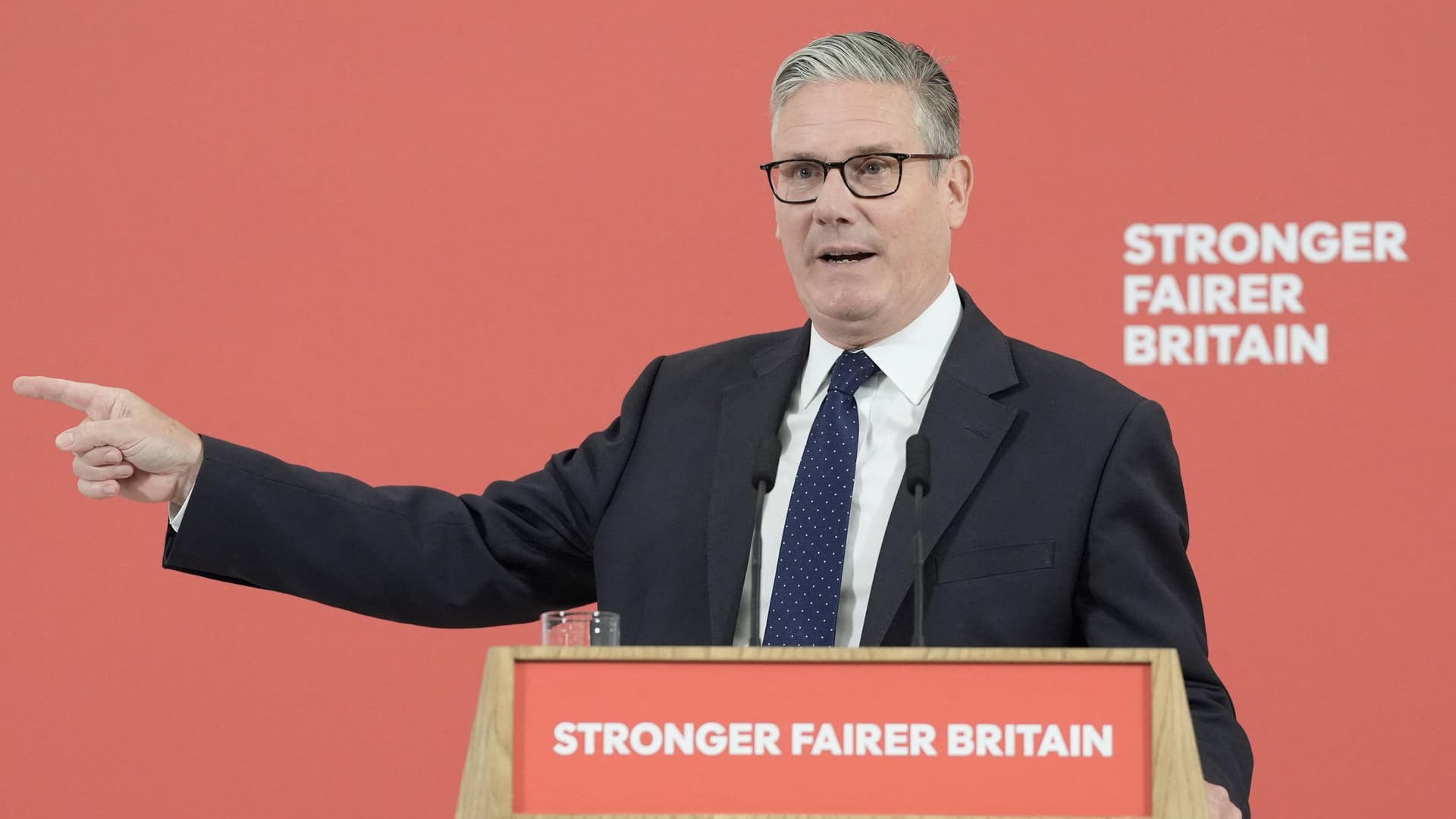
Starmer and Reeves tied the plan to the Strategic Defence Review, published on 2 June 2025 and accepted in full with 62 recommendations. They say the UK will spend 2.7% of GDP on core NATO defence spending from 2027-28 onward, keep a commitment to reach 3% in the next parliament, and work with allies toward 3.5% of GDP by 2035. Starmer has also said new governments could “build” on the blueprint, a signal that the plan is meant to outlast his own political timetable.
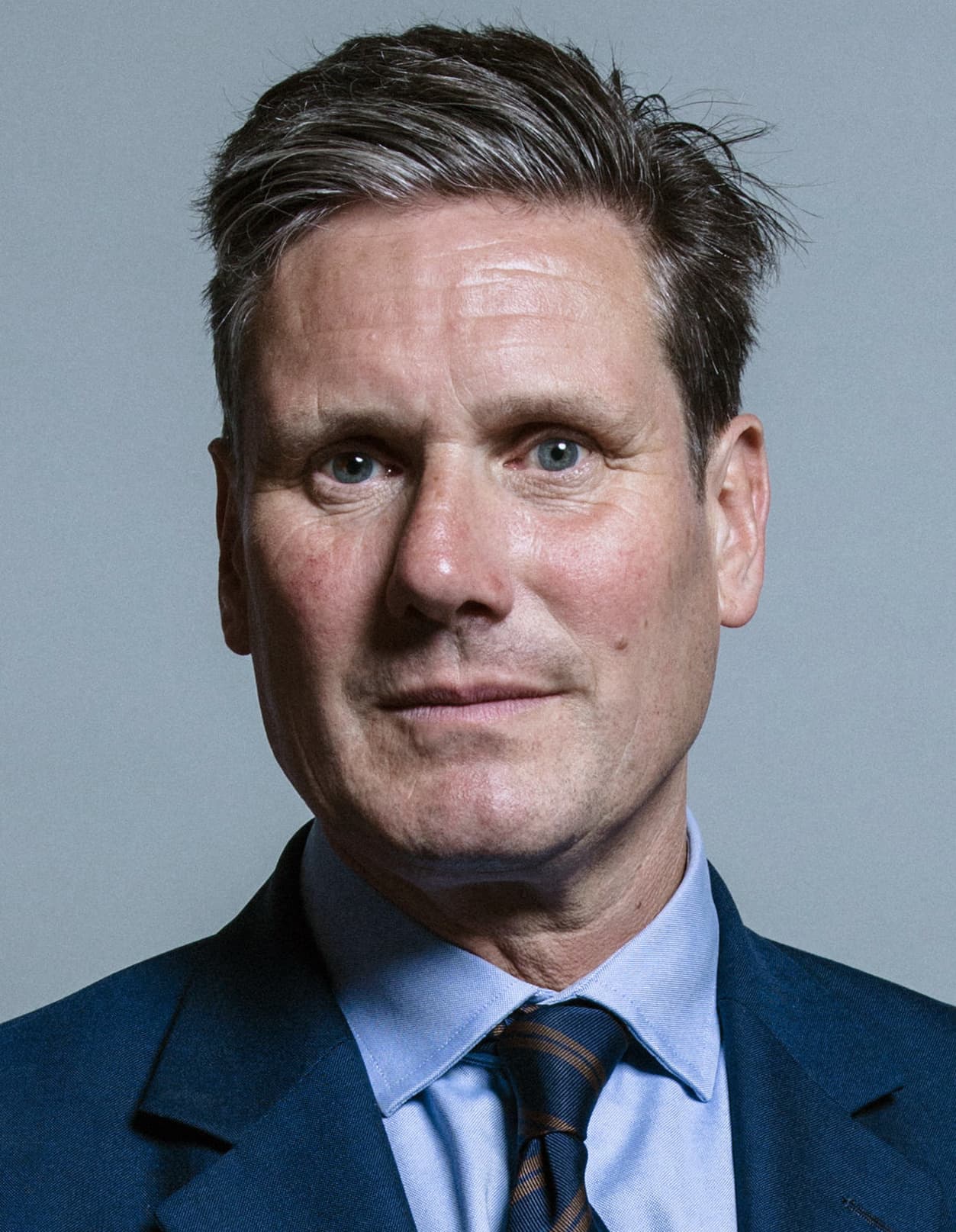
Internationally, Starmer has framed the package as part of NATO burden-sharing and British leadership in European security. He plans to take the investment plan to NATO meetings in Ankara, and NATO Secretary-General Mark Rutte welcomed the increased spending as a good step toward the alliance’s 3.5% goal. The political test now is whether the money arrives quickly enough to close Britain’s readiness gaps, or whether it becomes another large defence pledge that is still waiting to be turned into ships, aircraft, ammunition and usable capacity.
This article was produced by Prism’s automated news system from verified source data, official records, and press releases, then run through automated quality and moderation checks before publishing. The system is built and supervised by the people who set the standards it runs under. Read our full AI policy.
Did this article answer your question?