Starmer vows to fight on as Labour MPs weigh leadership challenge
Starmer said he would not walk away after Labour lost more than 1,400 councillors and control of Wales, as MPs calculated a 81-signature path to a challenge.
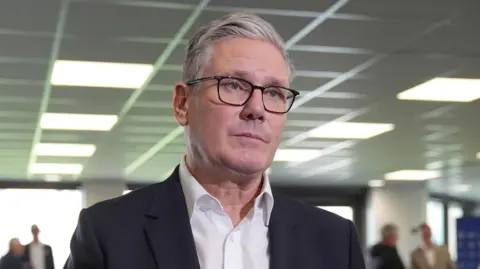
Sir Keir Starmer said he would not “walk away” after Labour’s worst set of local and devolved election losses in years, but the damage to his authority was already driving open talk of a leadership challenge inside his own party.
The losses were severe and geographically broad. Labour shed more than 1,400 councillors in England, suffered its worst result in the Scottish Parliament since devolution in 1999 and lost control of the Senedd in Wales for the first time since devolution began. Those results exposed weakness not just in Westminster but in Labour’s local vote, where council seats and devolved chambers had been treated as the party’s organizational base. By the weekend, the question in London was no longer whether Starmer faced pressure, but what institutional route existed to remove him.
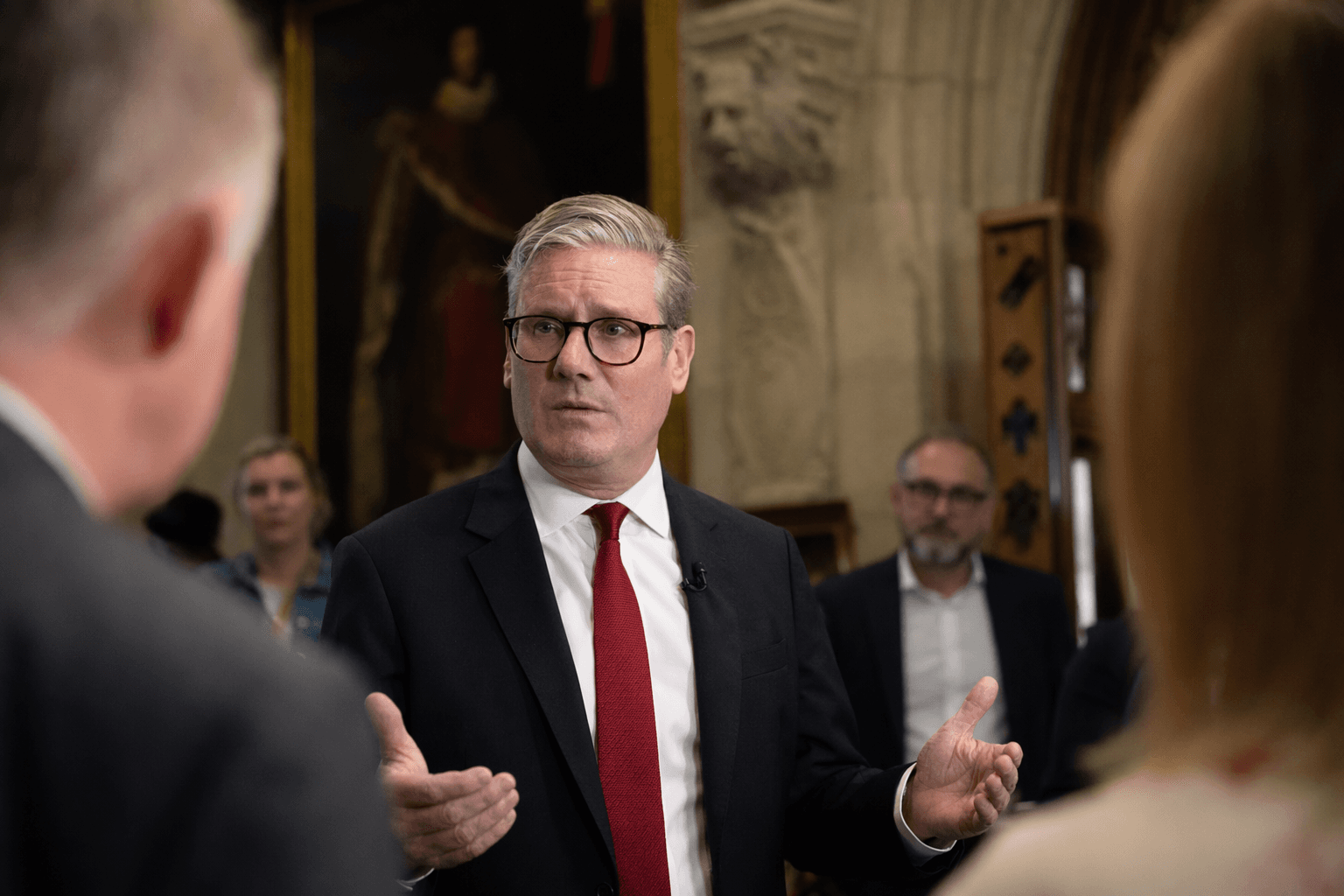
Labour’s rules, changed in 2021, set a high bar for any challenger. A rival would need nominations from 20% of Labour MPs, which meant 81 signatures out of the party’s 405 seats in the House of Commons. If that threshold were met, the sitting leader would automatically be on the ballot, so a contest would not begin with Starmer excluded but with him forced into a head-to-head fight. That structure matters because it gives MPs the power to trigger a contest, but not to quietly install a successor without first testing the incumbent against the wider party machinery.
The pressure on Starmer intensified after the fallout from the Peter Mandelson appointment, which had already raised doubts about his political judgment. No cabinet minister had publicly launched a bid to remove him, but reports said Catherine West had threatened to trigger a leadership contest if the cabinet did not act. Anas Sarwar, the Scottish Labour leader, had already called for Starmer to step down, making him the most senior Labour figure to do so publicly. That combination of parliamentary anxiety and devolved backlash left Starmer exposed to a challenge from above or a continued erosion of support from below.

A formal challenge would not be easy to stage, and history suggests Labour leaders usually survive longer than their critics expect. The last successful formal challenge was more than a century ago, though Hugh Gaitskell, Neil Kinnock and Jeremy Corbyn all faced internal tests, and Tony Blair was forced by party pressure to leave earlier than he wanted. A polling warning added to the sense of fragility: a Sky News and YouGov survey found that half of voters thought Starmer would be replaced as prime minister by the end of 2026. For now, the governing choice in Labour is stark: Starmer can try to stabilise his authority, MPs can assemble the numbers for a contest, or the party can drift into a prolonged crisis that weakens its capacity to govern before any ballot is even called.
This article was produced by Prism’s automated news system from verified source data, official records, and press releases, then run through automated quality and moderation checks before publishing. The system is built and supervised by the people who set the standards it runs under. Read our full AI policy.
Did this article answer your question?

