Starmer's authority questioned as comparisons to Johnson and Truss grow
Starmer's 2024 mandate looks sturdier than the collapses that toppled Johnson and Truss, but Westminster now measures him against the same test: can he still govern?
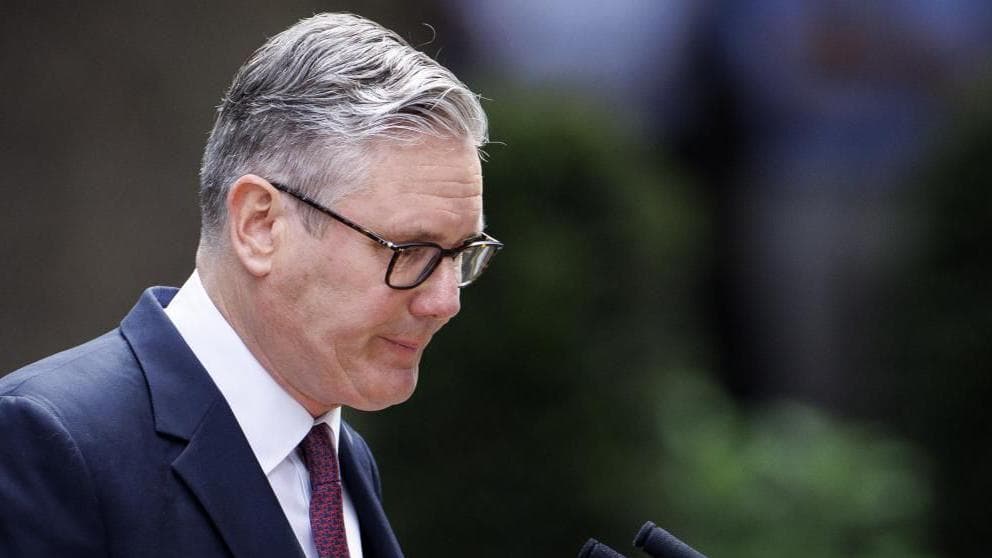
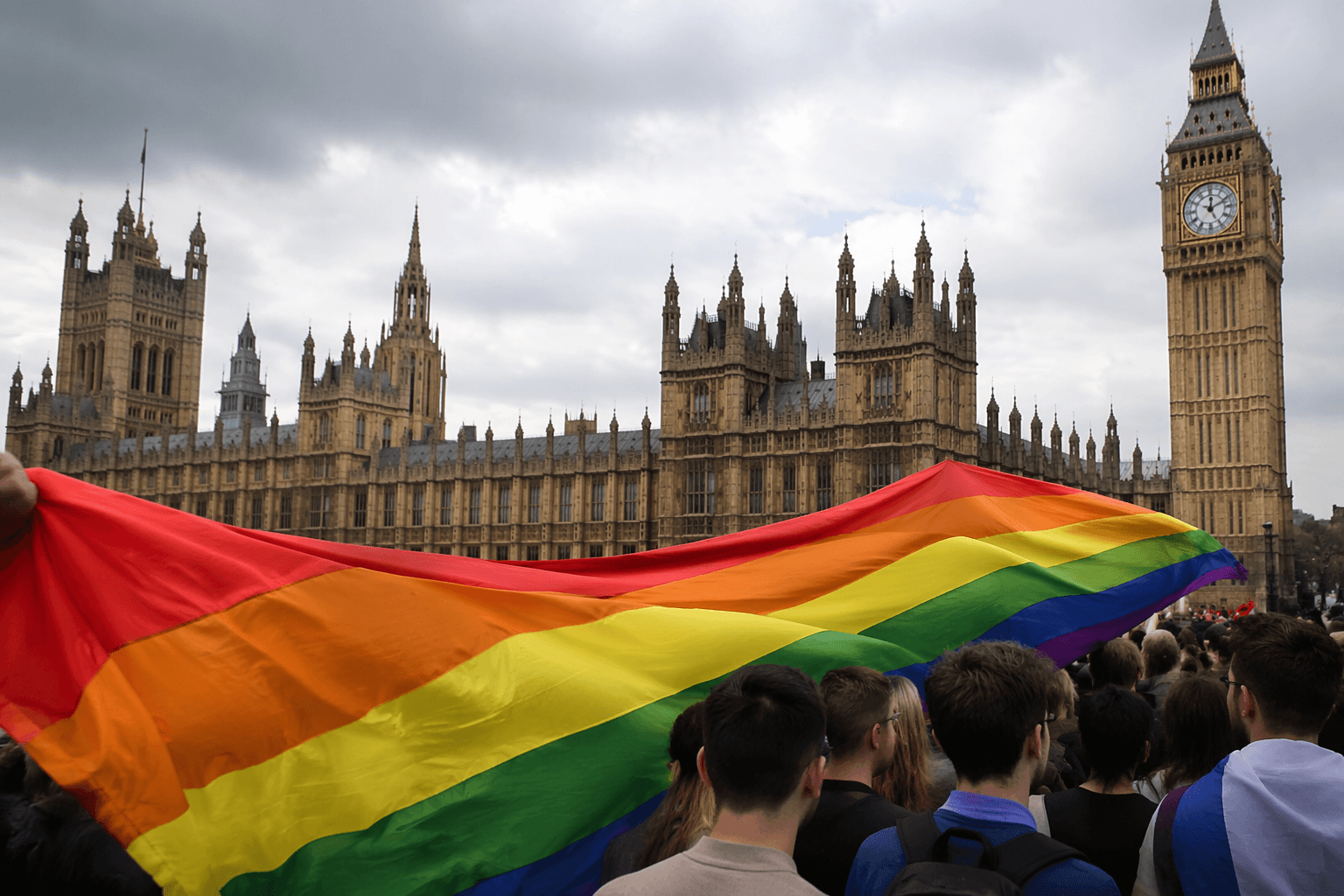
Sir Keir Starmer entered office after Labour won the 4 July 2024 general election and formed a government on 5 July 2024, giving him a mandate that looks far stronger than the endings that overtook Boris Johnson and Liz Truss. That contrast matters in Westminster, where losing the capacity to govern can happen before a prime minister formally leaves office.
In that language, authority is not just about holding the title in Downing Street. It means ministers will stay loyal, MPs will back the leadership, the public will still grant credibility, and the government can keep legislation moving and events under control. Johnson lost those protections during the Partygate and confidence crisis, when mass ministerial resignations and a widening rebellion inside the Conservative Party hollowed out his grip on power. He stepped down as Conservative leader on 7 July 2022 after 48 hours of political chaos.
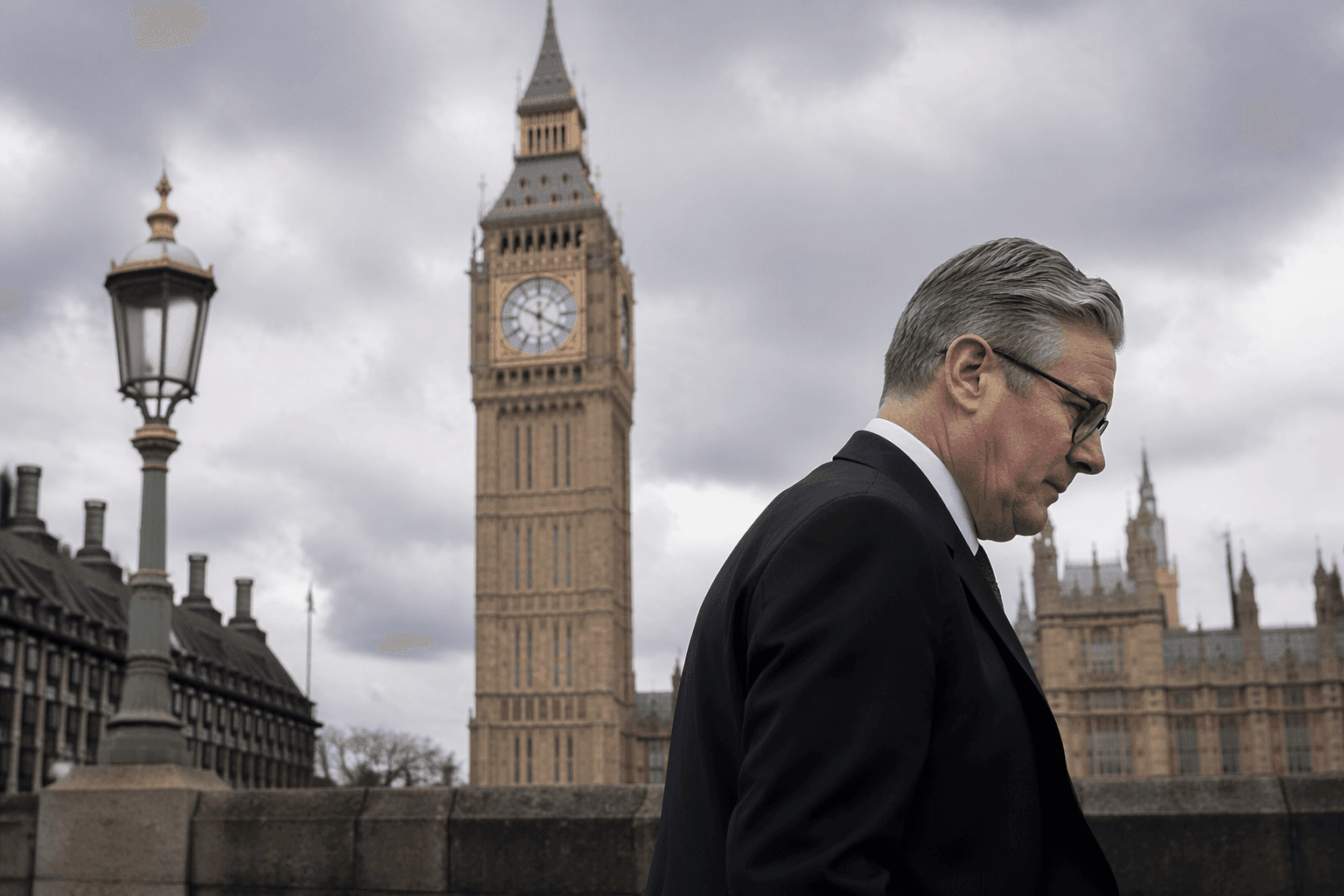
Truss’s collapse came even faster. She became prime minister on 6 September 2022, but the market backlash to her mini-budget shredded confidence in her own party and made her position untenable. She resigned on 20 October 2022 after just 44 days in office, the shortest premiership in British history, and Rishi Sunak took over after her departure.

That history is why comparisons with Starmer carry real weight. A prime minister who has just won a general election is not supposed to be spoken about in the same breath as leaders who had already lost their governing coalition. Yet Westminster politics has repeatedly shown that formal office can outlast real authority by days, weeks or months. Johnson’s downfall was cumulative, built from scandal, resignations and rebellion. Truss’s was driven by the collapse of confidence after her fiscal gamble. Both were undone by the point at which their parties, and then the country, no longer believed they could reliably govern.

Starmer is now being judged against that backdrop. The question in London is no longer simply who sits in Downing Street, but whether Labour can preserve discipline, keep its parliamentary majority stable and maintain public trust before the first signs of governing weakness turn into a full authority crisis.
This article was produced by Prism’s automated news system from verified source data, official records, and press releases, then run through automated quality and moderation checks before publishing. The system is built and supervised by the people who set the standards it runs under. Read our full AI policy.
Know something we missed? Have a correction or additional information?
Submit a Tip