Startup Wyoming launches statewide campaign to map founders
Startup Wyoming launched a campaign to map and support high-growth startups, bringing road tours, working groups and data-driven resources to Albany County founders.
Startup Wyoming, a new initiative from the Wyoming Business Council in partnership with Silicon Couloir, launched on January 12, 2026, with a statewide campaign called “Put Wyoming’s Founders on the Map.” The program aims to identify and support innovation-driven, high-growth startups across all 23 Wyoming counties, and it is designed as a long-term effort to strengthen the state’s nascent innovation economy.
The campaign will create a public, statewide map of startups to make founders more visible to investors, mentors and policy makers. Officials said the program will provide tailored support through specialized working groups, a statewide road tour to engage local communities, and data-driven insights intended to better align existing resources for entrepreneurship. Startup Wyoming also noted it won a U.S. Small Business Administration Growth Accelerator Fund award in 2025, a competitive grant that underpins the effort to scale accelerator services statewide.
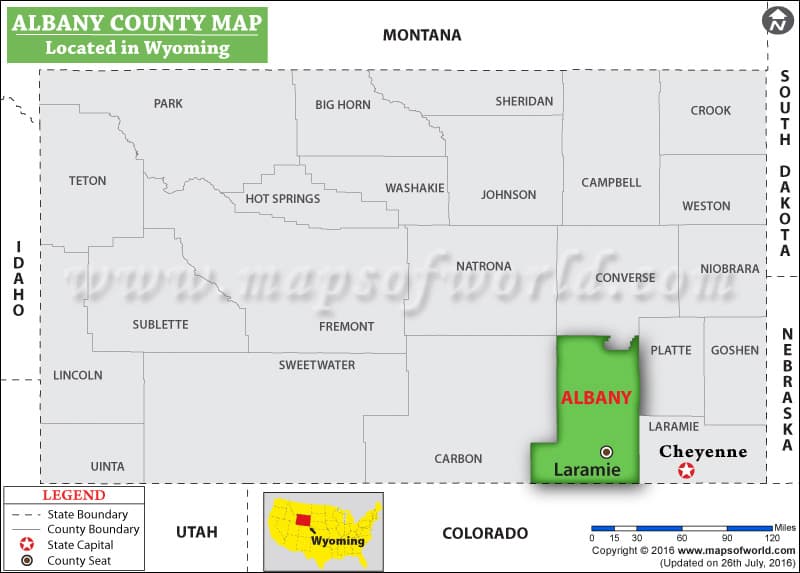
For Albany County, where Laramie serves as the regional hub for business and education, the initiative offers several local implications. The road tour component is intended to bring organizers and resource partners into communities to meet founders directly, translate data into local needs, and surface companies that may otherwise be overlooked. Founders and partners were invited to register and participate under steps laid out in the program release, positioning Albany County entrepreneurs to access capital introductions, mentorship networks and peer learning opportunities.
Economically, the campaign targets a familiar problem in rural states: promising startups can struggle to connect with investors and talent concentrated in coastal hubs. By mapping firms and generating data-driven profiles, Wyoming aims to reduce information frictions that limit venture capital flows and mentor matching. The SBA award signals federal recognition of that strategy and provides seed funding to expand accelerator-style supports beyond a single city or cluster.

Market implications include the potential to attract outside capital and to help existing local businesses scale into higher-growth models. Over time, better visibility for Wyoming startups could encourage follow-on investments, create skilled jobs in places like Albany County, and diversify revenue away from oil, gas and agriculture dependence. These outcomes will depend on execution: the quality of the data, the effectiveness of working groups, and the ability of the road tour to translate meetings into tangible support.
What comes next for readers is practical: watch for Startup Wyoming’s registration and road tour announcements, consider signing up if you run a startup or support entrepreneurs, and track how the statewide map changes the local fundraising and mentorship landscape. If successful, the program could make it easier for Albany County founders to be discovered, connected and scaled.
Sources:
Know something we missed? Have a correction or additional information?
Submit a Tip