State budget shortfall dominates Idaho Legislature’s opening week
Lawmakers opened the Idaho Legislature focused on a multi-hundred-million-dollar shortfall and the governor's budget; Kootenai County schools and services could feel the impact.
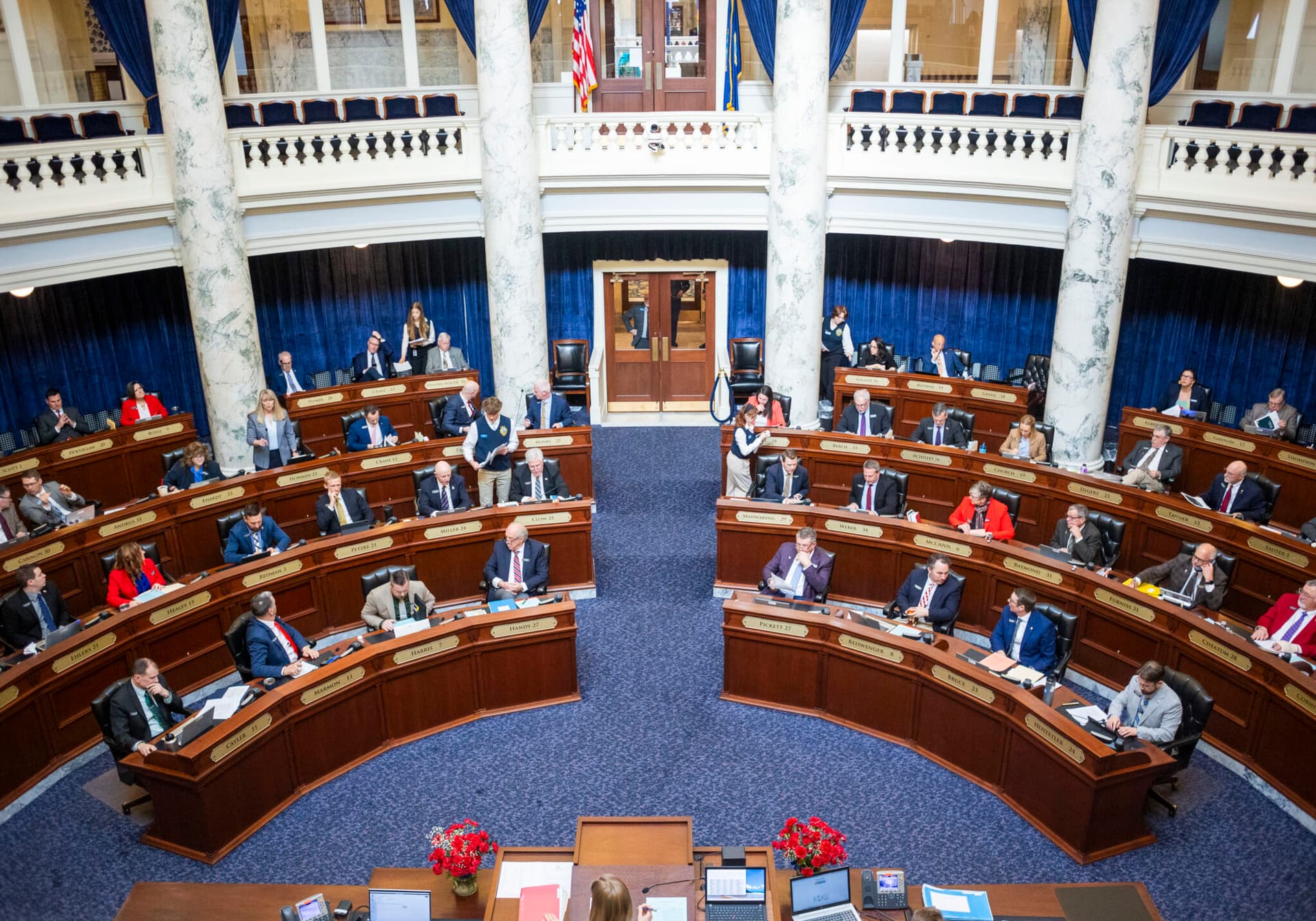
The Idaho Legislature opened its 2026 session Jan. 12 with a single issue setting the pace: a projected multi-hundred-million-dollar revenue shortfall that will shape decisions in the months ahead. The governor's budget presentation and initial committee activity framed the size of the gap and pushed budget debates to the top of the docket, leaving major new policy initiatives on hold for now.
Budget writers, most notably members of the Joint Finance-Appropriations Committee, set an aggressive review schedule to examine agency budgets and identify options to close the gap. That focus put spending reductions and one-time measures at the center of planning, rather than broad new programs or long-term investments. JFAC's timetable makes it the pivot point for any cuts or reprioritization lawmakers will adopt as the session progresses.
Few major policy bills advanced in the opening week. Lawmakers used early committee hearings largely to preview issues and to begin budget scrutiny, rather than to move controversial proposals to the floor. That procedural posture reflects constraint: with a large revenue shortfall, leaders signaled they would prioritize balancing the current budget before committing to significant new spending.
Education funding emerged as a primary local concern because K-12 spending accounts for a substantial share of the state budget. Leaders indicated K-12 funding will receive special attention as the budget debate unfolds. For Kootenai County, that attention matters for Coeur d'Alene and Post Falls school districts and for rural districts outside the urban corridor. Choices at the state level could affect classroom staffing, special education support, transportation services, and timing of capital projects that local boards have planned around expected state contributions.
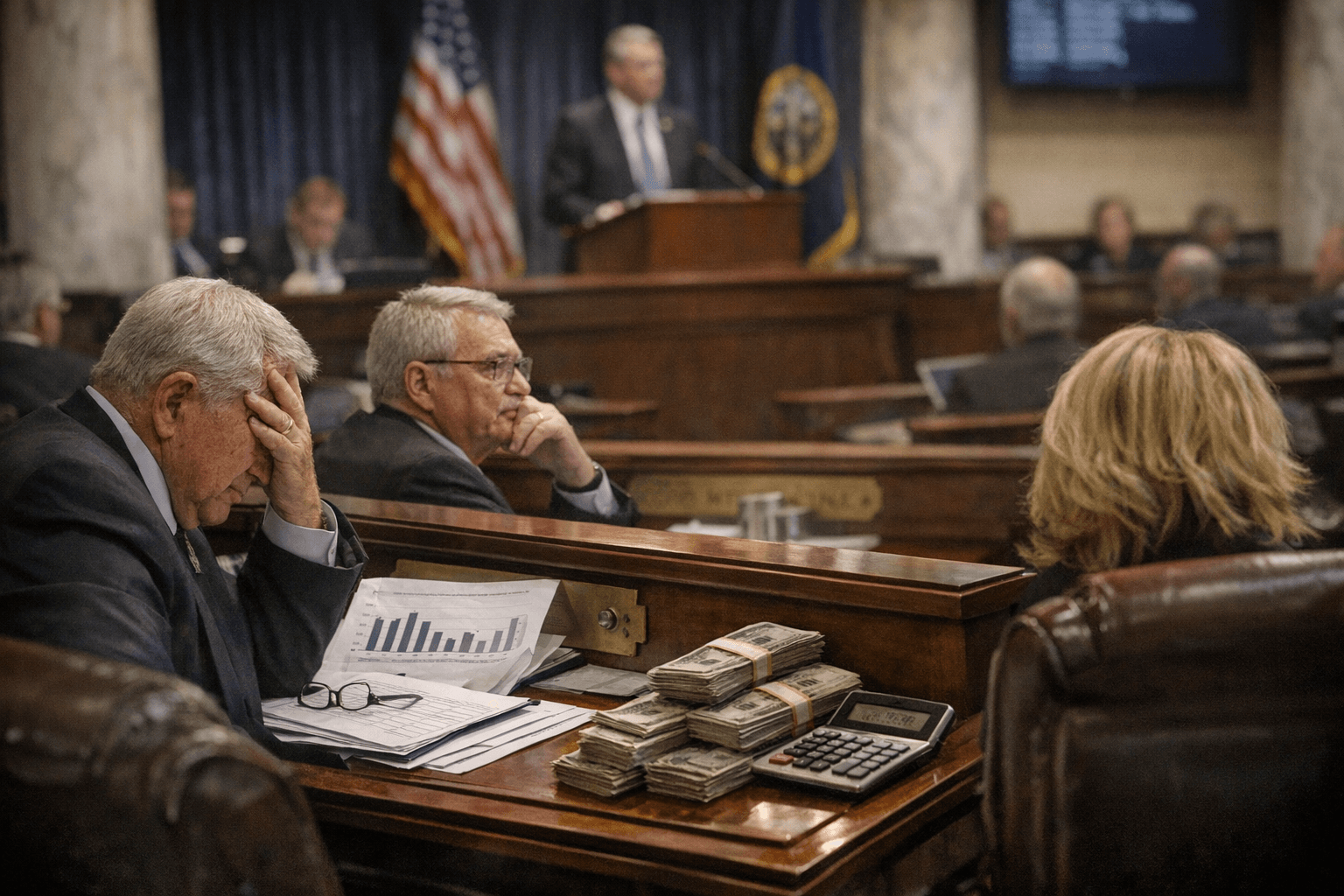
The broader political environment adds another layer of pressure. All 105 legislative seats are up for election in 2026, and that calendar could influence both the timing of votes and the willingness of lawmakers to adopt politically sensitive cuts. Budget choices made this winter will play in campaigns this fall, shaping messaging and priorities across the state and here at home.
For Kootenai County residents, the coming weeks are when the hard decisions will occur. JFAC hearings and agency budget reviews will determine whether the state relies on recurring cuts, one-time fixes, or a mix of both. Residents should track the committee schedule, follow local school board discussions as they respond to state signals, and contact their legislators to express priorities. The outcome will set the contours of local services and school funding for the next year and could leave lasting effects on county programs and capital plans.
Sources:
Know something we missed? Have a correction or additional information?
Submit a Tip