State public-health guidance outlines safety rules for cold plunges
Washington State classifies cold plunges as regulated spa pools, spelling out operations, staff training, and testing issues that affect operators and anyone using cold-water immersion.
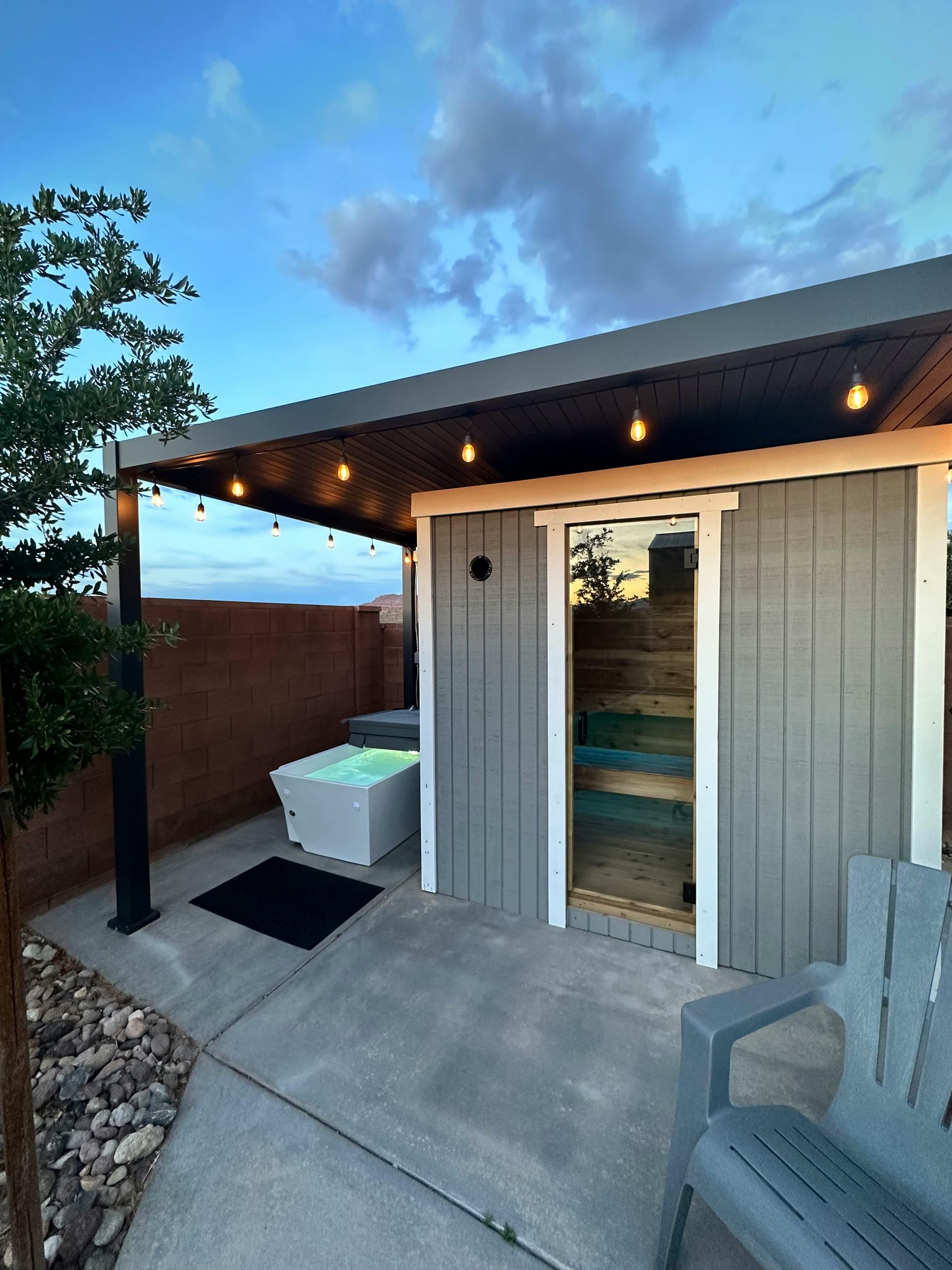
Washington State health guidance treats cold plunges as regulated spa pools and lays out concrete safety and operational rules for facility operators. The Washington State Department of Health defines cold plunges as “any artificial basin or other structure containing cold water, typically 10-15°C or less than 59°F, used or intended to be used for recreation, relaxation, or cold water immersion (CWI).” Because of that classification, operators must follow existing spa pool rules and maintain a written operations plan.
The DOH requires that “owners must have a written operations plan addressing facility and personnel components listed in WAC 246-260-131(1).” The plan must explain how the cold plunge and physical facility will be maintained, identify the water treatment operator, and include “considerations for how users will be informed on how to use and of the risks of cold plunge use, i.e., waiver, signage, etc. should be included.” Given the documented risks, the plan also must address emergency readiness: “Due to the increased risk of injury and drowning from cold water shock, the operations plan should include details for how staff will be trained to recognize emergencies and monitor the area during operational hours.” The guidance further directs operators to post additional spa pool rules at the plunge and to check test kit manufacturer instructions for temperature limits: “Consult your test kit manufacturer’s website or instructions for their recommended temperature range when testing.”
Public-health reviewers and practitioners note tensions operators will face on the ground. Wellness providers describe typical therapy temperatures as lower than some test kits’ operating ranges. AlteredStatesWellness notes that “cold plunge therapy involves immersing the body, typically up to the neck, in cold water, often between 39°F to 55°F,” and urges medical screening: “It’s important to check with your healthcare provider before starting cold exposure, especially if you have cardiovascular conditions, circulation disorders, or are pregnant.” At the same time, a national public-health review points out that many common test kits and procedures require higher water temperatures, which can complicate routine water-quality monitoring.
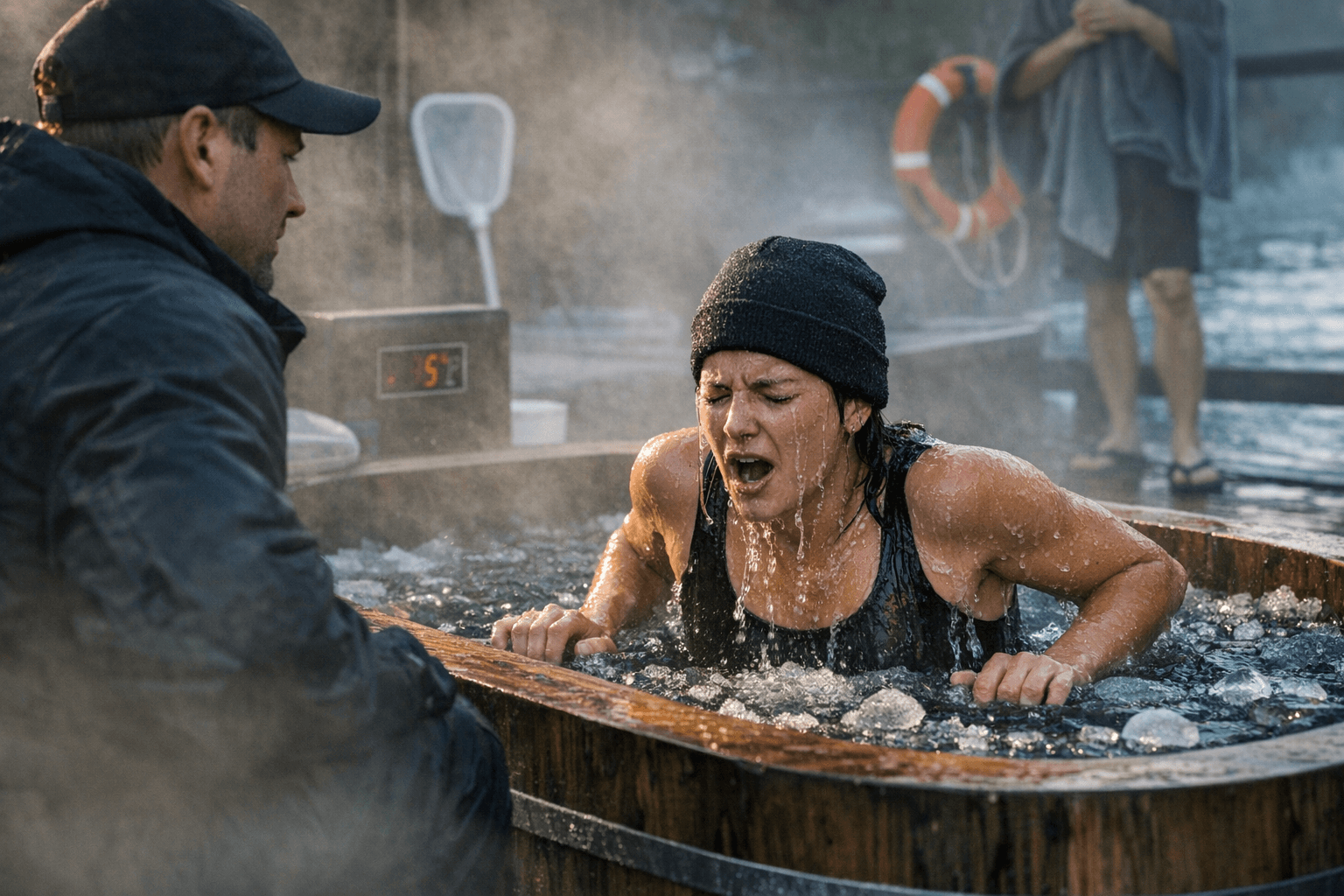
Regulatory coverage varies by jurisdiction. The National Collaborating Centre for Environmental Health found that “only one guideline from California was found that contains some general requirements for cold plunge tank environments.” California’s plan-approval requirements quoted by that review set explicit limits: “The maximum size is 49 square feet,” “the maximum depth is 4 feet,” the cold plunge must be paired with a hot spa and “must have a refrigeration system or other means to cool the water,” recirculation must meet hot spa standards, and the “turnover rate of cold plunge pools [is] one hour or less.” The review catalogues the main hazards operators must manage: “waterborne pathogens, sudden physiological response to the cold such as heart attacks and muscle failure, slips and falls, and suction and entrapment risks,” and it cautions that “cold temperatures also lower disinfect effectiveness.”
For operators and regulars, the practical implications are clear: update written operations plans, post risk signage and waivers, verify staff training and emergency equipment, and reconcile water testing methods with cold temperatures. Facilities that pair plunges with saunas or contrast therapy should confirm filtration, refrigeration, and recirculation meet local spa-pool standards. Expect more jurisdictions to follow Washington or California with specific rules as cold-plunge offerings expand; until then, follow DOH guidance, consult equipment manufacturers for test-kit limits, and screen users with medical cautions in mind.
Know something we missed? Have a correction or additional information?
Submit a Tip