States and District Challenge USDA Guidance Narrowing SNAP Immigrant Access
Attorneys general from 21 Democratic led states and the District of Columbia sued to block Agriculture Department guidance they say would wrongly exclude refugees, asylees and certain humanitarian parolees from food assistance. The move raises immediate public health concerns for millions and tests federal authority over program eligibility.
Attorneys general from 21 Democratic led states and the District of Columbia filed suit in federal court in Eugene, Oregon on Wednesday seeking to block U.S. Department of Agriculture guidance that they say improperly narrows Supplemental Nutrition Assistance Program eligibility for refugees, asylees and certain humanitarian parolees. The challenge came less than a month after the USDA issued the guidance on October 31, 2025, creating urgency for state agencies that administer SNAP benefits.
The states argue the guidance goes beyond the text of federal law by treating those groups as permanently ineligible rather than recognizing that they may become eligible if and when they adjust to lawful permanent resident status and meet program rules. New York Attorney General Letitia James said the guidance would arbitrarily cut people off from benefits. The lawsuit contends the USDA lacks authority to rewrite eligibility standards through guidance and that the directive forces hurried operational changes at the state level or risks penalties.
SNAP serves about 42 million low income Americans, and advocates warned that narrowing eligibility for some noncitizen groups could deepen food insecurity among people already facing legal and economic instability. Public health experts note that reductions in nutrition assistance are associated with worse diet quality, increased risk of chronic disease, and higher rates of emergency care use. Those downstream health and fiscal consequences are likely to fall hardest on communities of color and newcomers who already experience barriers to care and social supports.
State agencies said the guidance required rapid reinterpretation of records and could prompt denials or terminations of benefits for households with mixed immigration statuses. Administrative staff faced the prospect of re screening existing caseloads while managing routine enrollment and recertification workloads. The plaintiffs framed those operational challenges as not merely logistical matters but as questions of statutory authority and federal overreach that impact people's access to basic needs.
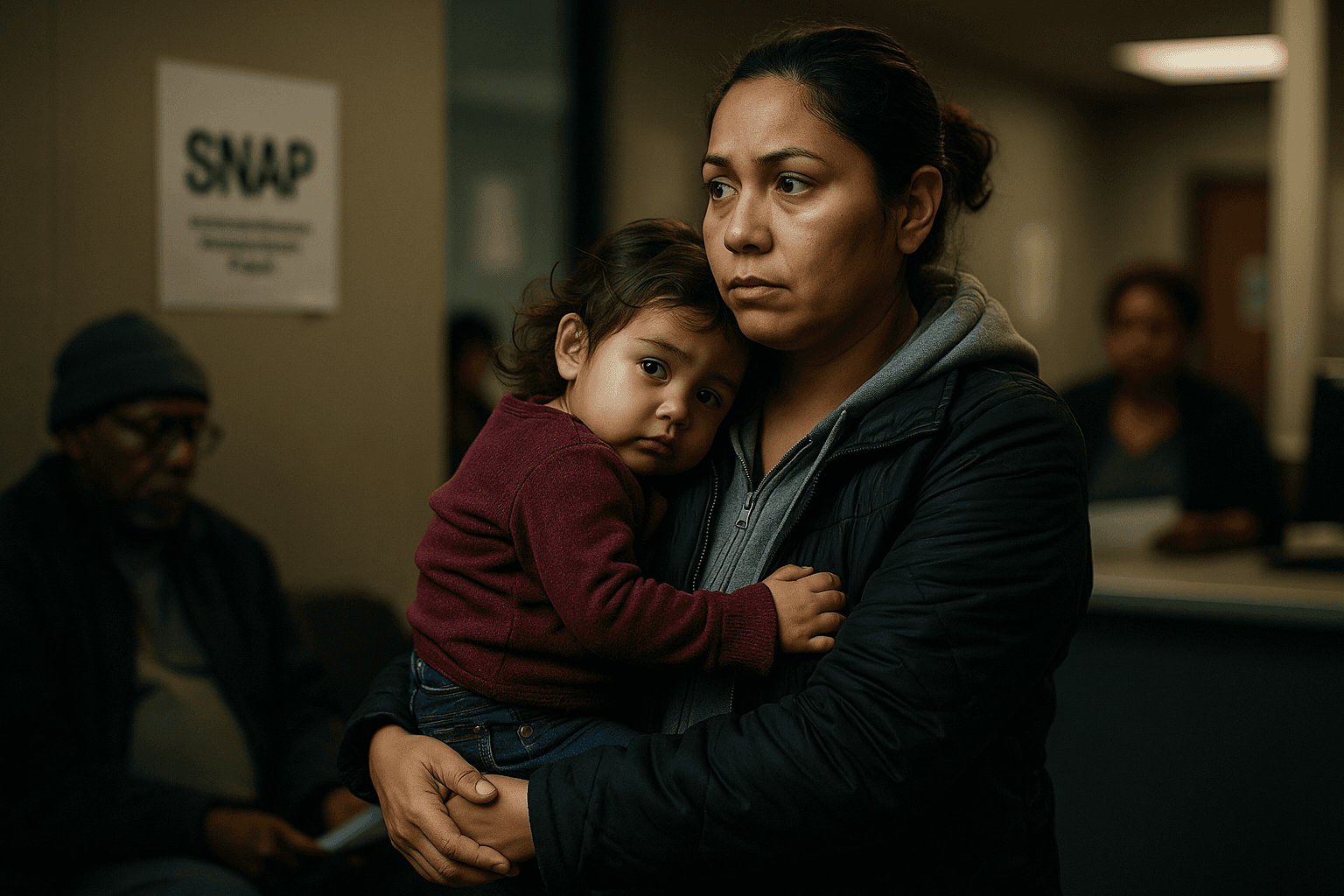
The dispute also reflects broader tensions between immigration policy and the social safety net. SNAP has long included complex rules for noncitizens, often linked to immigration status and waiting periods. Legal advocates have criticized moves that reduce program access as contrary to Congress intent and harmful to public health, particularly for children and pregnant people. State officials in the complaint argued that the USDA interpretation would create arbitrary categories of permanent ineligibility that Congress did not establish.
If a court blocks the guidance, states would likely continue processing benefits under existing interpretations while the litigation proceeds. If the guidance is upheld, the decision could lead to widespread changes in who receives food assistance and how states document eligibility. For communities, the practical effects would be immediate. Food banks and local health providers are bracing for increased demand if households lose SNAP benefits, a scenario that would strain already stressed safety net systems.
The case will test not only the legal boundaries of administrative guidance but also the capacity of federal and state systems to protect public health and social equity in the face of shifting policy on immigration and benefits.
This article was produced by Prism’s automated news system from verified source data, official records, and press releases, then run through automated quality and moderation checks before publishing. The system is built and supervised by the people who set the standards it runs under. Read our full AI policy.
Did this article answer your question?