States challenge EPA rollback of tap-water limits on PFAS chemicals
States are pressing EPA to keep tap-water limits on four PFAS, warning rollback could shift cleanup costs and safety decisions onto utilities and families.
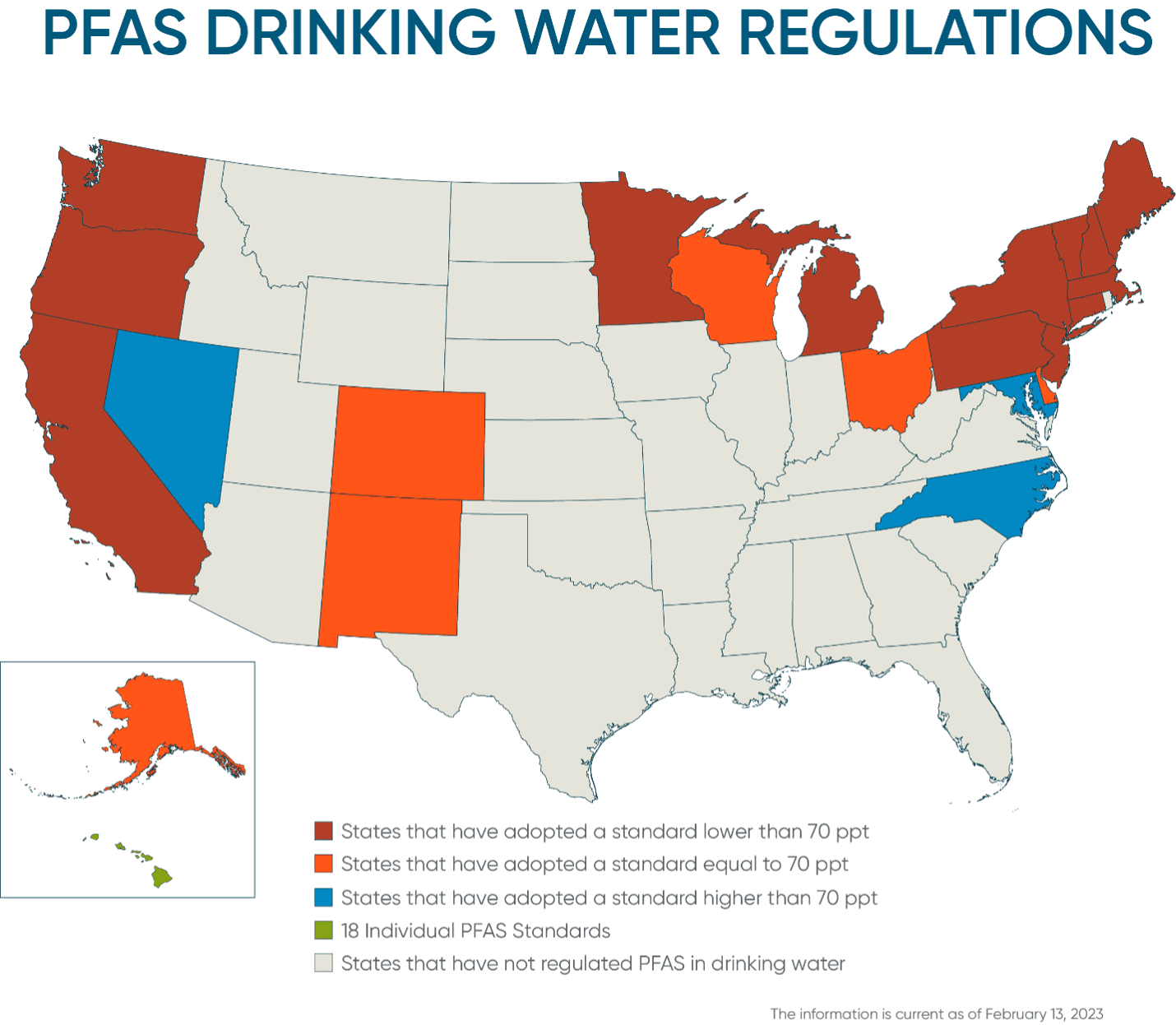
A coalition of states challenged the EPA’s plan to roll back tap-water limits for four PFAS chemicals, escalating a fight over who sets the floor for drinking-water safety in the United States.
The dispute centers on PFHxS, PFNA, HFPO-DA, also known as GenX, and a mixture of those three PFAS plus PFBS. EPA proposed on May 20 to rescind the regulatory determinations and related provisions for those chemicals, and published the action in the Federal Register under docket EPA-HQ-OW-2025-0654. Public comments were scheduled to close July 20, with a virtual hearing on the rollback set for July 7, while EPA also pursued a separate rule to extend compliance time for PFOA and PFOS drinking-water standards.
The stakes reach beyond one set of chemicals. PFAS are persistent man-made compounds used for decades in firefighting foam, nonstick coatings, food packaging and industrial applications, and researchers have linked exposure to cancers, liver damage, reduced immune response and developmental harm in children. The Biden administration finalized the first national drinking-water standards for PFAS in April 2024, setting maximum contaminant levels for PFOA and PFOS at 4 parts per trillion. EPA has said those two limits would remain in place even as it moved to rescind the standards for the other four PFAS.
Environmental and public-health advocates say the federal standards matter because they give utilities a clear target for testing and treatment. Without that certainty, water systems can be left guessing how much to invest in filtration, how aggressively to keep sampling wells and reservoirs, and how to explain changing risk to residents who rely on the tap every day. The issue carries a direct cost for ratepayers, since treatment upgrades for PFAS can mean higher utility bills, especially for small systems that have fewer customers to spread the expense.
Earthjustice submitted comments on July 20 opposing the rescission proposal, and Democratic attorneys general in 19 states also lined up against it. Their resistance underscored a larger states-versus-federal-government fight under the Safe Drinking Water Act: whether Washington can withdraw protections after communities have already started testing more widely and finding PFAS in municipal systems, reservoirs and wells. The outcome will determine whether federal limits remain a national backstop for public health or become another standard subject to political reversal.
This article was produced by Prism’s automated news system from verified source data, official records, and press releases, then run through automated quality and moderation checks before publishing. The system is built and supervised by the people who set the standards it runs under. Read our full AI policy.
Did this article answer your question?