States prepare antitrust challenge to Paramount, Warner Bros. merger
State attorneys general are preparing to sue over Paramount’s $110 billion bid for Warner Bros. Discovery, even after federal approval and a promised 30-film annual slate.
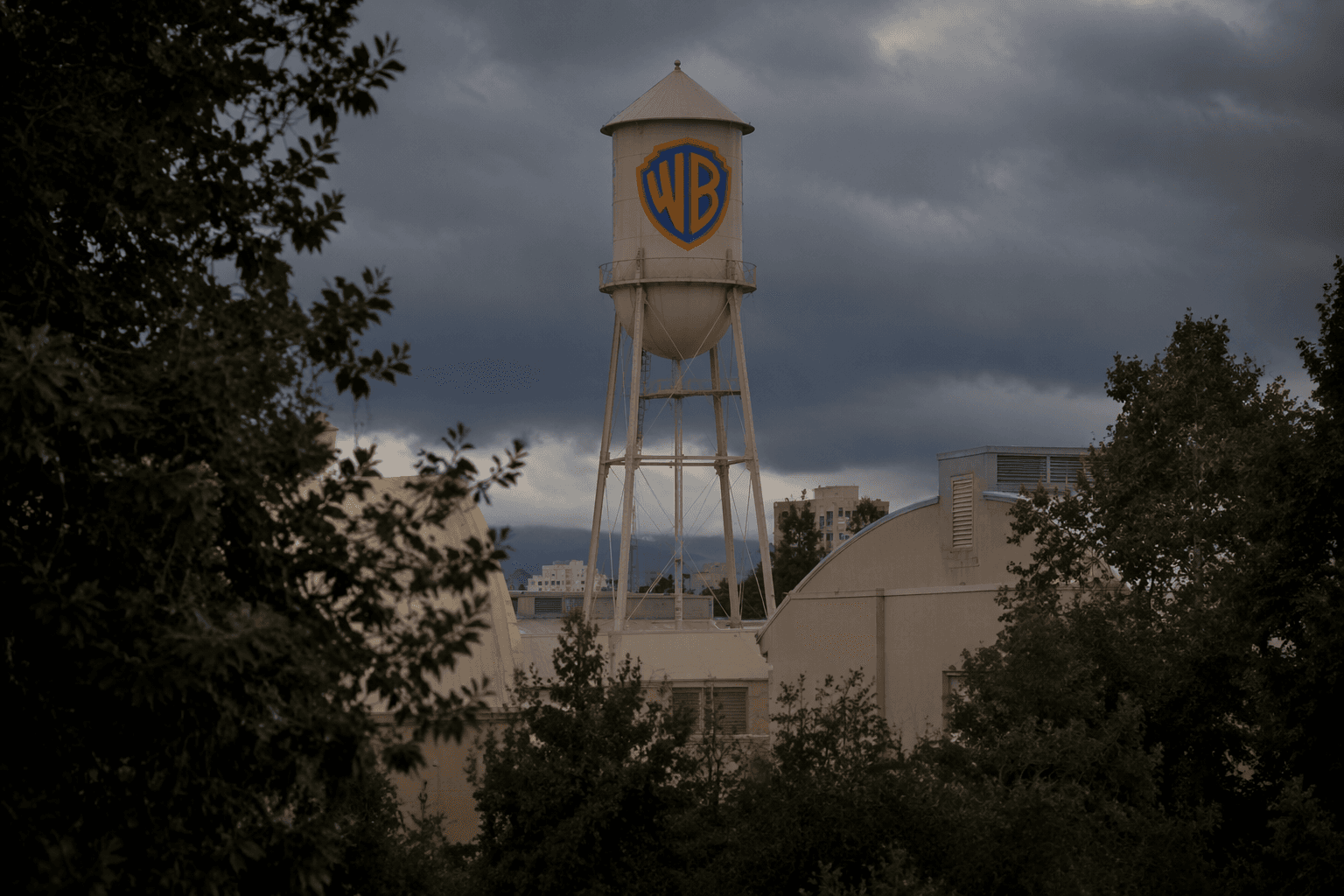
State attorneys general are preparing an antitrust challenge to Paramount’s $110 billion bid for Warner Bros. Discovery, and the suit could come as soon as next week.
California Attorney General Rob Bonta has led the inquiry, raising concerns about market concentration, reduced competition, harm to media workers and limits on consumer choice. State enforcers are expected to argue that the transaction would substantially lessen competition in film production, streaming distribution and the broader entertainment market, even though the U.S. Department of Justice has already approved the tie-up. State attorneys general can still sue to block a merger when they believe it threatens competition in their own states and across the country.
Oregon has already moved to slow the process. The Office of the Oregon Attorney General asked a court to force Paramount to turn over lobbying records tied to the merger probe and to bar the company from closing the acquisition for 60 days after it substantially complies. Paramount told the state it would not close before July 22, 2026, pushing the clock back another week. If the companies miss the September 30, 2026 deadline, Warner Bros. Discovery shareholders are set to receive a $0.25-per-share ticking fee each quarter until closing, a term the companies have tied to roughly $650 million in cash every quarter.
Paramount and Warner Bros. Discovery announced the merger on February 27, 2026. The combined business would keep both studios, invest in streaming and produce at least 30 theatrical films a year. It would also give every film a full theatrical release and a minimum 45-day window before paid video-on-demand. David Ellison has argued that the larger company would be better able to compete for audiences, talent and investment in a market increasingly shaped by streaming and global distribution.
More than 1,000 film and television professionals signed an open letter urging state attorneys general to investigate and block the merger, and actors, writers and theater owners warned that fewer independent studios could mean fewer films, narrower consumer choice and weaker bargaining power for workers.
This article was produced by Prism’s automated news system from verified source data, official records, and press releases, then run through automated quality and moderation checks before publishing. The system is built and supervised by the people who set the standards it runs under. Read our full AI policy.
Did this article answer your question?