Stellantis chief says partnerships will anchor future strategy
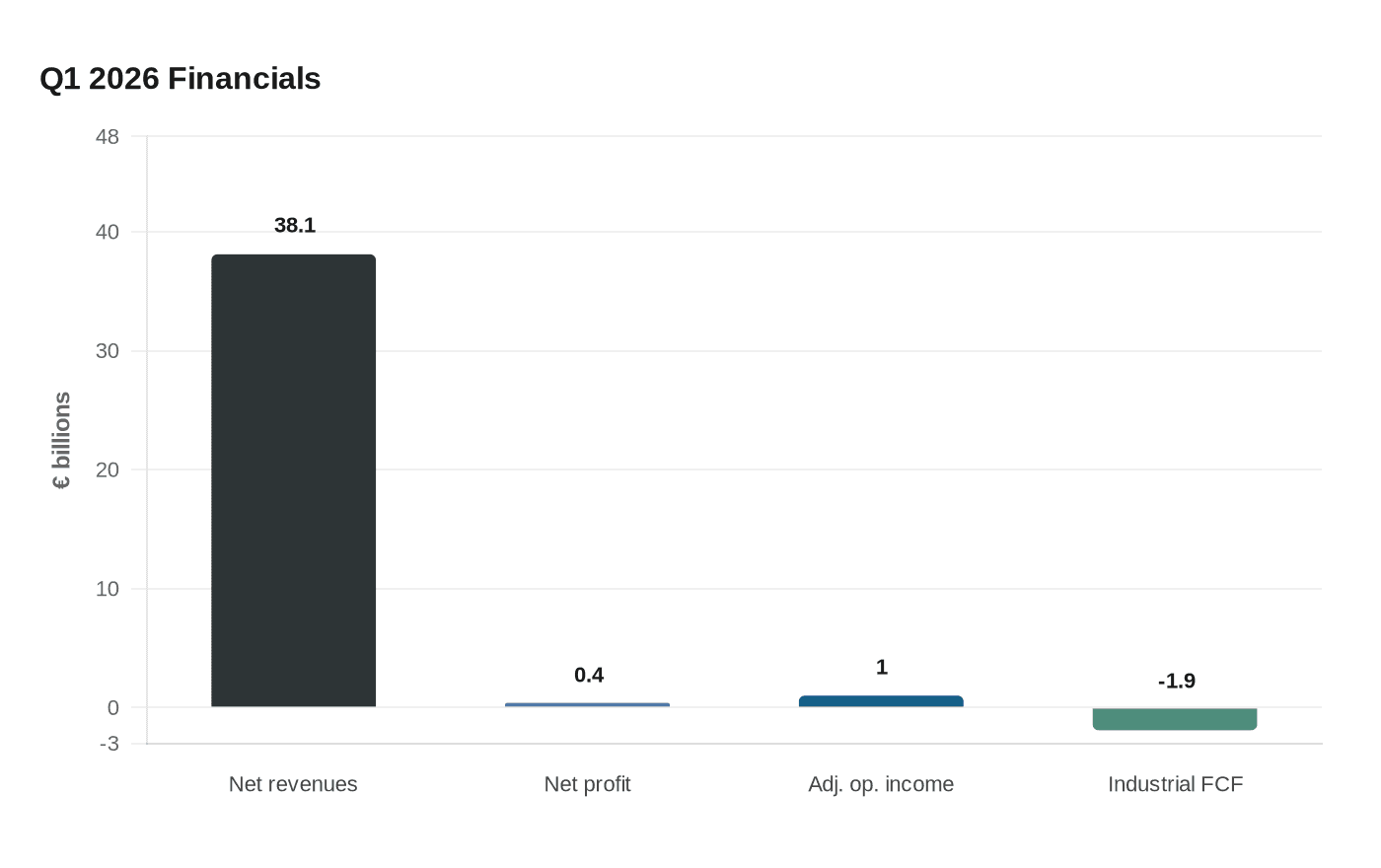
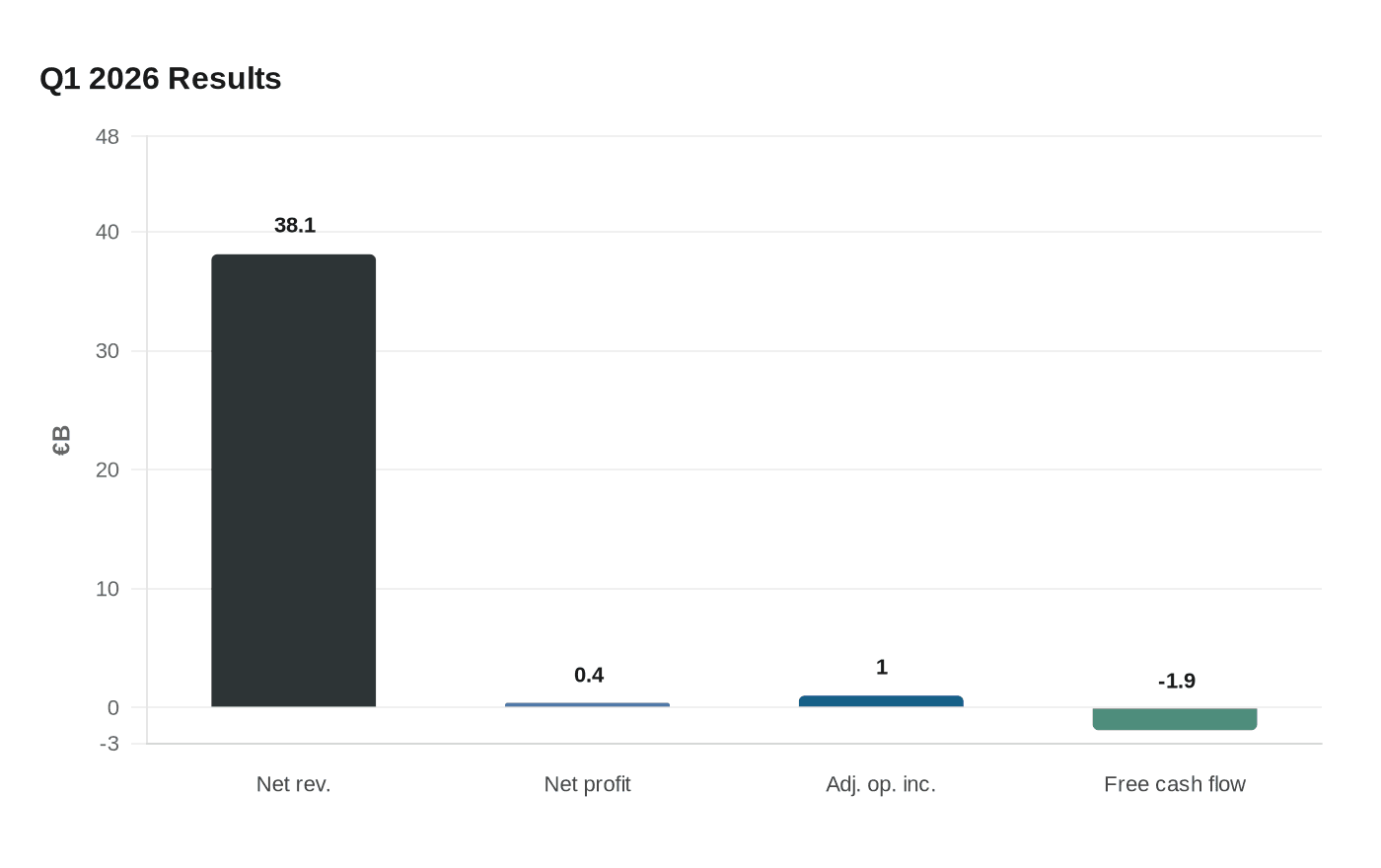
Stellantis is making partnerships central as Antonio Filosa prepares a new multi-year plan. The shift follows first-quarter industrial free cash flow of negative €1.9 billion.
Stellantis is moving partnerships from a tactical option to a core part of its turnaround, a sign that Antonio Filosa sees scale alone as insufficient in an auto market being reshaped by EV spending, software complexity and Chinese competition. Speaking at the Financial Times’ Future of the Car Summit in Milan on Tuesday, Filosa said partnerships would be embedded in the company’s future strategy as Stellantis prepares to present a new multi-year business plan next week.
The message lands at a sensitive moment for the Jeep, Ram, Peugeot and Fiat parent. In February, Stellantis said it was resetting its business and would communicate a new strategic plan in May. Its first-quarter 2026 numbers showed why the reset matters: net revenues of €38.1 billion, net profit of €0.4 billion, adjusted operating income of €1.0 billion and industrial free cash flow of negative €1.9 billion. Stellantis also confirmed its full-year 2026 guidance, but the cash outflow underscores how much pressure remains on the balance sheet.

Filosa’s emphasis on partnerships points to where the industry’s economics are changing fastest. EV platforms, battery sourcing, software development and factory utilization all demand far more capital than the old model of building every component in-house. For Stellantis, cooperation can spread development costs, speed launches and reduce the risk of betting too heavily on any one technology path. It can also help the company defend margins in Europe while keeping pace in North America and China.
The clearest example is Stellantis’ tie-up with Leapmotor. On May 8, the two companies said they intended to deepen their strategic partnership by adding production in Spain. An all-new electric Opel C-SUV and Leapmotor’s B10 are planned for Stellantis’ Zaragoza plant, with the Opel model potentially starting production in 2028 and Leapmotor production possibly beginning as early as 2026. The companies also plan to expand joint purchasing to improve affordability for European battery-electric vehicles and shorten time-to-market.
The partnership could reach beyond Zaragoza. Stellantis and Leapmotor said they are considering future Leapmotor products at Stellantis’ Villaverde plant near Madrid, including a possible transfer of ownership to the Stellantis-led Leapmotor International joint venture. That would give Stellantis more flexibility in regional manufacturing while keeping capital demands lower than building entirely new capacity from scratch.
The broader strategic shift is easy to read: Stellantis wants growth, but it also needs efficiency. Filosa’s partnership push suggests the company is betting that the next phase of automotive competition will reward firms that can share platforms, factories and technology without surrendering control of their core brands.
This article was produced by Prism’s automated news system from verified source data, official records, and press releases, then run through automated quality and moderation checks before publishing. The system is built and supervised by the people who set the standards it runs under. Read our full AI policy.
Did this article answer your question?