Stellantis to use Mobileye tech for hands-free driving features
Stellantis will tap Mobileye’s EyeQ chip and REM mapping to roll out hands-free driving features in 2027, but the systems remain Level 2 and still require driver supervision.
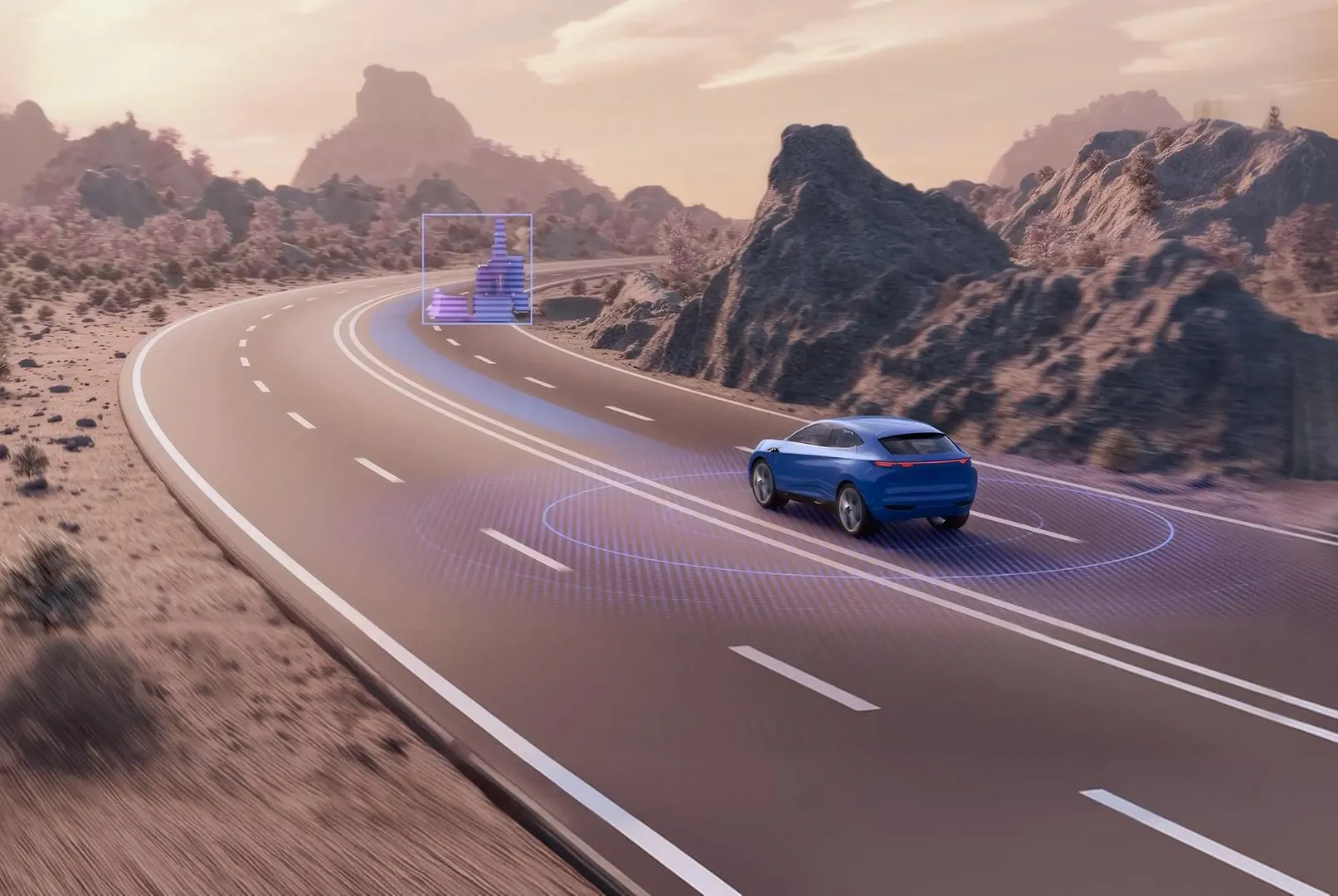
Stellantis will use Mobileye technology to power hands-free driving-assist features across its vehicle brands, with deployment set to begin in 2027. The plan centers on Mobileye’s EyeQ system-on-chip and its Road Experience Management, or REM, program, which uses real-time data from Mobileye-equipped vehicles to build more detailed driving maps.
The deal lands in a market where automakers are racing to add more automation while trying to avoid the suggestion that hands-free means self-driving. Under the federal framework for driver-assistance systems, Level 2 still leaves the driver fully responsible for operating the vehicle. The system can steer and manage speed, but it does not take over the driving task or relieve the human behind the wheel of supervision.
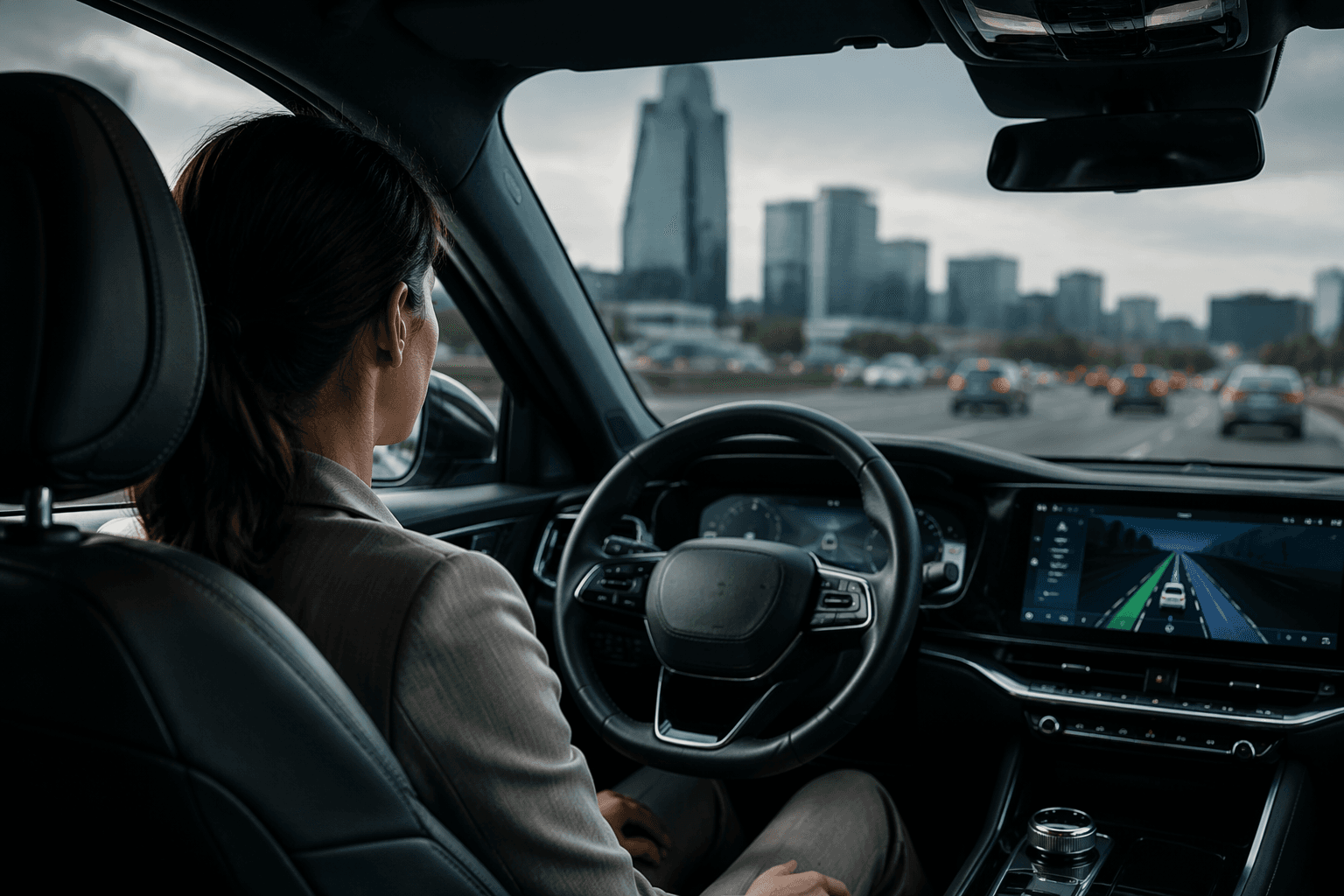
Level 2 hands-free features can let drivers remove their hands from the wheel in some conditions, but they are not eyes-off systems. Drivers still have to watch the road, monitor traffic, and be ready to take over immediately. The technology may reduce fatigue on routine highway stretches, but it does not change who carries responsibility when conditions change, a sensor misses something, or a crash occurs.
Stellantis is already pushing toward more advanced automation on its own. In February 2025, the company unveiled its in-house STLA AutoDrive system, a Level 3 hands-free and eyes-off technology. Stellantis’s STLA AutoDrive could operate up to 60 km/h, or 37 mph, including at night and in challenging weather conditions.
Volkswagen Group will use Mobileye driving-assistance software based on the SuperVision and Chauffeur platforms for brands including Audi and Bentley. In January, Mobileye said a U.S.-based automaker had chosen its EyeQ6H chip for future hands-free systems, with the potential for more than 19 million EyeQ6H-based Surround systems tied to that program, including 9 million in the first wave.
Mobileye’s REM can draw on real-world data from more than 6 million vehicles, widening road coverage and helping expand the operational design domain for hands-free driving.
This article was produced by Prism’s automated news system from verified source data, official records, and press releases, then run through automated quality and moderation checks before publishing. The system is built and supervised by the people who set the standards it runs under. Read our full AI policy.
Did this article answer your question?