Stellantis unveils $70 billion plan for 60 new models by 2030
Stellantis is betting 60 billion euros on 60 launches by 2030, while still leaning on combustion profits to fund EVs, software and factory reshuffling.

Stellantis is making a sprawling bet that it can fund its electric future without abandoning the gasoline and hybrid models that still generate the cash. The automaker’s new five-year strategy, FaSTLAne 2030, commits 60 billion euros, about $70 billion, to 60 new models by 2030 and 50 significant refreshes, a plan aimed at turning excess factory capacity, brand overlap and uneven demand into a competitive edge rather than a drag on profits.
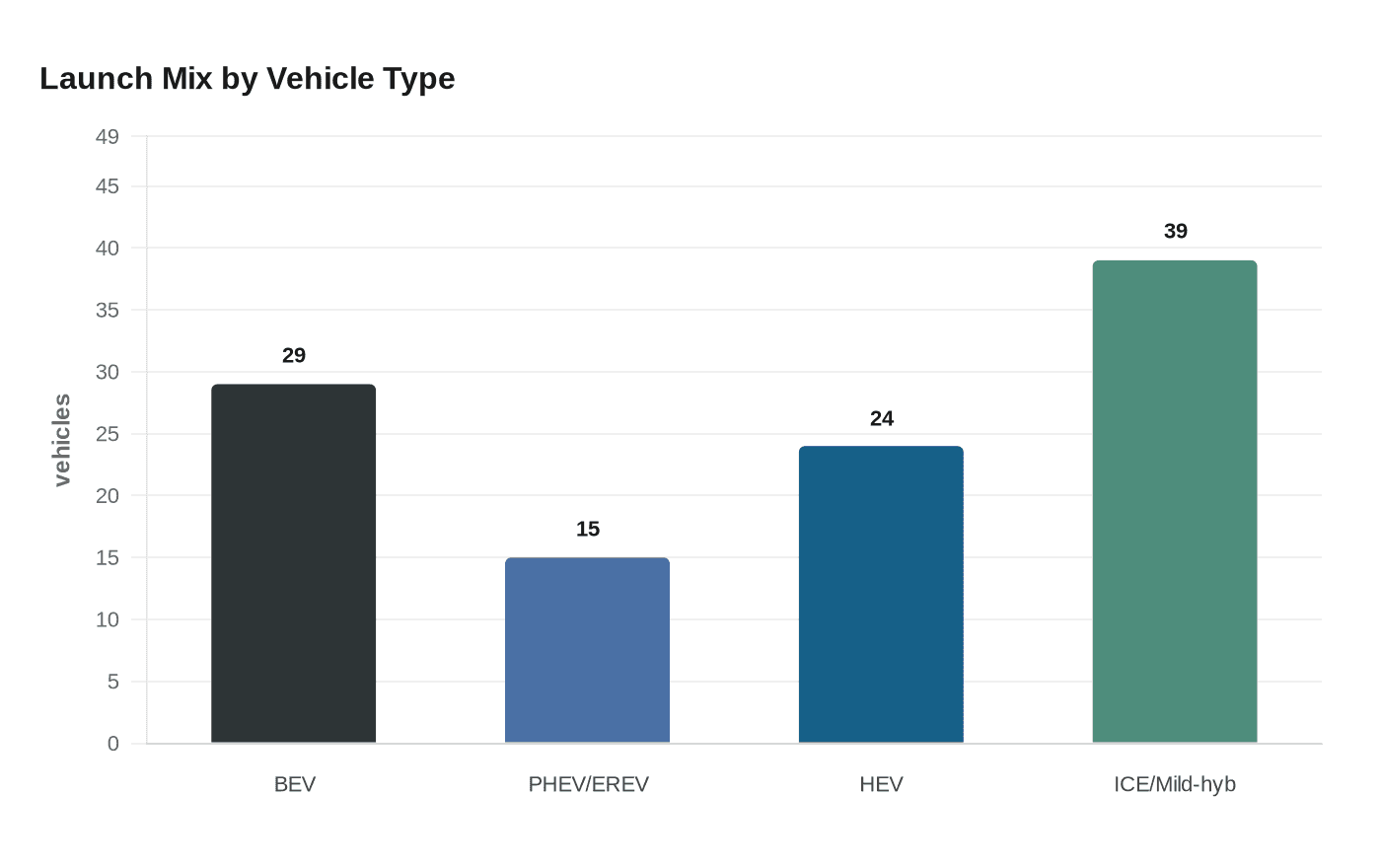
Antonio Filosa presented the roadmap in Auburn Hills, Michigan, as Stellantis tried to reset after years of shifting sales patterns, supply-chain strain and pressure from a 14-brand portfolio. The company said the launch mix will include 29 battery-electric vehicles, 15 plug-in hybrid or range-extended electric vehicles, 24 hybrid electric vehicles and 39 ICE or mild-hybrid vehicles. That split underscores the central tension in the plan: Stellantis needs combustion-powered vehicles to keep money flowing even as it spends heavily on EVs, software and new platforms. The company also said 36 billion euros will go to brand and product investment and 24 billion euros to platforms and new technologies.
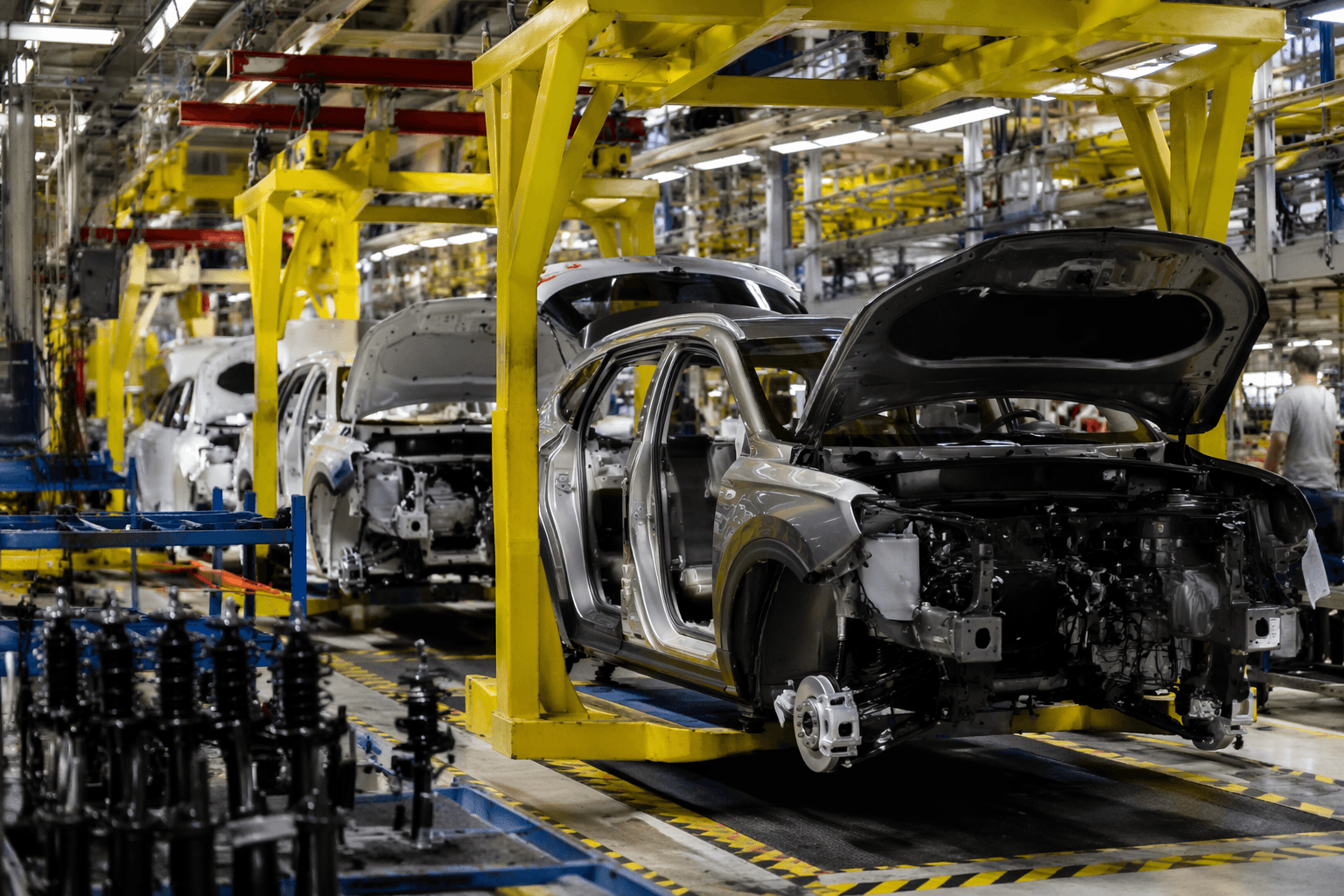
The strategy concentrates resources on the brands Stellantis believes can still carry the group at scale. Jeep, Ram, Peugeot and FIAT are now the four global brands with the greatest growth and profitability potential, while DS will be managed under Citroën and Lancia under Fiat as specialty brands. Stellantis said more than 70 percent of brand and product spending will go to Jeep, Ram, Peugeot and Pro One, its commercial-vehicle business. The company is also targeting positive industrial free cash flow in 2027, rising to 6 billion euros by 2030, along with 6 billion euros in annual cost savings by 2028. CNBC reported the company is aiming for revenue of 190 billion euros by 2030, up from 154 billion euros in 2025, and an adjusted operating margin of 7 percent by the end of the decade.
The scale of the ambition makes the geography as important as the product plan. Stellantis said 60 percent of the total investment will go to North America, where it still sees room to rebuild momentum. The company also set out a more cooperative industrial model, announcing a non-binding memorandum with Jaguar Land Rover to explore U.S. product and technology collaboration and a Europe-based joint venture with Dongfeng for Voyah-branded vehicles, including possible localization at the Rennes plant in France. That approach suggests Stellantis wants to use partnerships, contract manufacturing and shared platforms to stretch capital further at a time when tariffs, electrification and weaker demand are forcing automakers to choose more carefully which cars, factories and markets deserve the next dollar.
This article was produced by Prism’s automated news system from verified source data, official records, and press releases, then run through automated quality and moderation checks before publishing. The system is built and supervised by the people who set the standards it runs under. Read our full AI policy.
Did this article answer your question?