Stevens draws attention with mixed filibuster remarks in Michigan Senate debate
Haley Stevens said the filibuster “must go,” then suggested using it to block GOP legislation, putting her under scrutiny in a tight Michigan primary.
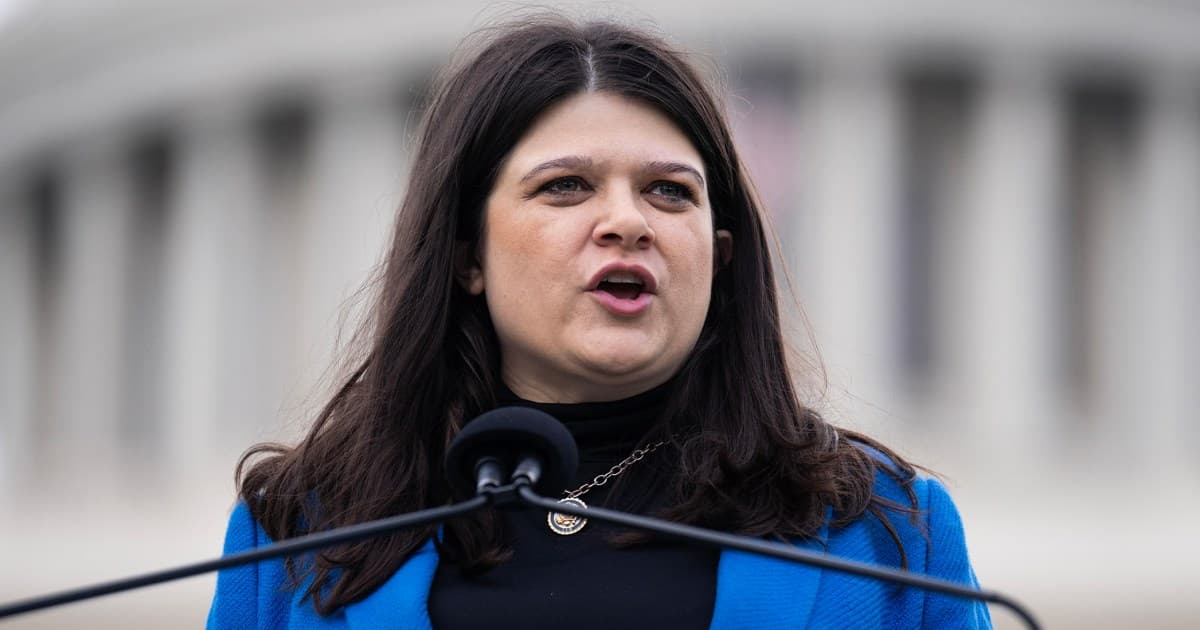
Haley Stevens drew attention in Michigan’s Democratic Senate debate with two filibuster remarks that pointed in opposite directions, underscoring how much procedural reform now matters in a primary where voters are judging which candidate would fight hardest to deliver the party’s agenda.
At the Detroit Regional Chamber’s Mackinac Policy Conference on Mackinac Island, Stevens, state Sen. Mallory McMorrow and former Wayne County public health director Abdul El-Sayed met in one of their first major joint appearances before the Aug. 4 Democratic primary. The winner will replace retiring Democratic Sen. Gary Peters and is likely to face former Republican Rep. Mike Rogers in a race viewed as one of the party’s best chances to defend and pick up a seat in 2026.

Stevens said the filibuster “must go” so Democrats can codify health care, then added that “we should use the filibuster” to stop the Republican spending bill she described as the “big ugly bill” that increased debt. The comments stood out because the filibuster is the Senate rule that effectively requires 60 votes to advance most legislation, and the debate coverage said all three candidates agreed it should be eliminated.
That split between debate-stage rhetoric and the need for a later clarification is likely to follow Stevens into the closing stretch of the primary. In a contest where procedural questions have become a test of how aggressively a senator would pursue the party line in Washington, mixed signals on the filibuster matter as much as the broader policy promises.
The debate also exposed wider fault lines inside Michigan Democrats. Coverage from AP and Axios described a tense forum that opened divisions over campaign money, bipartisanship and AIPAC. El-Sayed pressed rivals over corporate money, while Stevens and McMorrow emphasized broader appeal and crossover support.
Stevens enters that fight with a large list of institutional backers, including former Senate Majority Leader Debbie Stabenow, former House Speaker Nancy Pelosi, former Michigan Gov. Jennifer Granholm and Sen. Chris Coons. Her campaign has centered on lowering health care costs, protecting Social Security, Medicare and Medicaid, and defending personal freedoms while casting itself against the “Trump-Musk chaos agenda.”
What the debate made plain is that the filibuster is not a side issue in Michigan. In a state where Democrats are trying to keep an open Senate seat and prove they can rebuild after 2024, the rule has become a shorthand for how far each candidate would go to turn ambition into votes.
This article was produced by Prism’s automated news system from verified source data, official records, and press releases, then run through automated quality and moderation checks before publishing. The system is built and supervised by the people who set the standards it runs under. Read our full AI policy.
Did this article answer your question?

