Stillaguamish Tribe restores wetlands to revive Chinook salmon runs
The Stillaguamish Tribe tore out levees on 230 acres, sending tidewater onto former dairy land for the first time in more than a century. The goal is Chinook recovery and flood resilience.
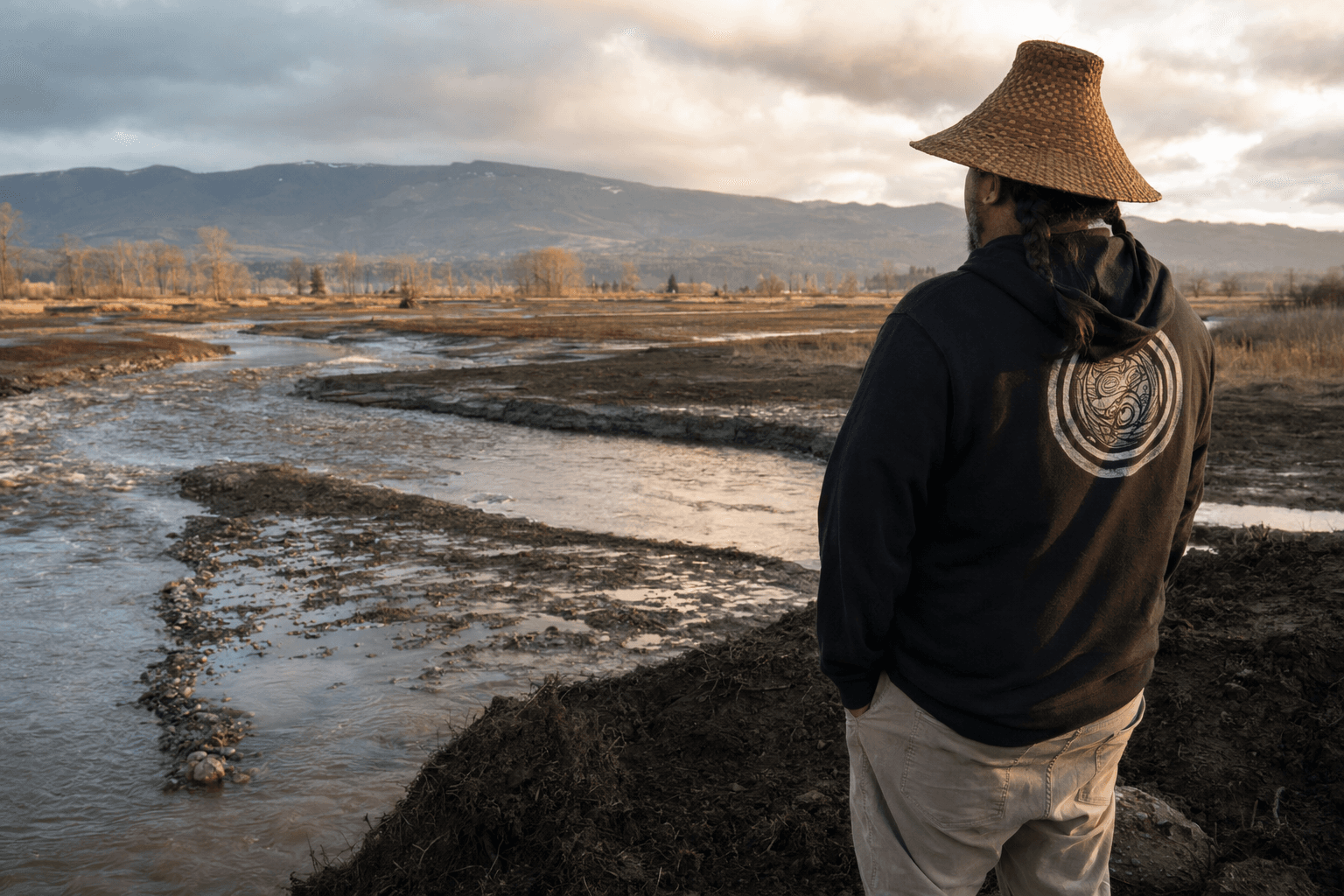
The Stillaguamish Tribe turned a former dairy landscape back into tidal marsh when it removed about two miles of earthen levee in October 2025, letting tidewater reach land that had been cut off for more than a century. The 230-acre restoration is more than a local habitat fix. It is a national test case for how Indigenous land stewardship, climate adaptation and salmon recovery can be tied together on ground that once produced milk, not fish.
For the tribe, the project fits a longer campaign to reclaim a far larger footprint than its official reservation, which is less than 100 acres. The Stillaguamish Tribe has about 400 members and was not federally recognized until 1976, more than a century after the 1855 Treaty of Point Elliott. Over the past 15 years, the tribe has bought about 2,000 acres of land for fish and wildlife habitat, betting that restoring floodplains and estuaries can help rebuild a Chinook run that has collapsed to the point that, in 2025, the tribe was allowed to catch only 26 Chinook from the Stillaguamish River.
The Trafton Floodplain Restoration Phase II project, which NOAA Fisheries described as a $14 million effort, is the largest floodplain and instream project in the entire Stillaguamish watershed to date. It stretches across more than 230 acres along nearly two miles of the North Fork Stillaguamish River and includes about a mile of side-channel habitat and more than 40 engineered log jams. Phase I finished ahead of schedule, and Phase II construction began in 2025.
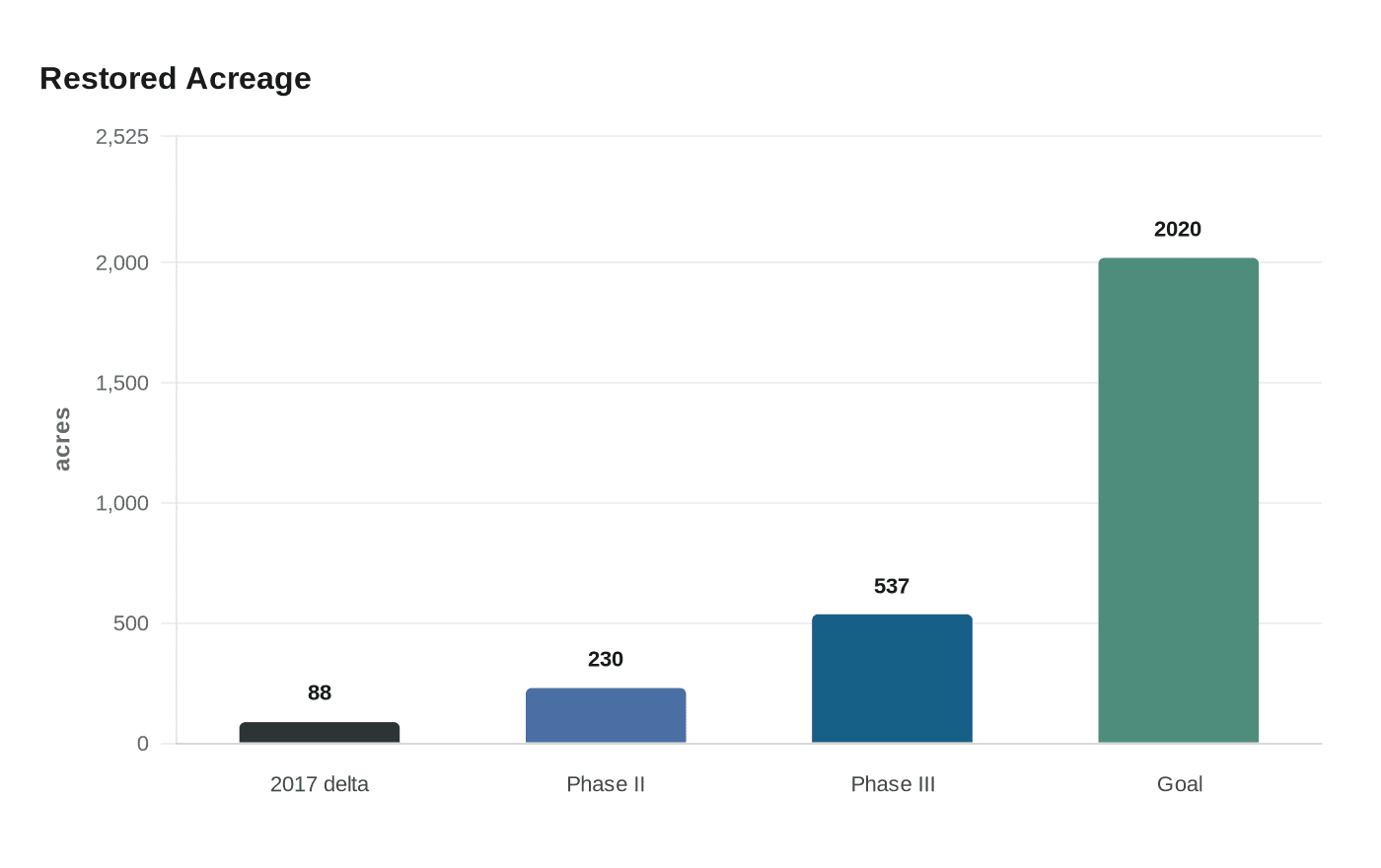
The work is also part of a broader effort at the Stillaguamish delta, where the tribe completed an 88-acre zis a ba restoration in 2017, has designed a 230-acre phase, and is preparing a third 537-acre restoration. Together, those phases could stitch together about 1,000 acres of estuary habitat toward the Stillaguamish Watershed Chinook Salmon Recovery Plan goal of 2,020 restored acres. In practical terms, the tribe is trying to rebuild the estuary and floodplain as a connected system that can absorb high water, shelter juvenile salmon and restore tidal processes.
State and county officials have treated the work as infrastructure policy as much as environmental restoration. In September 2025, Washington’s Department of Natural Resources transferred three state trust land parcels totaling 69.77 acres to the tribe for salmon recovery, a move made possible by a 2024 state law that allowed direct transfers of trust lands to federally recognized tribes. The parcels were appraised at $174,000. Separately, Snohomish County and the tribe launched a Trafton floodplain project covering around 250 acres, including 176 acres of tribal land and about 70 acres of county park land, with construction beginning in April 2025 and scheduled to continue through 2027.
At Trafton, the tradeoffs are visible. Farmland has been retired, levees have been cut, and tidewater has returned. In exchange, the tribe and its partners are banking on salmon recovery, flood resilience near Trafton and the Whitehorse Trail bridge, and a restoration model that could matter far beyond the Stillaguamish watershed.
This article was produced by Prism’s automated news system from verified source data, official records, and press releases, then run through automated quality and moderation checks before publishing. The system is built and supervised by the people who set the standards it runs under. Read our full AI policy.
Did this article answer your question?