Stock futures fall ahead of June jobs report, Fed clues
Stock futures slipped as investors waited for June payrolls, with Dow futures down 35 points and Nasdaq-100 futures off 0.67%. The report could revive rate-cut hopes or dent them.
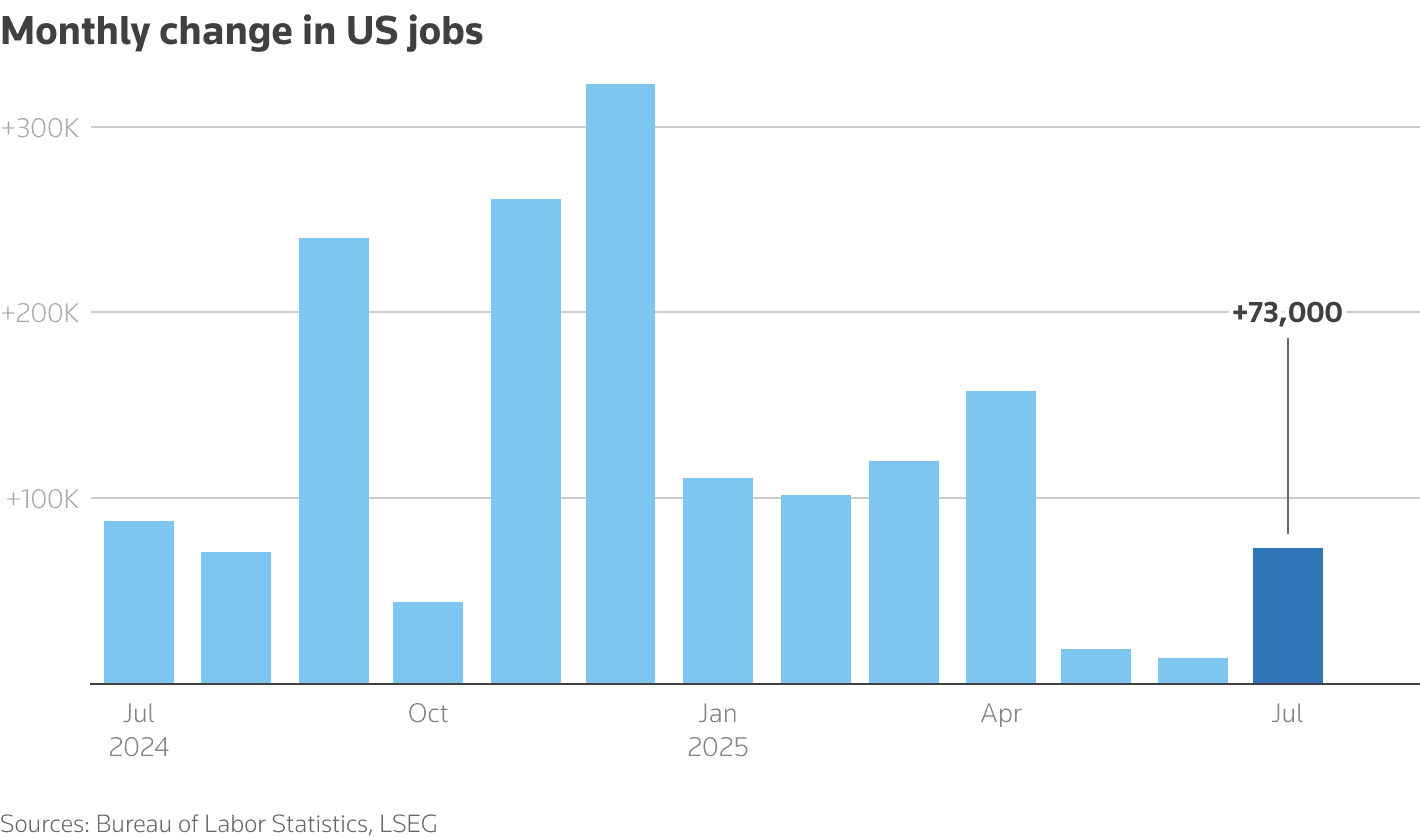
Stock futures fell Thursday as traders looked past a strong second quarter and toward the June employment report, a release that could reset expectations for when the Federal Reserve next moves on rates. Dow Jones Industrial Average futures were down 35 points, S&P 500 futures fell 0.16%, and Nasdaq-100 futures lost 0.67% in premarket trading.
The U.S. Bureau of Labor Statistics scheduled the June 2026 Employment Situation report for 8:30 a.m. Eastern Time, one day earlier than the usual Friday release because U.S. markets were closed on Friday, July 3, for the observed Independence Day holiday. That makes the payrolls data the main near-term test for a market that has spent the past week balancing resilient economic growth against the risk that interest rates stay higher for longer.

Investors want a labor reading that is soft enough to support rate-cut hopes without looking weak enough to raise recession fears. A cooler-than-expected payroll gain or a modest rise in unemployment would likely push Treasury yields lower, ease borrowing costs for households and companies, and give stocks a tailwind. A hotter report, especially one that suggests wage pressures are still firm, would likely do the opposite and could add volatility to retirement accounts tied closely to the S&P 500 and Nasdaq.
The setup comes after a choppy finish to Wednesday’s session, when U.S. stocks ended slightly lower as technology shares slipped. Meta Platforms limited the S&P 500’s decline, even as investors kept a close eye on spending tied to artificial intelligence infrastructure. Reuters also reported that Meta is building a cloud business to sell excess AI computing capacity, a move that underscored how much capital is still flowing into the sector.
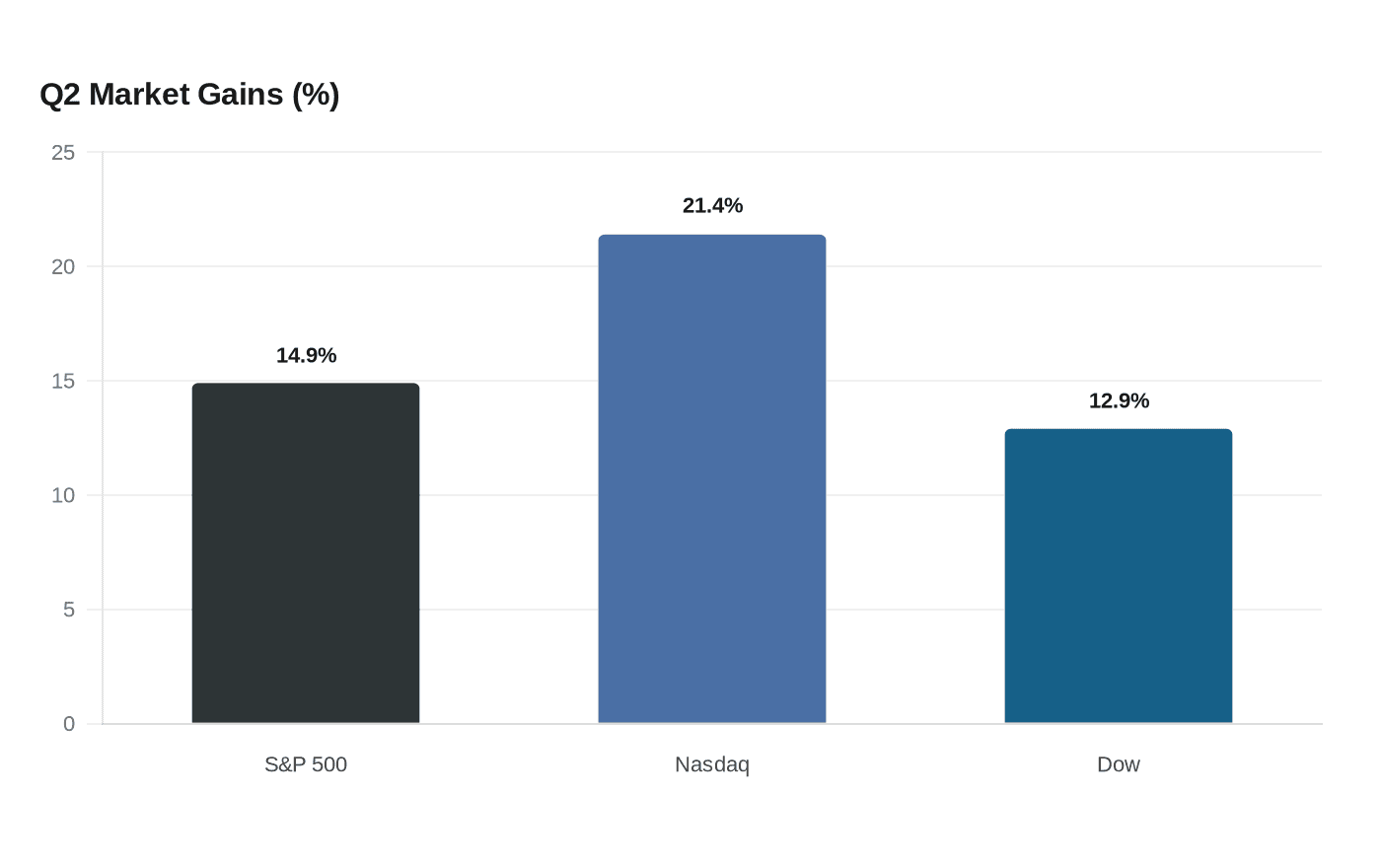
The broader market enters the jobs release with strong recent gains already in the books. The S&P 500 rose 14.9% in the second quarter, the Nasdaq climbed 21.4%, and the Dow added 12.9%. Reuters also reported that the S&P 500 and Nasdaq had their biggest quarterly gains since 2020, while the Dow posted its strongest quarter since late 2022. The Dow closed at a record high for a second straight day on June 30.
The tech pullback was not limited to U.S. trading. Asian markets weakened Thursday as the chip selloff spread, with Samsung Electronics and SK Hynix falling sharply. That added to concern that the market’s biggest winners of the quarter may be more exposed if the labor report or Fed messaging dents the case for faster rate cuts.
Federal Reserve Chair Kevin Warsh said inflation risks had eased recently, reinforcing the market’s focus on whether the labor market is cooling enough to keep policy relief on the table. For stocks, the next move may hinge less on the headline payroll count than on whether the report looks soft enough to revive easing hopes, but not so weak that it spooks investors about the economy itself.
This article was produced by Prism’s automated news system from verified source data, official records, and press releases, then run through automated quality and moderation checks before publishing. The system is built and supervised by the people who set the standards it runs under. Read our full AI policy.
Did this article answer your question?