Stocks Trim Losses as Diplomacy Hints at Hormuz Strait Resolution
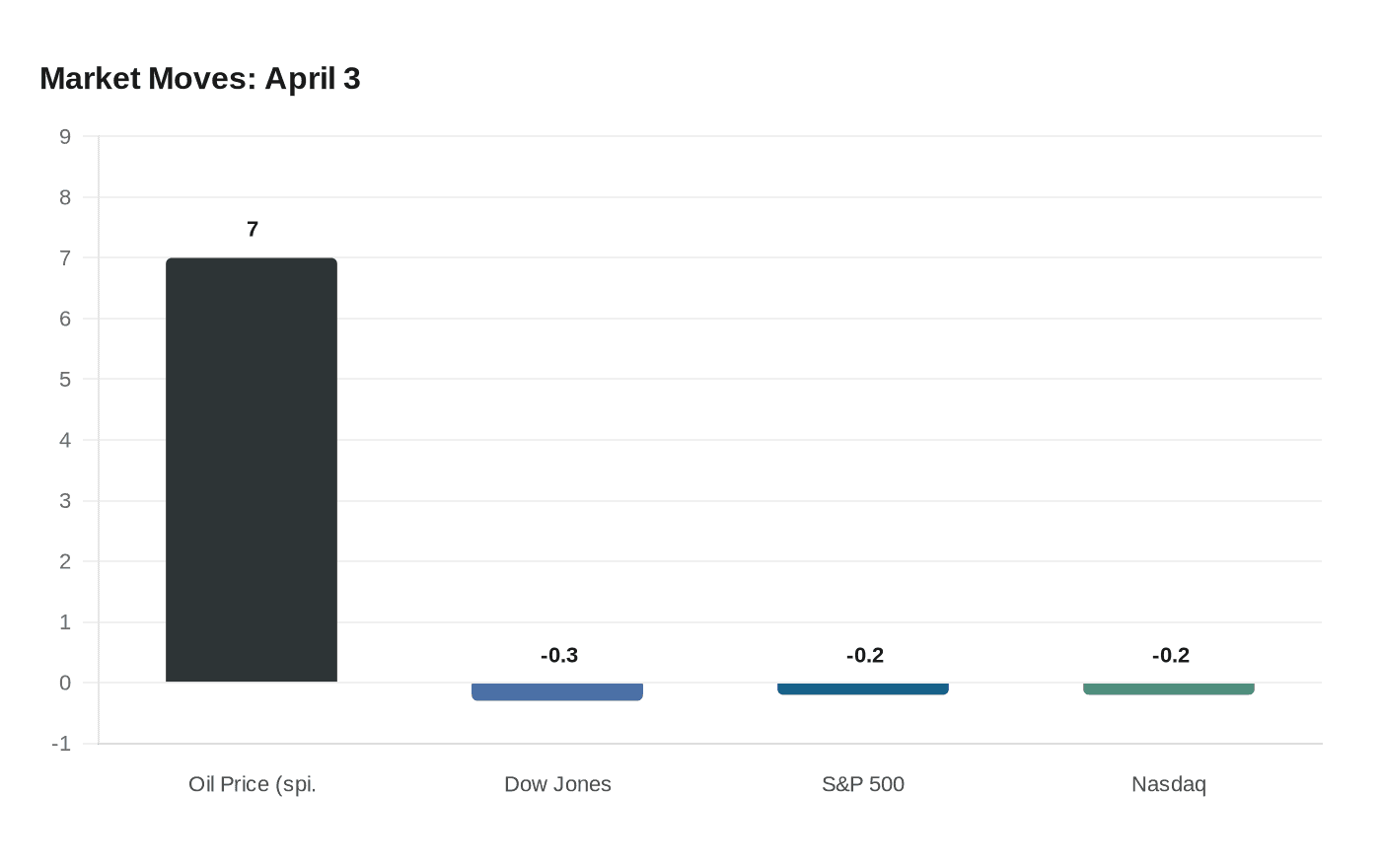
UK-led diplomatic efforts to reopen the Strait of Hormuz steadied Wall Street Friday, though the Dow still closed 140 points lower as oil briefly spiked 7%.
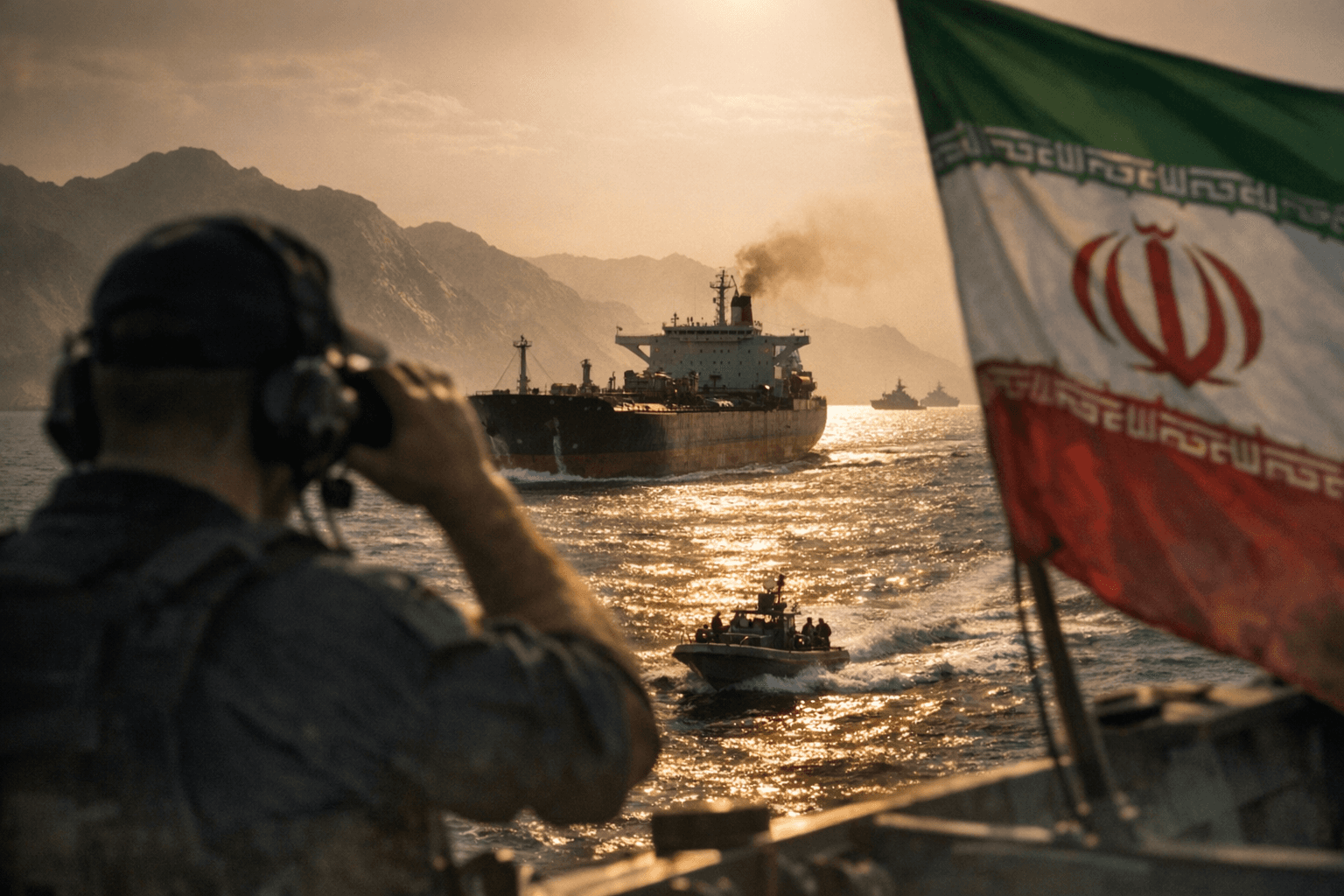
A spike in oil prices that briefly topped 7 percent Friday morning sent an immediate jolt through grocery aisles, airline booking desks, and Federal Reserve meeting rooms before diplomacy stepped in to take the edge off. U.S. equities opened sharply lower April 3 as investors priced in the prospect of sustained energy market disruption tied to the Strait of Hormuz, the narrow waterway through which roughly a fifth of the world's seaborne oil passes. By midday, the worst of the selling had softened, though the Dow Jones Industrial Average still sat 140 points, or about 0.3 percent, in the red. The S&P 500 and the Nasdaq Composite each fell approximately 0.2 percent.
The partial recovery traced directly to diplomatic headlines. Kim Forrest, chief investment officer at Bokeh Capital Partners, captured the mood on trading desks: "Traders want the Strait of Hormuz to open and the UK may be leading an effort... that is softening today's selloff," she said. Michael Matousek, head trader at U.S. Global Investors, added that growing confidence the broader economy was not tipping into recession, combined with expectations that oil prices would gradually ease, helped pull indexes off their session lows into the afternoon.
The energy channel from crude to consumer is swift and punishing. Oil at materially elevated levels acts as a direct tax on household budgets, compressing discretionary spending within weeks as gasoline prices climb. Airlines, which hedge fuel costs but absorb spikes over time, underperformed even as energy shares rallied sharply on the day. That divergence captures the core tension shaping portfolio positioning right now: sectors that produce oil benefit while sectors that burn it bleed. For the Federal Reserve, a sustained crude price surge complicates the calculus on rate cuts, since energy feeds directly into headline inflation figures that remain politically and monetarily sensitive.
The CBOE Volatility Index climbed from multi-session lows, signaling that traders were rebuilding short-term hedges rather than dismissing the geopolitical risk as transitory. A separate development rattled asset managers: Blue Owl imposed caps on retail fund withdrawals from some private-credit products, pressuring shares in the asset management sector and flashing an early warning about liquidity conditions in corners of the credit market that swelled during the low-rate era.
Investor attention now pivots to three pressure points. Any further disruption to Hormuz shipping lanes, where a meaningful capacity reduction could tighten global supply almost immediately, remains the dominant tail risk. OPEC's available spare capacity will determine how quickly member states could offset lost flows if the strait remains constrained. And weekly U.S. crude inventory data, which arrives in days, will offer the clearest domestic read on whether stockpiles are cushioning the price shock or amplifying it. Until those data points resolve, energy and consumer staples are likely to hold their defensive bid while airlines and discretionary names absorb the volatility premium.
This article was produced by Prism’s automated news system from verified source data, official records, and press releases, then run through automated quality and moderation checks before publishing. The system is built and supervised by the people who set the standards it runs under. Read our full AI policy.
Did this article answer your question?
%3Amax_bytes(150000)%3Astrip_icc()%2FCertificate-of-deposit-2301f2164ceb4e91b100cb92aa6f868a.jpg&w=1920&q=75)