Stony Brook's Patricia Wright Reaches One Million Air Miles From Madagascar Research
Stony Brook anthropology professor Patricia Wright passed one million air miles from decades of Madagascar research, a milestone that underscores local ties to global conservation.
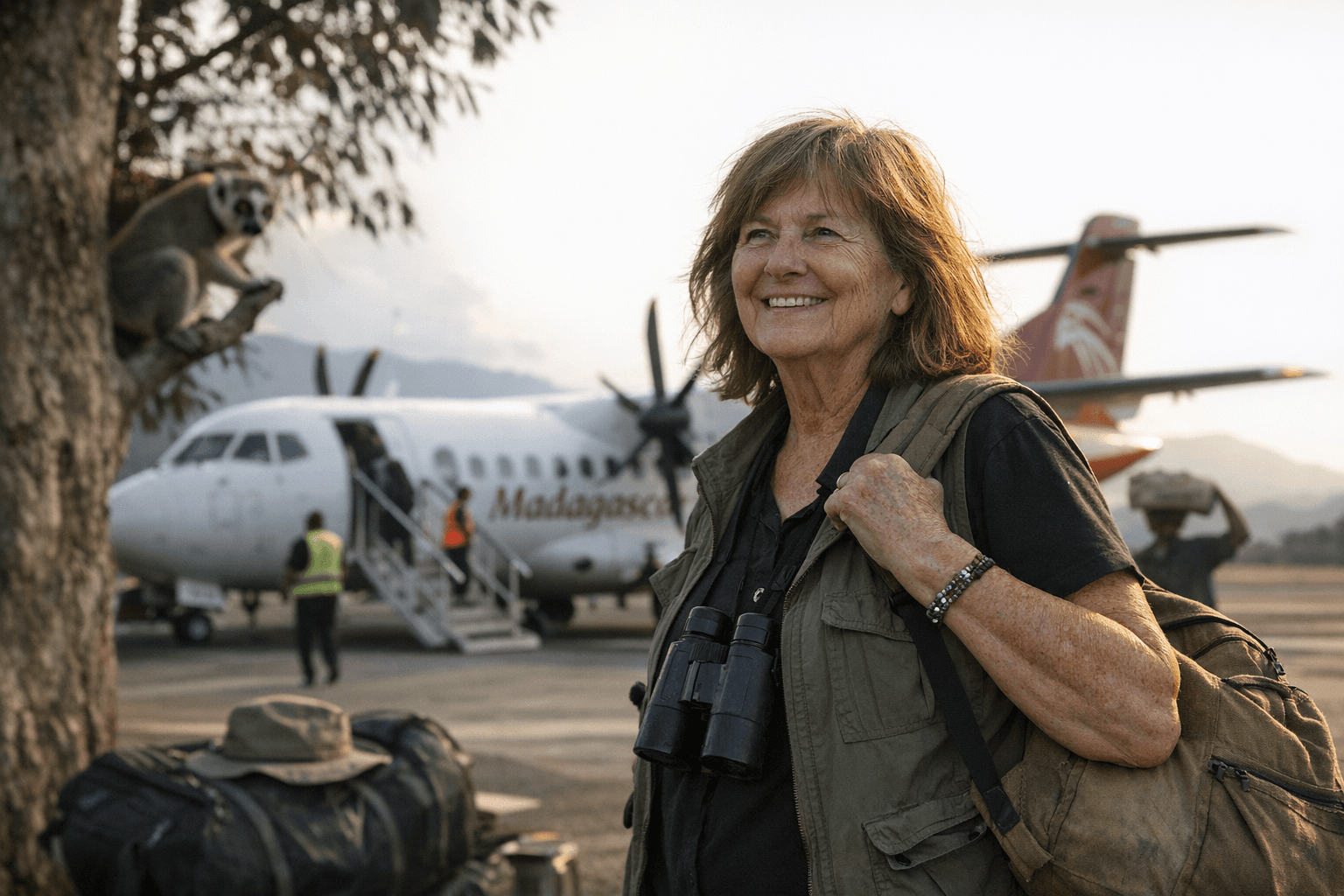
Patricia Wright, SUNY Distinguished Professor in Anthropology at Stony Brook University, surpassed one million air miles on Jan. 19, 2026, a tally built over more than four decades of travel to Madagascar for lemur research and conservation work. The mileage, logged through Air France, confers lifetime Sky Priority status and marks the scale of a career that has linked Stony Brook to international biodiversity efforts.
Wright’s travel record reflects more than routine fieldwork. She helped establish the Centre ValBio research station and played a central role in the creation of Ranomafana National Park, institutions that have anchored long-term research and reforestation projects. Her flights to conferences, collaborations and field sites forged partnerships and funded projects that extended beyond lab reports, helping students and colleagues develop practical conservation programs in Madagascar.
Long Island audiences should note that Wright’s work is not an abstract overseas enterprise. Her position at Stony Brook University has created direct pathways for local students to engage in international research, receive mentorship and participate in conservation initiatives that inform curriculum and public outreach here at home. The university’s anthropology program and its networks benefit from the reputational capital and institutional relationships formed through decades of sustained field presence.
Wright’s travel also produced practical gains that often began in transit. Networking on long flights yielded funding opportunities and collaborative connections that expanded research capacity and supported reforestation efforts on the ground in Madagascar. Anecdotes from her journeys include memorable sights such as the Nile and camels seen from an airplane window, underscoring the geographic breadth of a career that moved between classrooms in Suffolk County and remote tropical forests.
There are policy implications for local officials and university administrators. Sustaining field-based science requires institutional backing for travel, graduate mentorship and long-term project stewardship. Investments that enable faculty to maintain international partnerships can translate into research grants, service-learning opportunities for students and enhanced public programming that raise Stony Brook’s profile and, by extension, Suffolk County’s standing in environmental research.
For residents, Wright’s milestone is a reminder that local academic work often operates on a global scale and returns benefits in training, research outputs and community engagement. Her lifetime Sky Priority status is a symbolic marker of persistence; the practical outcome is continued collaboration, ongoing reforestation and educational opportunities that connect Long Island classrooms to conservation in Madagascar.
Sources:
Know something we missed? Have a correction or additional information?
Submit a Tip