Storm kills nearly 90 in Uttar Pradesh, triggers relief response
A pre-monsoon storm tore through Uttar Pradesh, killing dozens and exposing how fragile housing and warning systems can turn bad weather deadly.
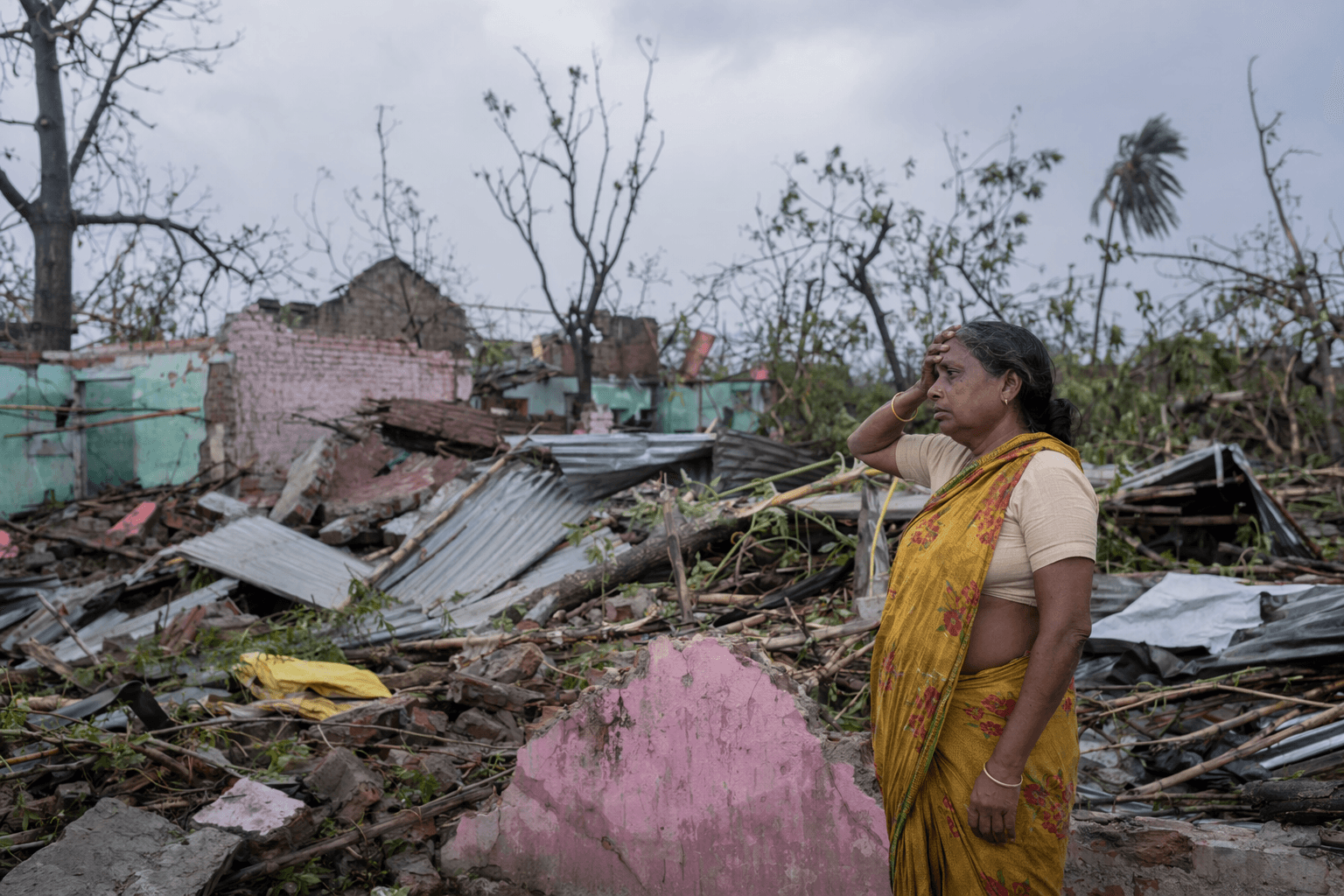
A violent pre-monsoon storm ripped across Uttar Pradesh, killing nearly 90 people and leaving homes, roads and livestock in ruins. As district tallies were consolidated, the death count moved from 89 to 96, with more than 50 people injured and entire neighborhoods hit by a mix of strong winds, heavy rain, hailstorms and lightning.
The worst losses were reported in Prayagraj, Sant Ravidas Nagar, also known as Bhadohi, and Fatehpur, where falling trees, collapsing house walls and flying debris became lethal in a matter of minutes. In several districts, television images showed uprooted billboards, snapped trees and roadside stalls littered with wreckage. Official follow-up reports said 87 houses were damaged and 114 livestock were killed, turning a fast-moving weather event into a broader humanitarian crisis for families already living close to the edge.
Chief Minister Yogi Adityanath ordered district officials to verify the damage and provide relief and financial assistance within 24 hours, a signal that the state is treating the storm as both an emergency and a compensation challenge. The response will need to move quickly across districts including Budaun, Chandauli, Sonbhadra and Kanpur Dehat, where fatalities were also reported as the toll rose. With people injured, homes damaged and roads blocked by debris, the first test is whether local officials can reach affected households before the next round of severe weather arrives.
The storm also sharpened a larger question for Uttar Pradesh, India’s most populous state: was this only an extreme event, or another example of chronic vulnerability being exposed by harsher weather? The India Meteorological Department had already warned of thunderstorm and lightning risk in East Uttar Pradesh for May 13, and its hazard atlas lists thunderstorm, lightning, dust storm and hailstorm as recurring dangers in the state. That matters in the hot season from March to June, when people are more likely to be outdoors, power demand is high and fragile structures are easier to bring down. For Uttar Pradesh, the disaster is a reminder that resilience is measured not just by forecasts, but by the strength of housing, warning systems, roads and emergency response when a storm arrives without warning.
This article was produced by Prism’s automated news system from verified source data, official records, and press releases, then run through automated quality and moderation checks before publishing. The system is built and supervised by the people who set the standards it runs under. Read our full AI policy.
Did this article answer your question?