Storm Lake Begins Formal Renegotiations with Lakeside Ahead of New Plant
Storm Lake has begun renegotiating water and sewer agreements with Lakeside as it advances plans for a much larger water treatment plant, a move that could affect rates, growth and service terms.
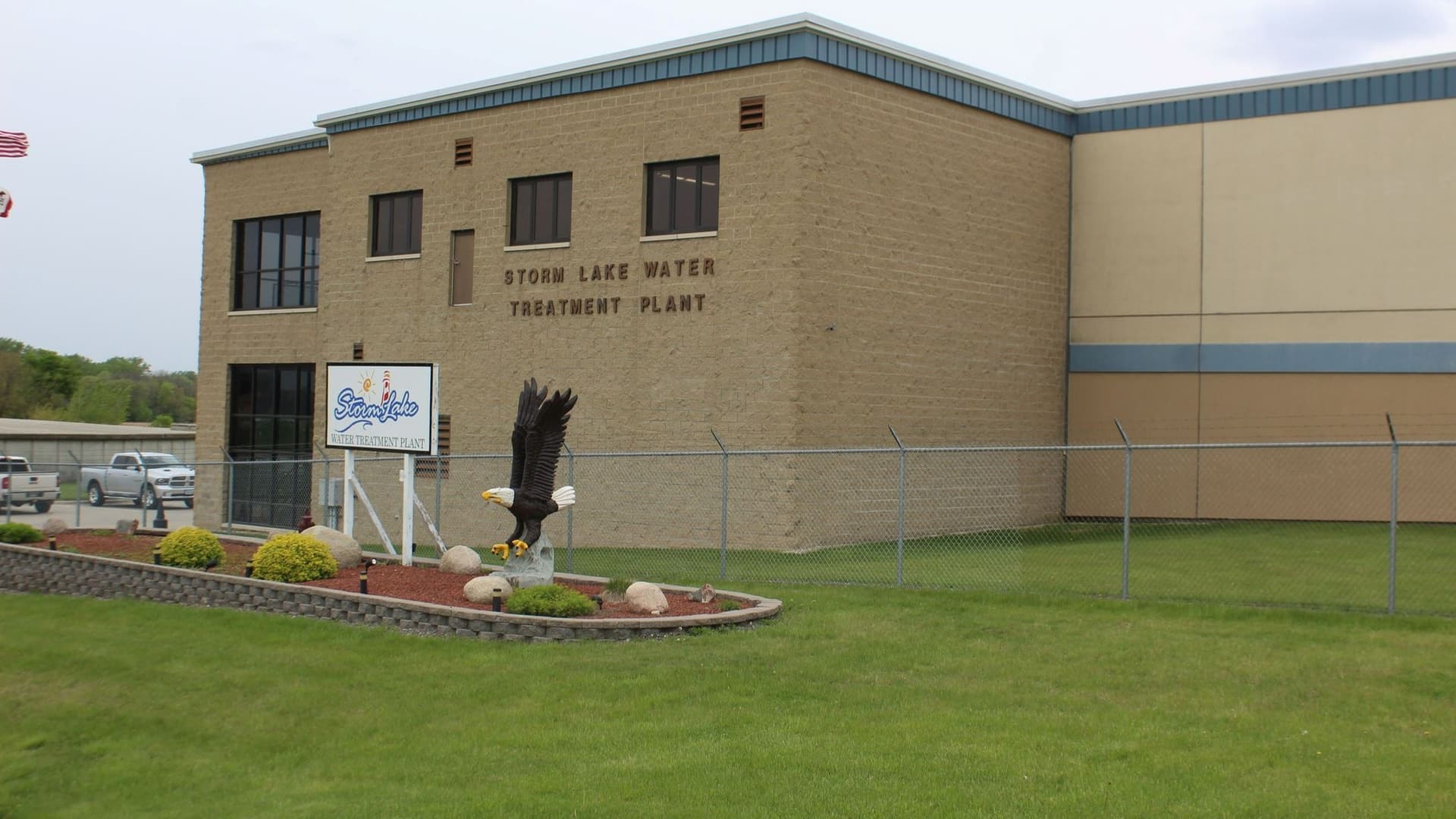
Storm Lake has opened formal renegotiations with the neighboring community of Lakeside over existing water and sewer arrangements as the city moves ahead with plans for a much larger water treatment plant. The step marks a shift from routine operations to a negotiation driven by capacity, cost and long-term infrastructure planning.
City of Storm Lake officials have initiated the formal process to revisit the terms that govern Lakeside’s access to Storm Lake water and sewer services. The renegotiation comes as the city advances design and planning for a new, larger treatment plant to replace the current facility. Storm Lake leaders say the change in infrastructure scale makes it necessary to reexamine how costs and capacity are allocated between the two communities.
The negotiations will shape who pays for the plant’s capital costs, how treatment capacity is reserved, and how ongoing operations and maintenance are billed. For Lakeside, those terms will determine whether current service levels and price structures remain stable or shift as the new plant comes online. For Storm Lake residents, the outcome will influence municipal finances, rate-setting practices, and the city’s ability to support future residential and commercial growth around the lake.
Intergovernmental agreements of this kind typically cover tap fees, monthly rates, capital cost apportionment and rules for emergency service. The formality of the current talks signals that changes to one or more of those elements are possible. Local leaders will need to weigh the city’s fiscal exposure against the economic and community benefits of a higher-capacity plant, including better compliance with modern treatment standards and the capacity to serve new development.

The renegotiation also raises governance questions that voters and ratepayers should watch. Decisions about cost allocation and long-term contracts can lock in rate paths for decades and influence annexation and development patterns. Public review and council deliberations will determine whether new terms include provisions for periodic review, grandfathered rates for existing customers, or triggers tied to actual demand and usage.
Residents should monitor City Council agendas and public notices as the process unfolds. Storm Lake officials will present technical details and draft agreement language at upcoming meetings, and those sessions will provide the primary venue for transparency and public input.
What happens next will matter for monthly water and sewer bills, for the pace and shape of growth around Storm Lake, and for Lakeside’s relationship with Storm Lake utility systems. The renegotiations will set the framework for how the new plant serves the region for decades, so community engagement and careful scrutiny of proposed terms will be important in the months ahead.
Sources:
Know something we missed? Have a correction or additional information?
Submit a Tip