Strait of Hormuz reopens, but shipping faces a slow restart
Tankers are moving again through the Strait of Hormuz, but more than 400 oil ships are still waiting offshore as insurers and security checks slow a real recovery.
Ships have started moving back through the Strait of Hormuz, but the reopening is looking more like a cautious restart than a snap-back to normal. More than 400 oil-laden tankers and dozens of LNG and LPG carriers were still anchored outside the Gulf, while some vessels continued to take altered routes west of Larak Island.
The traffic pattern matters because the strait is one of the world’s most important energy arteries. Lloyd’s List Intelligence data cited by CNBC put prewar cargo-vessel traffic at roughly 650 to 770 vessels a week, or about 90 to 110 transits a day in both directions. Any prolonged disruption can quickly tighten crude and gas markets, slow refinery deliveries and complicate supply chains from Oman and Qatar to Europe and Asia, especially for cargoes that depend on just-in-time scheduling.
Industry experts expect oil tankers and LNG carriers to get priority as the lane reopens, but key operational questions remain unsettled. Shipowners are still weighing whether vessels will need prior permission to pass, whether Iran will impose service charges, whether foreign naval escorts will be accepted and whether mines or other residual threats will force a formal clearance process. Those issues matter as much as the diplomatic agreement itself, because commercial shipping does not resume on political declarations alone; insurers, captains and charterers all have to decide the risk is manageable before tonnage returns.
Scott Savitz of the RAND School of Public Policy said the mine threat alone can keep shipping paralyzed, because even a few mines can deter transit. In RAND commentary on May 19, he said U.S. strikes were believed to have wiped out about 90 percent of Iran’s mine stockpile, but that clearing the strait could still take months if mine-hunting ships come under fire. He added that clearing the waterway could be quick if Iran does not target those vessels.
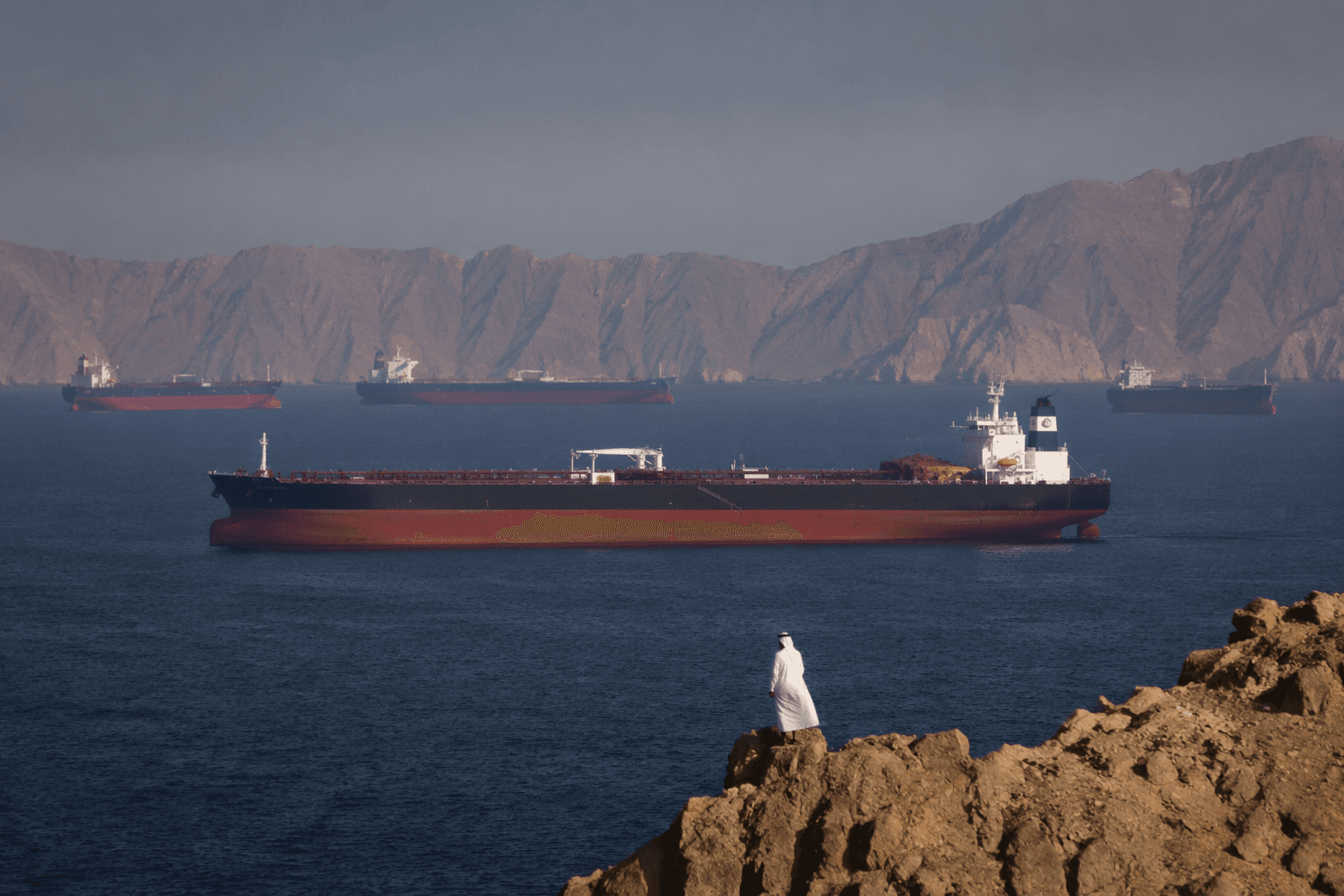
The U.S. Energy Information Administration says the Strait of Hormuz carried an average of 20 million barrels a day of crude oil and oil products in 2025, and that about one-fifth of global LNG trade also moved through the passage in 2024. The agency said flows through the strait in 2024 and the first quarter of 2025 accounted for more than one-quarter of total global seaborne oil trade and about one-fifth of global oil and petroleum product consumption. With that much energy at stake, even a partial restart is enough to move markets, but not enough to restore normality overnight.
There is precedent for severe disruption, not for a fast return. The 1980s Tanker War saw attacks on merchant vessels in and near the strait during the Iran-Iraq War, and analysts said there is no precedent for restarting Hormuz after a disruption of this kind. Reuters reported that three Saudi-flagged supertankers carrying about 6 million barrels of crude passed through hours after the agreement was signed, an early sign of recovery that still leaves the commercial system in a wait-and-see mode.
This article was produced by Prism’s automated news system from verified source data, official records, and press releases, then run through automated quality and moderation checks before publishing. The system is built and supervised by the people who set the standards it runs under. Read our full AI policy.
Know something we missed? Have a correction or additional information?
Submit a Tip