Strait of Hormuz traffic nearly frozen as U.S.-Iran talks stall
Traffic through Hormuz fell to almost nothing as crude and LNG flows collapsed, threatening higher fuel costs and a wider inflation shock.
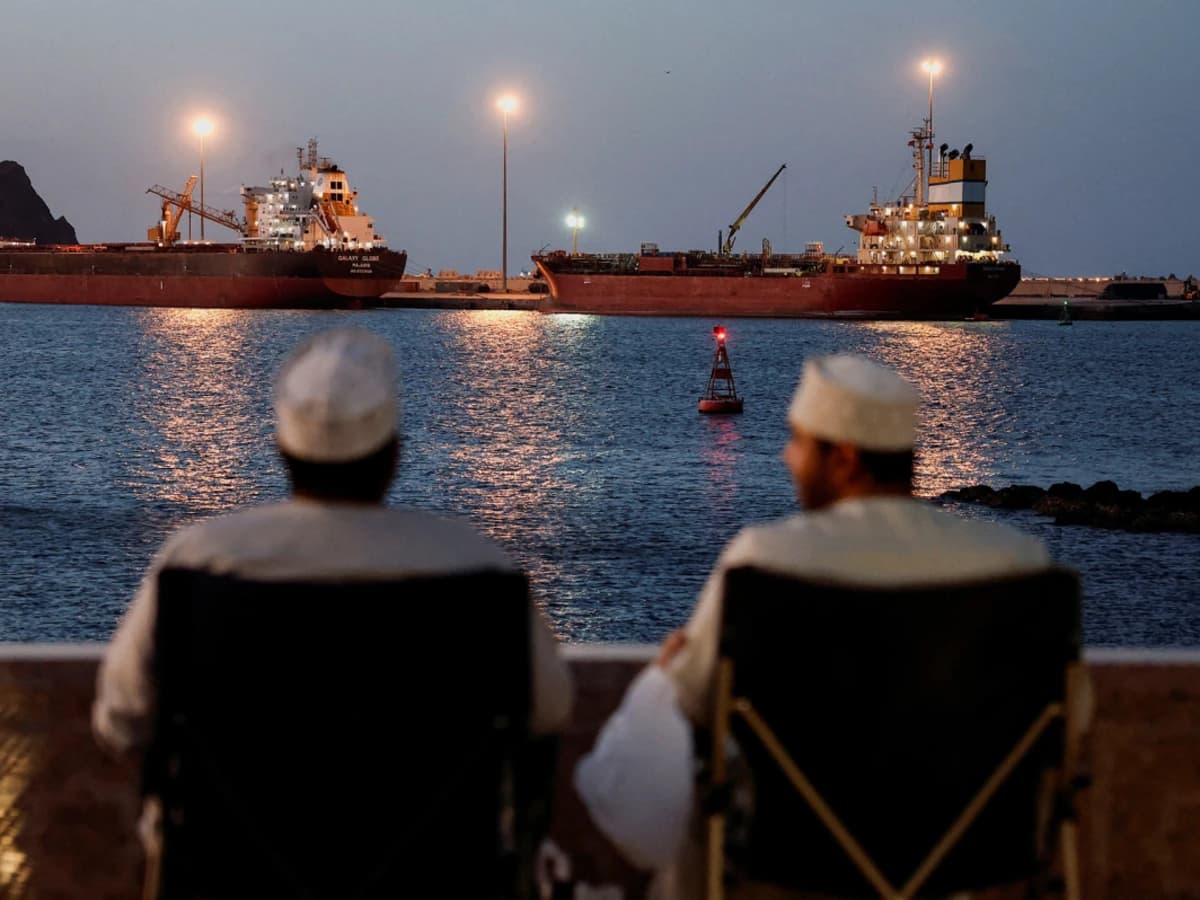
Tankers were barely moving through the Strait of Hormuz on June 5, and that freeze is already carrying consequences far beyond the Persian Gulf. With no commercial transits seen that morning and only three passages in each direction the day before, the narrow waterway that carries about one-fifth of global oil and LNG flows had become a live test of how quickly geopolitical deadlock can rattle energy markets, shipping insurance and supply chains.
The immediate trigger was the stalled diplomacy between the United States and Iran. On June 2, Iran was still reviewing a proposed agreement with Washington to halt the war, but it had not been in contact with U.S. officials for several days. One day later, Israel and Lebanon agreed to implement a ceasefire, a move the Trump administration said could improve prospects for a broader deal. By June 5, however, the strait remained effectively closed to commercial shipping, and the wider political bargain still had not come together.
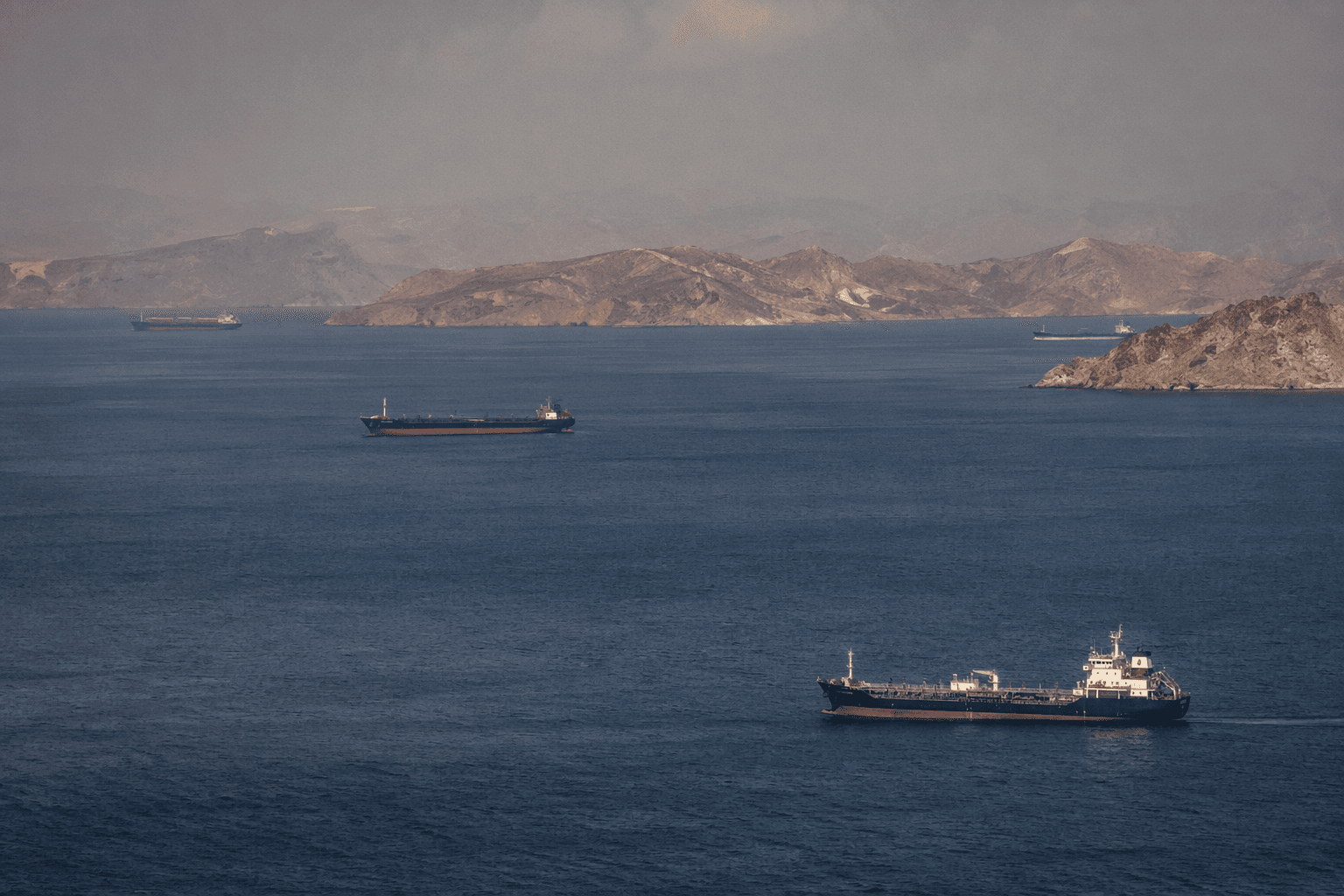
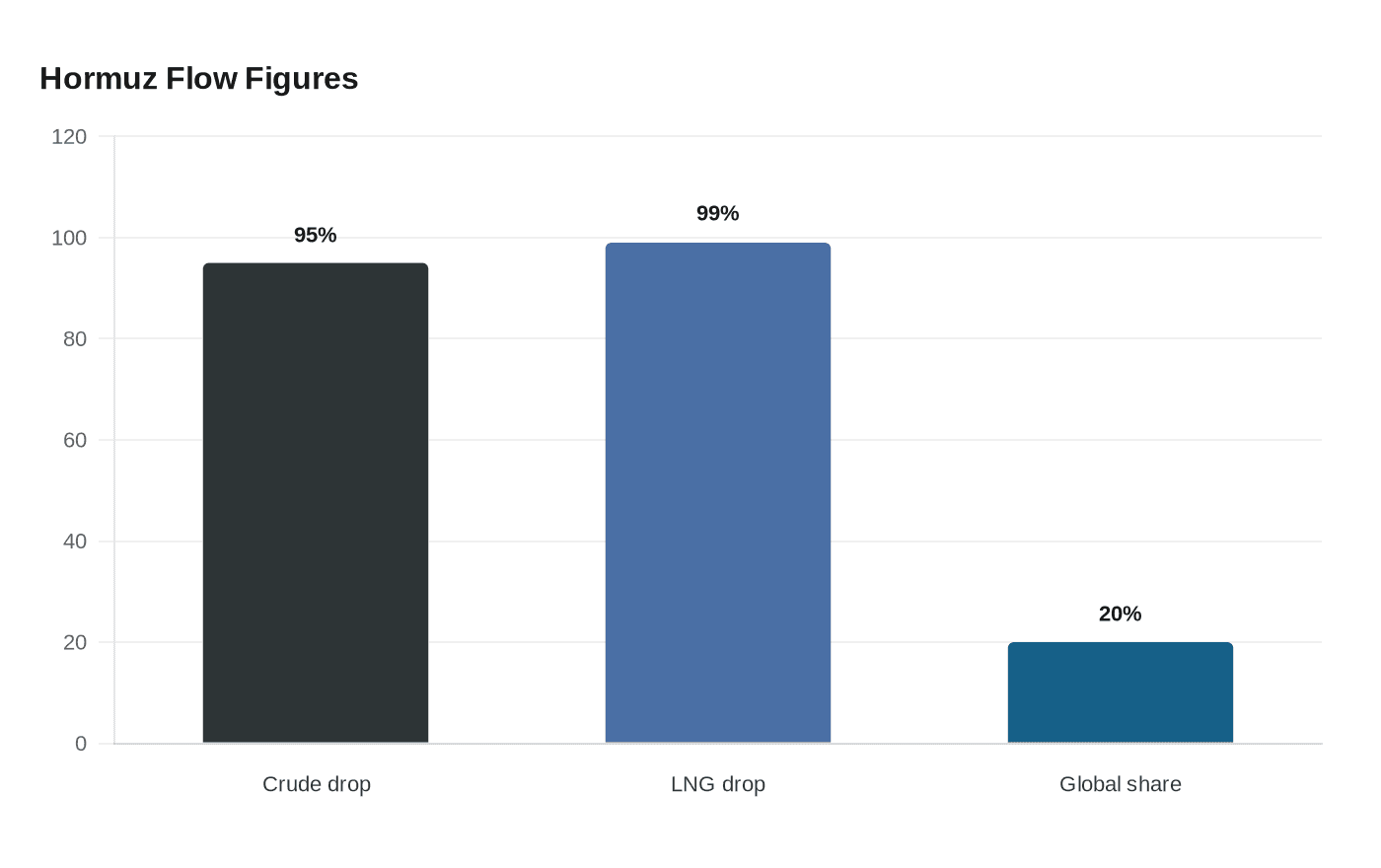
The market signal was severe. A June 2026 trade tracker said Hormuz crude flows had dropped 95% from normal levels and LNG flows had fallen 99% during the crisis period. That kind of collapse does not just delay cargoes. It forces shipowners to reroute, insurers to raise premiums, and traders to build in a larger risk penalty every time a vessel approaches the chokepoint. Even a partial, informal shutdown can work like a blockade in practice: ships hesitate, schedules break down, and the cost of moving energy rises before a single barrel reaches its destination.

For U.S. households, the pressure would not stay overseas for long if the freeze lasted. Higher crude prices would quickly feed into gasoline costs at the pump, while elevated shipping and insurance expenses would add another layer of inflation to imported goods. That matters in a country where fuel prices shape household budgets, freight costs and the broader cost of living. A prolonged disruption in Hormuz would also amplify global inflation at a moment when consumers and central banks are still sensitive to energy shocks.
The standoff has also given Iran and other regional actors added leverage in talks that remain far apart. When traffic through one of the world’s most important energy corridors drops to near zero, the message to diplomats is blunt: military risk and commercial pressure are now part of the same negotiation. The Strait of Hormuz has become more than a shipping lane. It is a bargaining chip, and markets are treating it that way.
This article was produced by Prism’s automated news system from verified source data, official records, and press releases, then run through automated quality and moderation checks before publishing. The system is built and supervised by the people who set the standards it runs under. Read our full AI policy.
Did this article answer your question?