Straus Family Creamery recalls ice cream over possible metal contamination
Straus Family Creamery pulled select ice cream pints and quarts in 17 states after possible metal fragments were found, and shoppers are told to discard them.
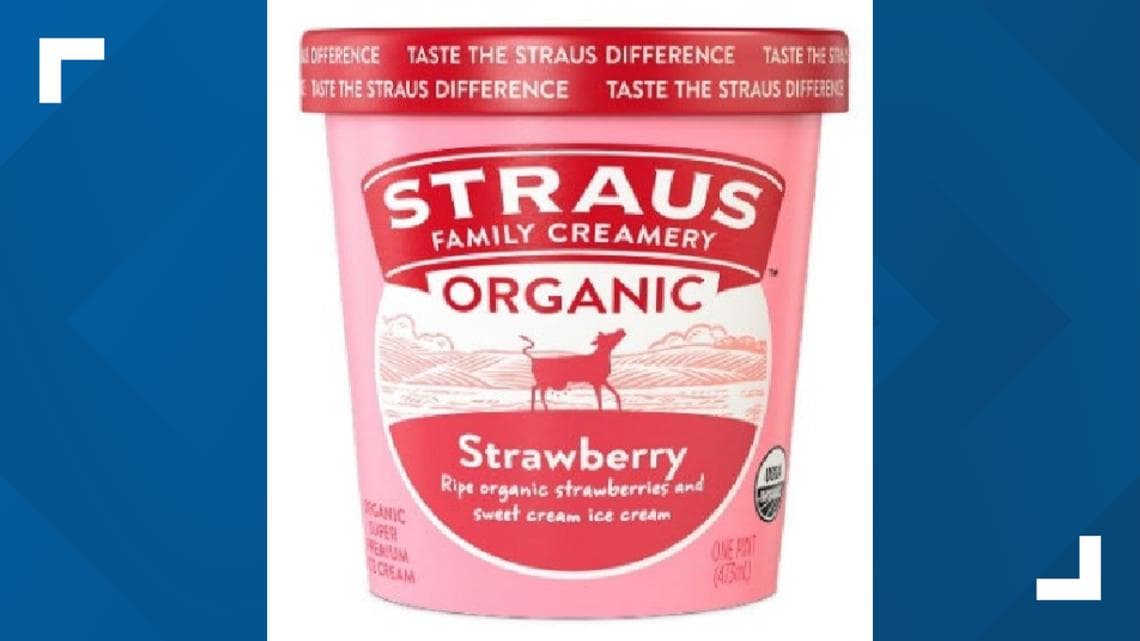
Straus Family Creamery has recalled select Organic Super Premium Ice Cream products after the company identified the potential presence of metal foreign material in certain pints and quarts sold in 17 states. Shoppers should check the best-by date printed on the bottom of the paper cup, then throw away any affected vanilla bean, strawberry, cookie dough, Dutch chocolate or mint chip ice cream and not return it to stores.
The voluntary recall covered products distributed to retailers in Arizona, California, Colorado, Connecticut, Florida, Georgia, Iowa, Illinois, Indiana, Maryland, New Jersey, Oregon, Pennsylvania, South Carolina, Texas, Washington and Wisconsin. The affected products were on shelves beginning May 4, 2026, and the best-by dates linked to the recall run from Dec. 23, 2026 through Dec. 30, 2026, depending on the flavor and size.
No injuries have been reported. Straus Family Creamery, based in Petaluma, California, said it informed the Food and Drug Administration and is working with retailers to remove the potentially affected products from shelves. The recall was announced by the company on May 14, 2026, and posted by the FDA on May 15.
The recalled ice cream came in paper cups with a seal and lid, making the best-by date on the package bottom the key identifier for consumers. People who bought an affected product can seek a replacement voucher through the company’s recall website, and the company also provided customer support at 1-707-776-2887 and support@strausmilk.com.

Foreign-object contamination recalls can start anywhere in the chain, from processing equipment to packaging lines, and even a small metal fragment can create a serious hazard if it reaches a consumer. Recalls like this matter because the absence of reported injuries does not mean the risk is small; it often means a company moved quickly enough to keep a manufacturing problem from becoming a public health injury. Straus said food safety and product quality remain top priorities and that it initiated the recall out of an abundance of caution while implementing corrective actions.
This article was produced by Prism’s automated news system from verified source data, official records, and press releases, then run through automated quality and moderation checks before publishing. The system is built and supervised by the people who set the standards it runs under. Read our full AI policy.
Did this article answer your question?