Streaming Giants Eye Micro-Drama as Shorts Battle Heats Up
Netflix's share of the premium streaming market has slipped from 19% to 15% between mid-2023 and mid-2025, and executives are watching a short-form insurgency that could reshape programming and business models. As YouTube Shorts gains traction and legacy attempts like Quibi are re-evaluated, Netflix and Disney+ are considering micro-drama as a strategic response to shifting attention patterns and monetization pressures.
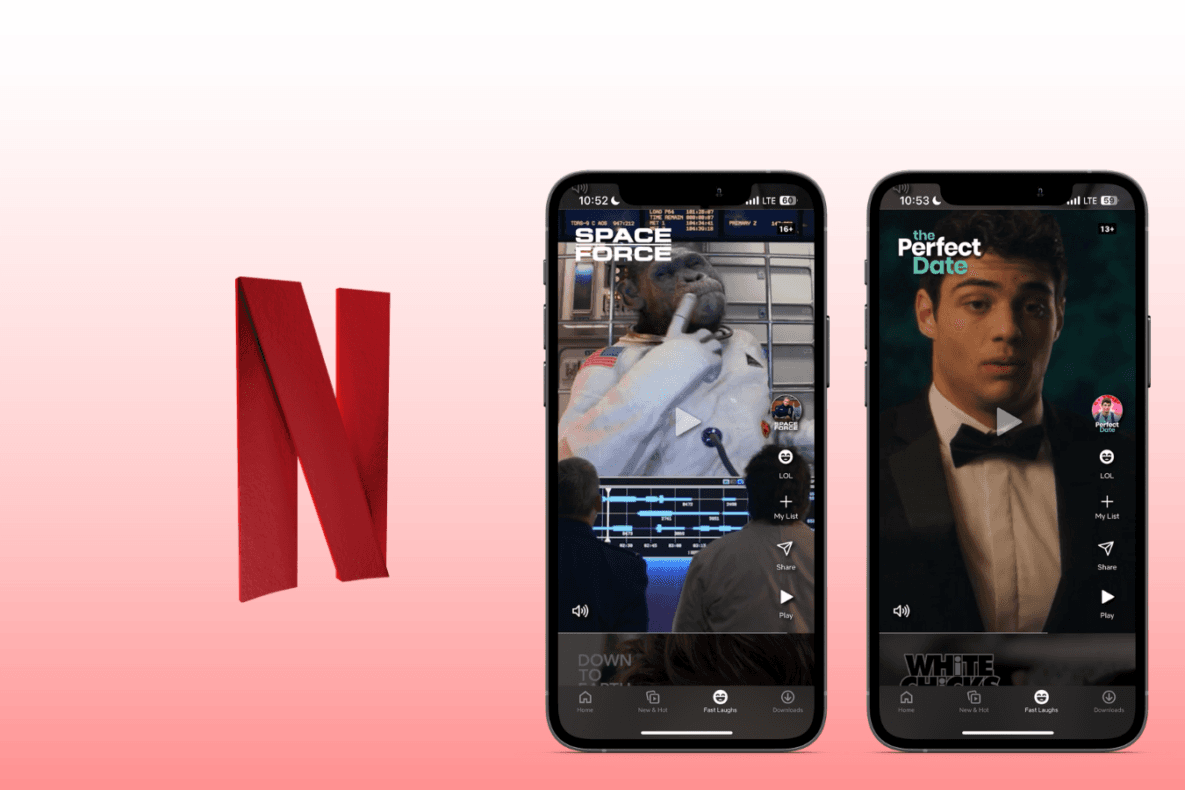
Netflix’s status as streaming royalty remains intact, but the trajectory of its market share, down to 15% in the second quarter of 2025 from 19% in the same period of 2023, according to Nielsen, is forcing a strategic rethink across the premium streaming landscape. Industry leaders are confronting a reality where short-form video platforms, led by YouTube’s Shorts product, are eating into viewing time and driving new expectations for how stories are packaged and consumed.
The rise of Shorts highlights a broader shift in audience behavior. Quick, algorithmically curated bursts of content have proven adept at capturing viewers during small windows of idle time, a pattern media executives and analysts now see as an opportunity rather than solely a threat. Traditional streamers that built their businesses on long-form, series-driven engagement are exploring whether serialized storytelling can be reimagined into micro-drama: scripted episodes designed for consumption in short, modular bites.
That pivot would marry narrative craft with the attention economy. Short-form scripted pieces promise lower per-episode production costs, faster creative iteration and hooks that can be optimized for retention across platforms. They also dovetail with ad-supported tiers, an increasingly important lever for Netflix and Disney+ as they seek to diversify revenue beyond subscriptions and reduce churn by creating more entry points for casual viewers.
There is historical precedent for the concept. Quibi, the high-profile startup launched for mobile-first, minute-long storytelling, designed its service for “those waiting at a doctor’s appointment or waiting on a line,” and while it ultimately failed in execution and timing, its premise highlighted a latent demand for compact narrative experiences. The lessons from Quibi, distribution, platform integration, and the need for immediate discoverability, are guiding conversations at larger streamers that now have distribution scale and deeper pockets to experiment.
Analysts see the move as logical. A Bernstein Research media analyst believes that short-form scripted content is a natural direction for Netflix in particular, allowing the company to leverage its global reach and data insights to test formats that could boost daily engagement without cannibalizing existing long-form hits. For Disney+, the calculus includes protecting family viewing windows and expanding IP use-cases; short-form adaptations of established characters or serialized shorts could extend franchises and feed merchandising and theme-park interest.
The cultural implications are significant. Micro-dramas could democratize storytelling rhythms, enabling diverse voices and international formats to gain exposure in digestible doses. Yet there are risks: accelerated production cycles may exacerbate labor pressures on writers and performers, and the normalization of snackable storytelling could further fragment public attention, changing how shared cultural moments form.
Ultimately, the push toward short-form scripted video is less a repudiation of long-form storytelling than an acknowledgement of a fragmented media diet. For Netflix and Disney+, the challenge will be to integrate short and long formats in ways that preserve creative depth while meeting modern viewing habits. The companies that read the room correctly, marrying craft with platform mechanics and sustainable business models, stand to redefine what streaming means in the next era.
Know something we missed? Have a correction or additional information?
Submit a Tip