Streeting resigns as health secretary amid Labour leadership speculation
Streeting quit as health secretary, warning Starmer will not lead Labour into the next election. His exit puts NHS reforms and waiting-list pledges into limbo.
Wes Streeting's resignation as health secretary has put Labour's NHS agenda and Keir Starmer's grip on the party under immediate strain. In his resignation letter on 14 May 2026, Streeting said it was clear Starmer would not lead Labour into the next general election, turning a cabinet departure into a leadership challenge.
Streeting had held the Department of Health and Social Care since 5 July 2024, so his exit came less than two years into Labour's time in office. He had become the public face of the government's health push, including the Tobacco and Vapes Bill, which became law on 29 April 2026, as well as new pledges on cancer and mental health.
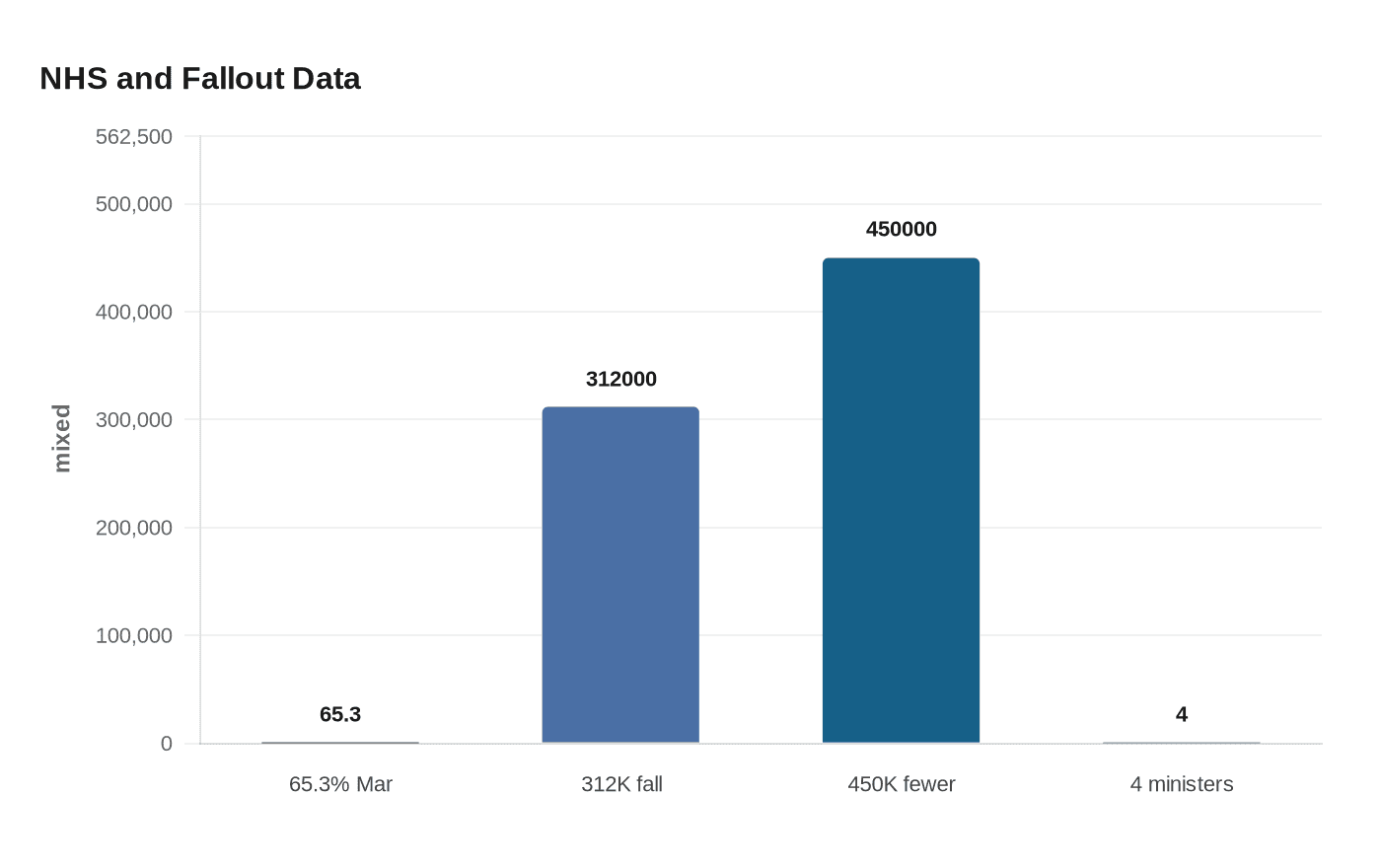
The timing matters because the NHS had just begun to show signs of improvement. NHS England said on 14 May 2026 that 65.3% of patients in March were waiting 18 weeks, and the waiting list had fallen by more than 312,000 over the previous year. It also said nearly 450,000 fewer people were waiting over 18 weeks than in July 2024. But the British Medical Association has continued to warn about backlogs and workforce pressure, leaving the recovery fragile and politically exposed.
Inside Labour, the fallout reaches far beyond the health brief. The party's heavy losses in the local and devolved elections on 8 May 2026 had already intensified pressure on Starmer, and reports on 14 May said four junior ministers had resigned and dozens of Labour MPs were urging him to step aside. Streeting had long been viewed as one of Labour's strongest communicators and a plausible future leader, so his decision gives fresh weight to the argument that the party faces a deeper problem than a single resignation.
Over the next 30 days, the government will have to keep NHS spending choices, waiting-list promises and the rollout of the new tobacco legislation moving without the minister who had been selling those reforms to the public. If Streeting's departure opens a real leadership fault line, it is because one of Labour's most visible modernisers chose this moment, when the numbers were improving but the politics were turning sharply against Starmer.
This article was produced by Prism’s automated news system from verified source data, official records, and press releases, then run through automated quality and moderation checks before publishing. The system is built and supervised by the people who set the standards it runs under. Read our full AI policy.
Did this article answer your question?

