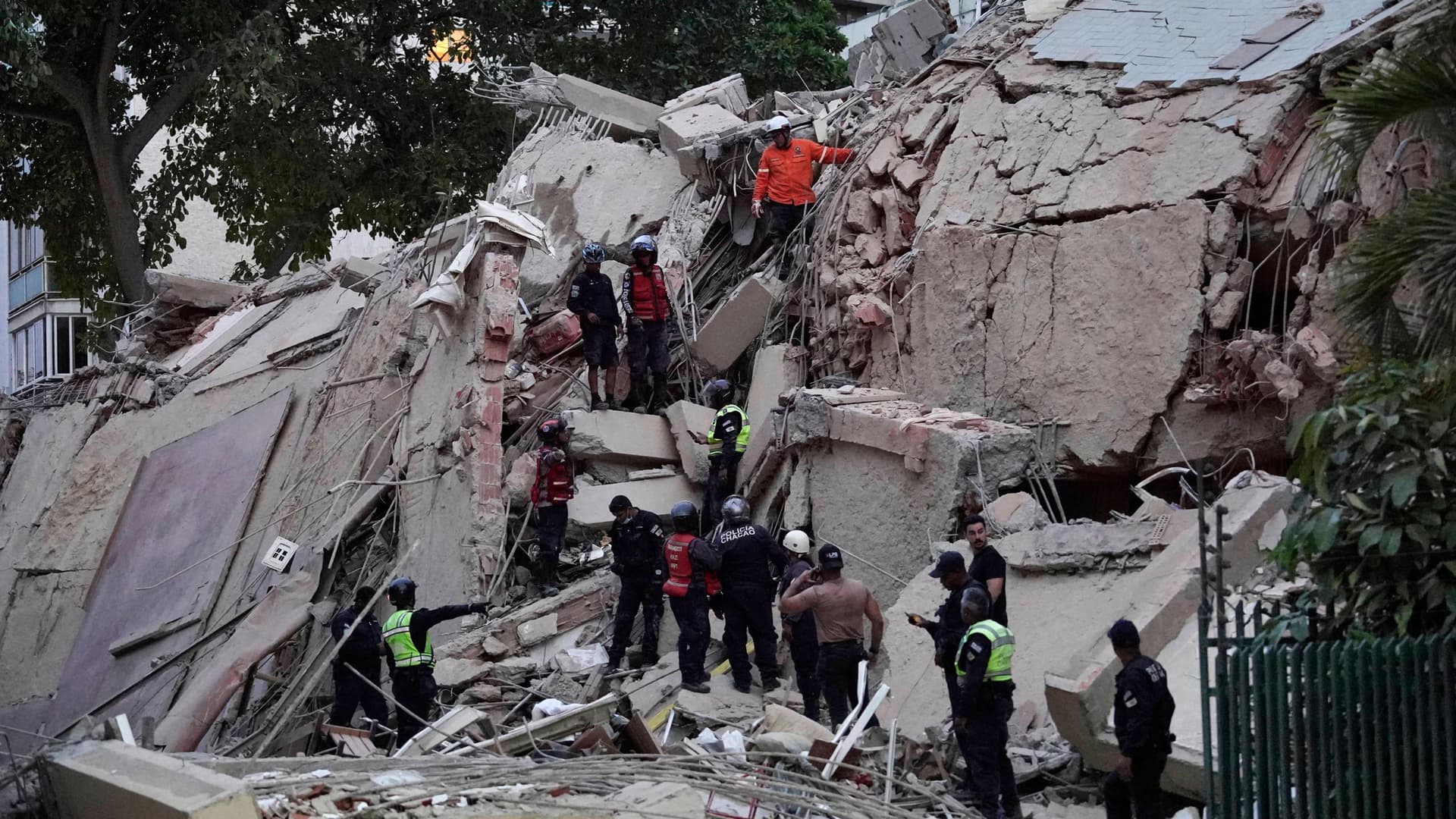
Strong earthquakes rock Venezuela, buildings collapse and evacuations begin in Caracas
Back-to-back quakes rocked northern Venezuela, forcing evacuations in Caracas as officials assessed collapsed buildings and a fresh aftershock threat.
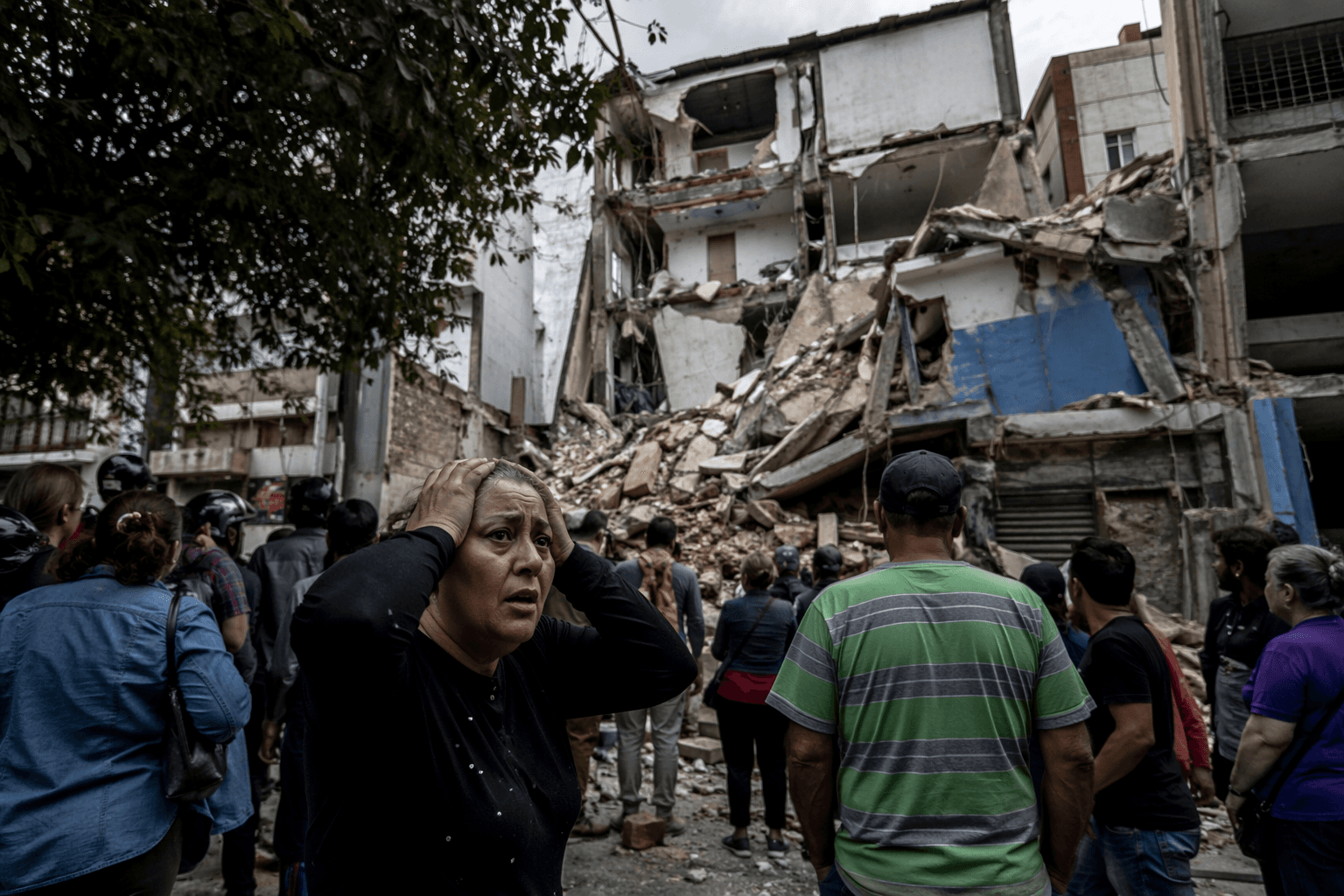
Back-to-back earthquakes shook northern Venezuela and forced evacuations in Caracas as buildings collapsed and rescue crews moved into damaged areas. The strongest shock measured magnitude 7.0, and residents in the capital rushed into the streets as the shaking hit.
The U.S. Geological Survey said the quake was centered in northern Venezuela near Mene Grande. That region sits along the southern Caribbean plate boundary, which crosses Trinidad and western Venezuela and moves at about 20 mm a year, a pace that helps explain why the country faces repeated seismic risk.
The latest quake sequence landed hard on Caracas, where AP reported that people evacuated buildings as the tremors spread through the city. Reports from the scene described collapse in parts of the capital, while emergency teams began checking structures, roads and services across the affected area.
The danger is heightened by the likelihood of secondary shaking after a major event. The U.S. Geological Survey maintains aftershock forecast tools for significant earthquakes, reflecting the risk that more jolts can follow a large rupture and complicate rescue work, transport and building safety in the hours and days after the first shock.
The new quakes came after a magnitude 7.3 earthquake in August, the strongest to hit Venezuela in more than a century. That earlier event rattled residents across the country and was felt in neighboring Colombia and Guyana, underscoring how far the seismic threat can spread beyond the immediate epicenter.
For Venezuela, the immediate focus now is on the capital’s damaged buildings, emergency response and the risk of another tremor along a fault system that has already produced one of the country’s strongest quakes in generations.
This article was produced by Prism’s automated news system from verified source data, official records, and press releases, then run through automated quality and moderation checks before publishing. The system is built and supervised by the people who set the standards it runs under. Read our full AI policy.
Know something we missed? Have a correction or additional information?
Submit a Tip